How the Iran War Shapes the 2026 Midterm Election Outcome
Voters are weighing the cost of the conflict against economic concerns as they decide which party controls Congress for President Trump's final two years.
By Harper Foster ·
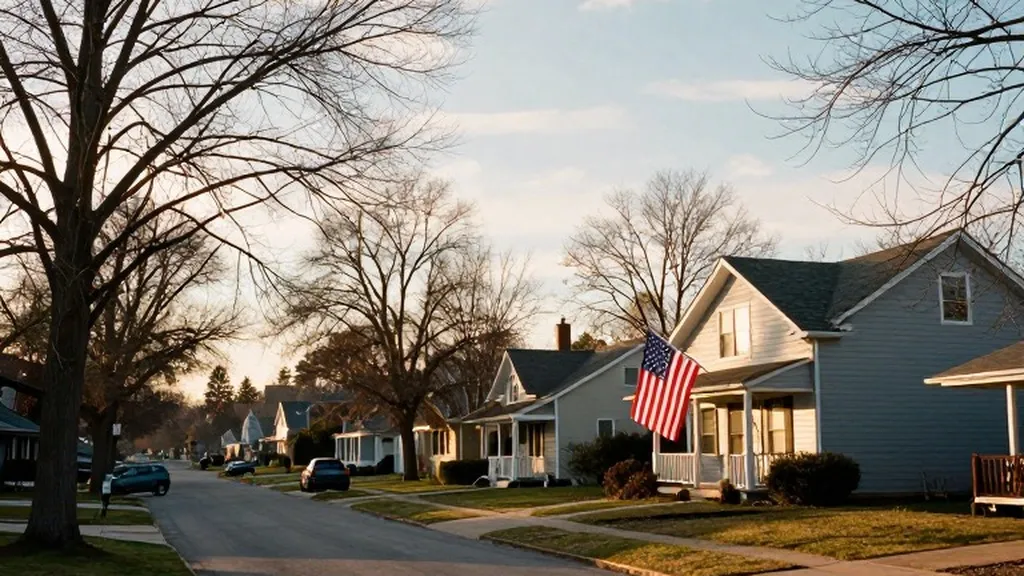
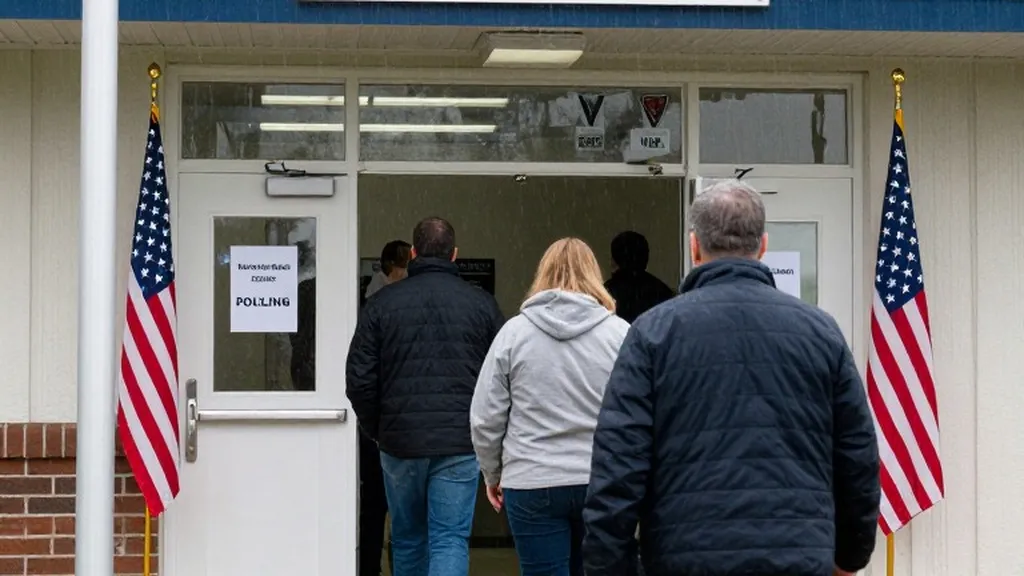
As polling stations open across the country on Tuesday, November 3, 2026, the war with Iran has emerged as a central factor in the midterm election. The Associated Press describes the contest as a referendum on President Donald Trump's second term, noting that many Americans are struggling with high prices and are angry over the unpopular conflict. While the economy remains a primary concern for a majority of voters, the diplomatic and military tensions with Iran have added a layer of urgency to the decision-making process for both Democrats and Republicans.
The stakes of this election are high, as the results will determine which party controls Congress during the final two years of the Trump administration. All 435 seats in the U.S. House are up for election, with Republicans currently holding 218 seats and Democrats holding 214. Democrats need a net gain of three districts to secure a majority, while Republicans can afford to lose no more than two. In the Senate, 35 seats are on the ballot, and Democrats need a net gain of four seats to take control of the chamber. Republicans hold 53 seats, but the competitive nature of the battlegrounds means that small shifts in voter preference could change the balance of power.
The Associated Press reports that about 7 in 10 U.S. adults believe the country is heading in the wrong direction, and most blame President Trump for high prices. This sentiment is driving voter turnout, with more than 57 million people having already cast their ballots as of Monday. This figure surpasses the early vote totals from four years ago in many closely watched states. The high level of early voting suggests that the final tally will depend heavily on how voters in key districts respond to the combined pressures of inflation and foreign policy.
Republicans are bracing for the possibility of losing control of the House, a common trend in midterm elections when the president's party faces scrutiny. However, they are fighting to hold the Senate, where one or two seats could tip the balance. RNC Chairman Joe Gruters stated that everything depends on turnout, emphasizing that if the party can mobilize its base, they can win. In contrast, Democrats are cautiously optimistic, with DCCC Chair Rep. Suzan DelBene saying that the American people are angry and want change. Both parties are focusing their resources on battleground districts where the Iran conflict and economic anxieties are most pronounced.
The war with Iran has complicated the messaging for both parties. Democrats are using the conflict to highlight the administration's foreign policy decisions, while Republicans are working to defend the president's approach while also appealing to voters concerned about the cost of living. The Associated Press notes that the administration has continued to make claims about voting fraud, including that noncitizens vote in large numbers, which has raised concerns among Democrats about potential interference. This has led to legal challenges, such as the administration's lawsuit in Alaska related to the certification of the Senate result.
In the Senate, thirteen races are considered battlegrounds, with several states having voted for President Trump in the 2024 presidential election. States like Georgia, Michigan, and Alaska are particularly competitive, with race ratings varying from toss-up to lean depending on the polling source. The Associated Press highlights that economic strain and tariffs have made states like Maine competitive, where Senate race is seen as a key indicator of how voters are responding to the administration's policies. The outcome in these states could determine whether Democrats gain the four seats they need for a majority.
Governor races are also a critical component of the election, with 36 governorships on the ballot. Democrats are hoping to hold a majority of governorships for the first time in two decades, which would require a net gain of two offices. Republicans currently hold 26 governor's offices, while Democrats hold 24. The Associated Press identifies several competitive governor races, including in Texas, Florida, and Iowa. These races are important because they can influence the legislative agenda in states that are key to the national political landscape.
The financial aspects of the election are also notable, as the 2026 elections are likely to be the most expensive in history. Republican committees have outraised and outspent Democratic committees, aided by Trump-affiliated groups and Elon Musk. However, at the candidate level, Democrats have outraised their opponents. The Associated Press analysis of advertising data shows that 88.1% of Republican general election TV ad spending went to states and districts that Trump won in 2024. This strategy reflects the party's focus on defending its base in areas where the president has strong support.
Voters are also weighing the long-term implications of the election for potential 2028 candidates. A strong Democratic night would boost the profiles of figures like Gavin Newsom, JB Pritzker, and Pete Buttigieg, while a Republican victory could complicate the path for Vice President JD Vance. The election is not just about the immediate control of Congress but also about setting the stage for the next presidential cycle. Both parties are aware that the outcome of this midterm will shape the political dynamics for the coming years.
Polling stations will remain open until 7:00 p.m. in most states, with some extending to 8:00 p.m. or 9:00 p.m. depending on local regulations. The U.S. Postal Service has added hours and staff to ensure that mail ballots are counted on time, addressing concerns about delays in processing. As voters cast their ballots, they are making decisions that will determine the direction of the country for the next two years, balancing their views on the war with Iran, the economy, and the leadership of the current administration.