Courts and ballots: The legal battles shaping the post-election era
With the 2026 midterms concluded, federal courts are deciding the fate of noncitizen voting rules and postal ballot protocols in key states.
By Harper Foster ·
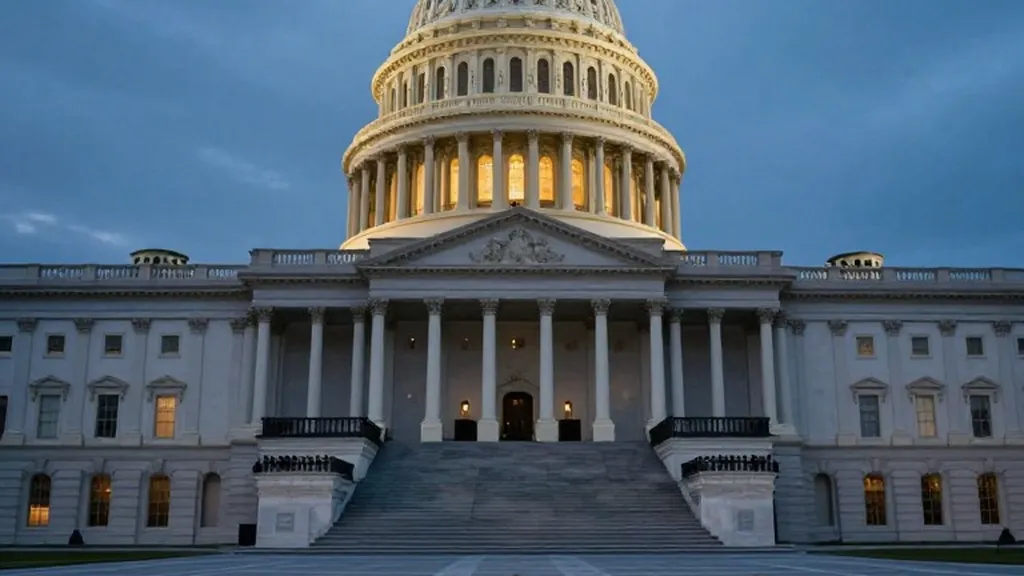
The 2026 midterm election results have delivered a decisive shift in power to the Democratic Party, with the group securing majorities in both the U.S. House and Senate. According to Ballotpedia, Democrats picked up at least 43 House seats and seven Senate seats, all of which were previously held by Republicans. This outcome places the election in the top 20 percent of election years in terms of seat swings against a president's party, a threshold often defined as a wave election. As the new Congress prepares to convene, the focus is turning to the legal frameworks that governed the election, particularly regarding who is eligible to vote and how ballots are processed.
A central issue in the post-election legal landscape is the ruling on noncitizen voting. For years, the debate over proof of citizenship requirements has been a point of contention between the two parties. Senate Republican Leader John Thune, who was reelected to his position despite the party's losses, had previously refused to change Senate rules to pass voting legislation requiring proof of citizenship for all voters. This stance frustrated President Donald Trump and a significant portion of his political base. With Republicans now in the minority, the pressure to enforce stricter identification and citizenship rules may shift to the state level and the courts, where several lawsuits are currently pending.
In California, the implementation of new ballot orders and voting rules has drawn legal scrutiny. The state is one of several where the mechanics of the election are being reviewed by federal judges. The Postal Service has introduced specific measures to handle the surge in mail-in ballots, a process that was heavily relied upon during the 2026 cycle. These measures are now the subject of litigation, with both parties arguing over the efficiency and security of the mail system's role in federal elections. The outcome of these cases will likely set precedents for future elections as the country grapples with the logistics of high-volume mail-in voting.
Alaska has also become a focal point for legal challenges regarding voting rules. The state's two remaining uncalled Senate races, one of which could further deplete the Republican numbers, have heightened the stakes for any judicial intervention. Senators from the state have expressed frustration with the pace of the counting and the application of state-specific voting laws. The legal battles in Alaska and California are not just about the current results but about establishing the procedural norms for the next decade of federal elections.
The re-election of John Thune as Senate Republican Leader was expected, given his popularity with his colleagues and the lack of a serious alternative candidate. However, the process was tense, with some Republicans, including Missouri Senator Josh Hawley, arguing that the party needed to delay the leadership election to engage in deeper soul-searching. Hawley noted that losing at least seven Senate seats should prompt a significant change in course. This internal debate mirrors the external legal battles, as both focus on how the party can effectively navigate a period of reduced power.
On the House side, Ohio Representative Jim Jordan defeated Louisiana Representative Steve Scalise to become the House Republican leader. Jordan, a co-founder of the House Freedom Caucus, won the vote 106 to 73. His election signals a shift toward a more combative minority strategy, with Jordan emphasizing his experience in committee oversight. He stated that the job is not merely to spotlight the new Democratic majority but to be offensive, a stance that aligns with the legal arguments being made about the integrity of the election process.
The Democratic sweep in the Senate included victories in traditionally Republican states such as Texas, Kansas, and South Carolina. This geographic expansion of the party's power base has implications for the types of voting rules that may be challenged or upheld in federal court. The new majority will likely look to codify the voting procedures that were used in the 2026 election, potentially including the Postal Service measures that were deemed sufficient to handle the volume of mail-in ballots. This could lead to further legal clashes with states that have implemented stricter identification requirements.
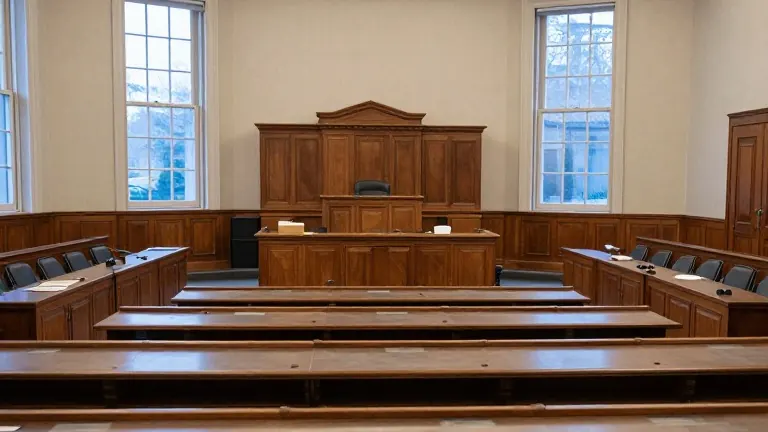
The legal challenges in California and Alaska highlight the growing role of the judiciary in defining the parameters of American elections. As the new Congress begins its work, these cases will be watched closely by both parties and the public. The outcomes will not only affect the validity of the 2026 results but will also shape the landscape for the 2028 presidential election. With the focus on getting things done, as Schumer suggested, the legal framework for voting will be a key area of legislative and judicial activity in the coming months.
The re-election of Thune and the leadership change in the House mark the end of a turbulent period for the Republican Party. The party now faces the task of rebuilding its majority in the 2028 elections, a goal that will require a clear strategy on voting rules and election administration. The legal battles in California and Alaska, along with the ruling on noncitizen voting, will be central to this strategy. As the new Congress takes shape, the interplay between the legislative, executive, and judicial branches will determine the future of voting in the United States.