Your Election Day Survival Guide: Poll Hours, ID Laws, and Mail Ballot Deadlines
With millions already casting ballots, voters need a clear roadmap to navigate state-specific poll hours, identification requirements, and the critical role of the Postal Service in counting mail votes.
By Harper Foster ·
Voters across the United States are heading to polling places or tracking their mail ballots on this Election Day, a midterm contest that will determine which party controls Congress for the final two years of President Donald Trump's term. The stakes are high as all 435 House seats and 35 Senate seats are up for grabs, alongside 36 governorships. While early voting has already surpassed records from four years ago, with more than 57 million people having cast their ballots by Monday, many still need practical information on how to complete their civic duty today. The Associated Press describes the day as a referendum on the president's second term, with many voters citing high prices and an unpopular war with Iran as primary concerns.
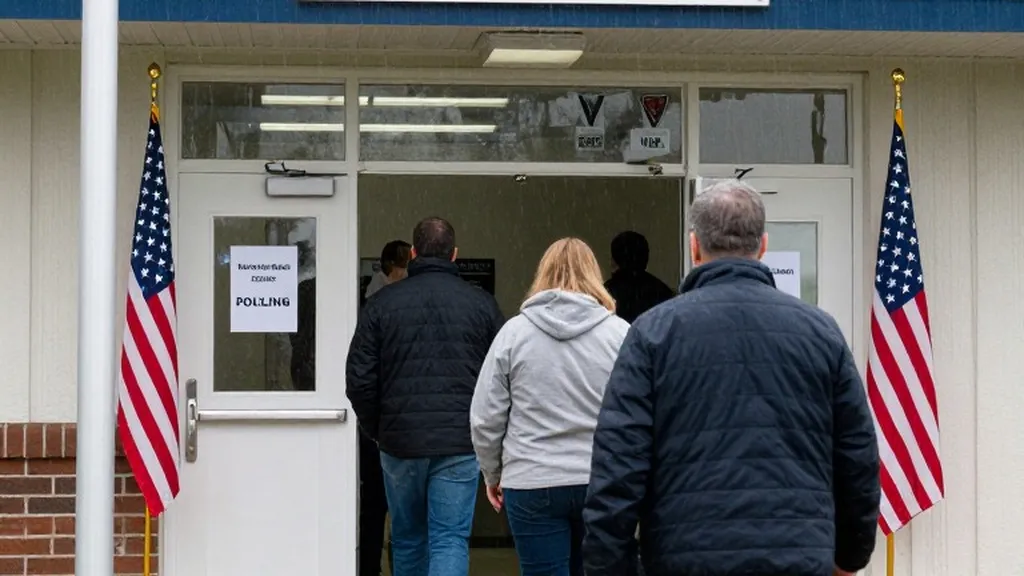
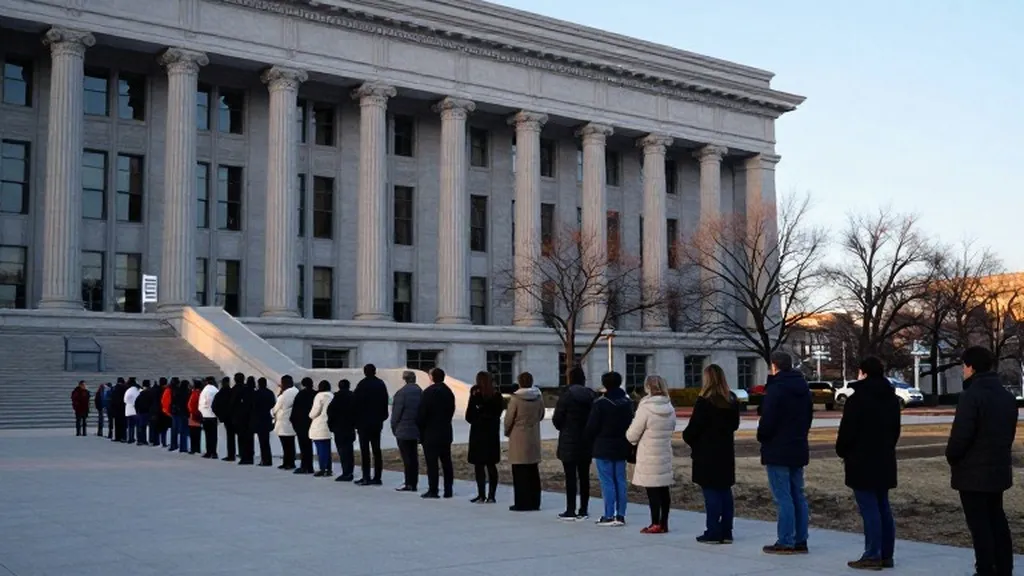
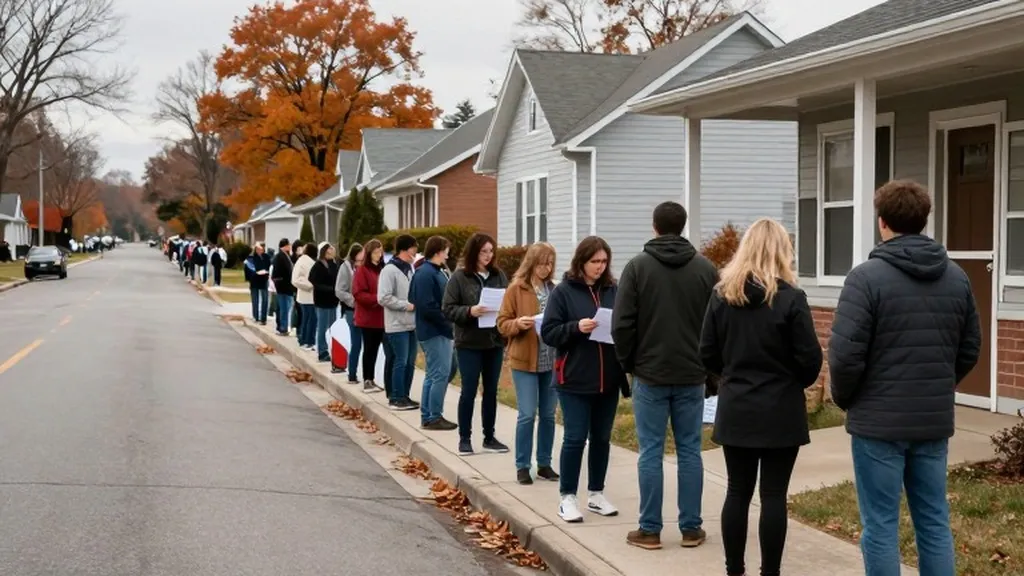
The first step for any voter is to confirm their specific polling location, a task easily accomplished through the federal website vote.gov or by contacting their state election office. It is crucial to arrive early, as lines can form quickly in busy precincts. According to Ballotpedia, anyone who is in line when the polls officially close is legally entitled to cast their vote, a rule that protects voters who arrive near the end of the voting window. This provision is particularly important in states with long closing times, where the final hours often see a surge of activity. Knowing the exact time your precinct shuts down prevents the frustration of arriving after the cutoff.
Poll hours vary significantly by state, so voters must check local times to ensure they are within the legal voting window. For example, Alabama polls open at 7 a.m. and close at 7 p.m., while California operates from 7 a.m. to 8 p.m. and relies heavily on mail voting. In New York, voters have a longer window, with polls open from 6 a.m. to 9 p.m., whereas Kentucky closes at 6 p.m. The state of New Hampshire varies by town, opening by 11 a.m. and closing no earlier than 7 p.m. These variations mean that a voter in one state might have three more hours than a voter in another, making local knowledge essential for planning the day.
Identification rules also differ by jurisdiction, and voters should check their state's specific requirements before leaving home. Some states require a photo ID, while others accept non-photo identification or allow voters to sign an affidavit if they lack proper documentation. Failing to bring the correct identification can lead to provisional ballots or, in some cases, the rejection of a vote if the discrepancy is not resolved. The federal government has been involved in these processes recently, with a judge on Monday temporarily barring the Trump administration from implementing a plan to prevent noncitizen voting, a move critics said could risk disenfranchising eligible voters. Additionally, a judge ordered the administration to stop demanding that California officials segregate ballots from people on suspected noncitizen lists, a decision aimed at streamlining the count.
Mail ballots are a central feature of this election, particularly in states like California, Colorado, Hawaii, Nevada, Oregon, Utah, Vermont, and Washington, where a large portion of the electorate votes by mail. The United States Postal Service has added extra hours, staff, and special lines to ensure that mail ballots are counted in a timely manner. Voters who mailed their ballots should keep track of their delivery or use tracking numbers if available, though many states do not offer tracking for standard mail. The Postal Service's expanded efforts are designed to mitigate delays that could otherwise complicate the certification process in closely watched races.
The political mood on this day is charged, with both parties bracing for a decisive outcome. Republican National Committee Chairman Joe Gruters emphasized that everything depends on turnout, stating that if they turn out their voters, they win. Conversely, Democratic Congressional Campaign Committee Chair Rep. Suzan DelBene noted that the American people are angry and want change. These sentiments reflect the broader narrative of a divided electorate, where individual voters like Mark Barker of Florida, who supports the president's job performance, and James Moore of North Carolina, who cites rising taxes and healthcare costs, represent the competing viewpoints driving this election.
Money has played a significant role in shaping the campaign, with 2026 likely to be the most expensive election in history. Republican committees outraised and outspent their Democratic counterparts at the committee level, aided by Trump-affiliated groups and Elon Musk, while Democrats outraised their opponents at the candidate level. This financial disparity is evident in advertising, with 88.1 percent of Republican general election TV ad spending directed to states and districts that Trump won in 2024. This heavy investment in Republican-leaning areas underscores the strategy to protect the Senate, where Republicans can afford to lose only two seats to maintain a majority.
The Senate races are particularly tight, with Ballotpedia identifying 13 battleground races that could decide control of the chamber. In Maine, the race between Senator Susan Collins and Democratic challenger Troy Jackson is rated a toss-up by all four major race rating groups, driven by economic strain and tariff concerns. In Georgia, the race between Jon Ossoff and Mike Collins is seen as leaning Democratic, while in Iowa, the open seat left by retiring Senator Joni Ernst is viewed as a toss-up or tilting Republican. These races are critical because Democrats need a net gain of four seats to take the Senate, a hurdle that requires winning in states that voted for Trump in the previous presidential election.