Voters Prioritize Cost of Living in 2026 Midterms
New AP-NORC data shows economic anxiety driving turnout as polls open in key swing states.
By Lorenzo Marshall ·
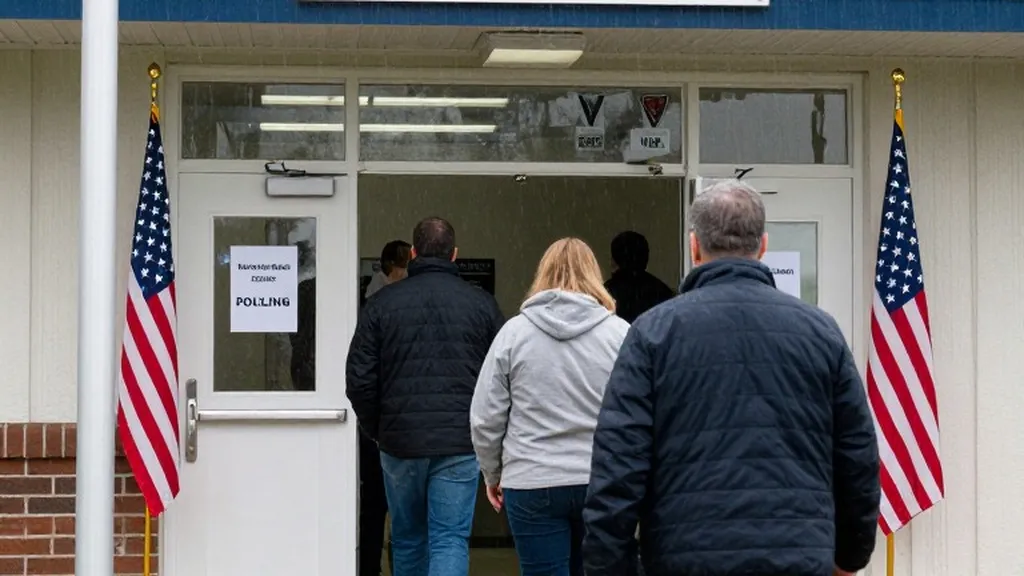
Voters across the United States are heading to the polls on Election Day with a singular focus on the state of the economy. The Associated Press describes the 2026 midterm election as a referendum on President Donald Trump's second term, noting that citizens are struggling with high prices and expressing anger over an unpopular war with Iran. This sentiment is quantified in recent AP-NORC polling, which indicates that 35% of U.S. adults approve of the president's overall job performance, while only 25% approve of his handling of the economy. Furthermore, about seven in ten adults say the country is heading in the wrong direction, with the majority blaming the president for rising costs.
The financial pressure is palpable on the ground. In Raleigh, North Carolina, James Moore, a 57-year-old librarian, expressed the frustration shared by many independent and Democratic-leaning voters. Moore stated that he is paying more taxes, more for his healthcare, and more for everything else. His comments reflect a broader trend where the cost of living has become the defining issue of the cycle. In contrast, in Palm Beach Gardens, Florida, voter Mark Barker expressed a different view, saying he has been following Trump the whole time and believes the president is doing an awesome job. These diverging perspectives highlight the polarized nature of the economic debate among the electorate.
Tariffs and inflation have reshaped the political landscape in several key states. The Associated Press notes that economic strain and tariffs have made Maine a particularly competitive Senate race. In that state, Republican Senator Susan Collins faces Democratic former state Senate President Troy Jackson. The AP reports that the state's economy has become a central focus, contributing to its status as a toss-up according to major race ratings. Similarly, in North Carolina, the open Senate seat has drawn attention, with former Governor Roy Cooper challenging former Republican National Committee chair Michael Whatley. The state's new congressional map, resulting from mid-decade redistricting, adds another layer of complexity to these local economic calculations.
The Associated Press and NORC data suggest that most voters blame the president for high prices, a factor that may influence the outcome of the House race. All 435 seats are up for grabs, with Republicans currently holding 218 and Democrats 214. Democrats need a net gain of three districts to secure a majority, while Republicans can afford to lose no more than two. Ballotpedia identifies 46 battleground districts, indicating that the fight for control of the lower chamber will be decided by a relatively small number of competitive seats. Many of these districts voted for President Trump in 2024, suggesting that economic dissatisfaction may be crossing traditional partisan lines.
Republicans are bracing for the possibility of losing the House while fighting to hold the Senate. RNC Chairman Joe Gruters emphasized the importance of turnout, stating that if the party turns out its voters, they will win. He noted that this has been the central focus of their planning. On the other side, DCCC Chair Rep. Suzan DelBene said the American people are angry and want change. The AP notes that one or two seats could tip either chamber, making the final tallies potentially very close. This uncertainty has led to cautious optimism among Democrats, who are hoping to capitalize on economic discontent to regain control of at least one chamber.
The economic narrative is also influencing the Senate races in states like Ohio and Texas. In Ohio, former Senator Sherrod Brown is challenging incumbent Republican Jon Husted in a special election. The state's economy, along with the national picture, is a key part of the campaign discourse. In Texas, the race between Republican Attorney General Ken Paxton and Democrat James Talarico is also closely watched. The AP notes that the economic backdrop, including concerns about debt ceiling negotiations and AI spending, is on Wall Street's radar as well. Reuters reports that results could add to investor concerns, linking the political outcome directly to market stability.
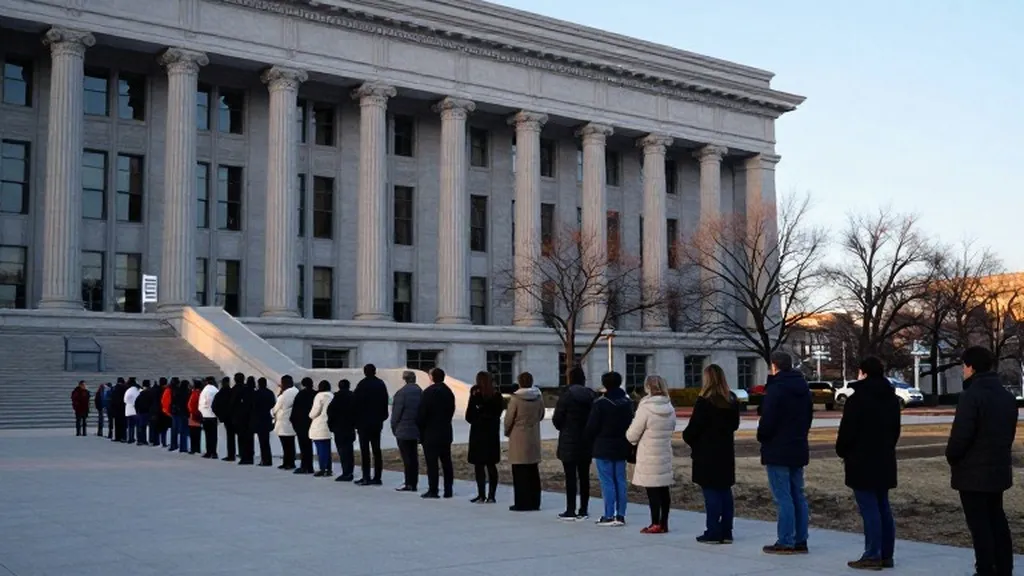
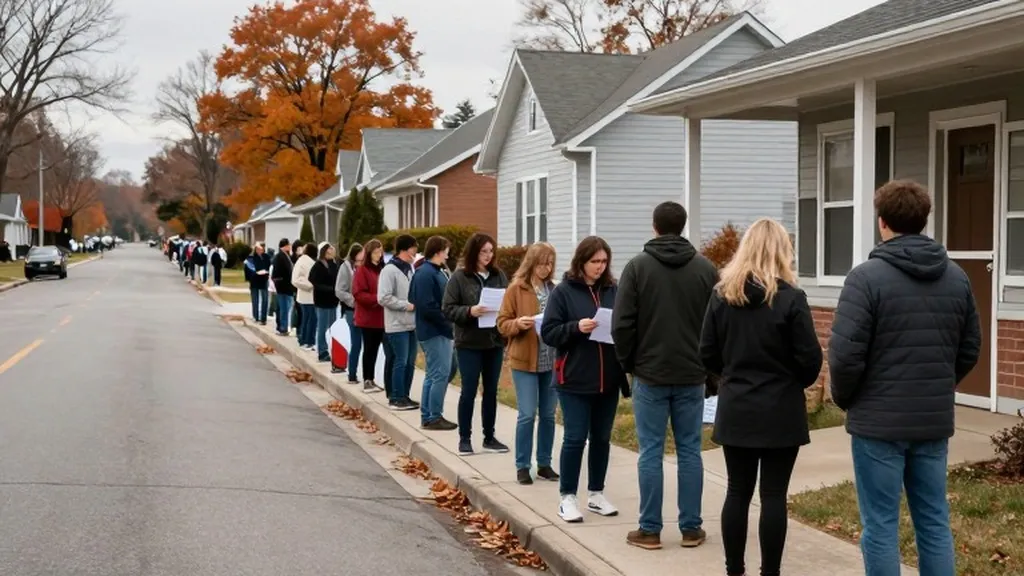
Voter turnout is a critical component of the economic referendum. More than 57 million people had already voted as of Monday, surpassing the early vote totals from four years ago in many closely watched states. This high level of early participation suggests that voters are motivated by the economic stakes of the election. The U.S. Postal Service has added hours, staff, and special lines to ensure mail ballots are counted on time, reflecting the logistical challenges of a high-turnout election. The administration's efforts to manage voter eligibility, including a federal judge's temporary bar on a plan to prevent noncitizen voting, have also added to the administrative complexity of the day.
The campaign spending reflects the importance of the economic message. The 2026 elections are likely to be the most expensive in history, with Republican committees outraising and outspending their Democratic counterparts at the committee level. However, at the candidate level, Democrats have outraised their opponents. According to an AP analysis of AdImpact data, 88.1% of Republican general election TV ad spending went to states and districts that Trump won in 2024. This strategy suggests that Republicans are focusing on defending their base, while Democrats are targeting areas where economic anxiety is highest. The financial resources allocated to these campaigns underscore the high stakes of the economic debate.
As polls close in states like North Carolina and Florida, the focus remains on how voters will translate their economic frustrations into votes. The AP-NORC numbers provide a snapshot of a nation divided on the direction of the economy, with a significant portion of the electorate feeling the pinch of rising prices. The outcome of the election will determine who controls Congress for the final two years of the president's term, with potential implications for oversight and investigations. For now, the voters are doing the deciding, weighing the cost of living against their political loyalties in a pivotal moment for the American economy.