36 Governor Races: 18 to 18 Split, 9 Battlegrounds
With 19 open seats and a tight partisan balance, voters decide which party controls statehouses as Republicans have held a majority since 2010.
By Aiko Petrov ·
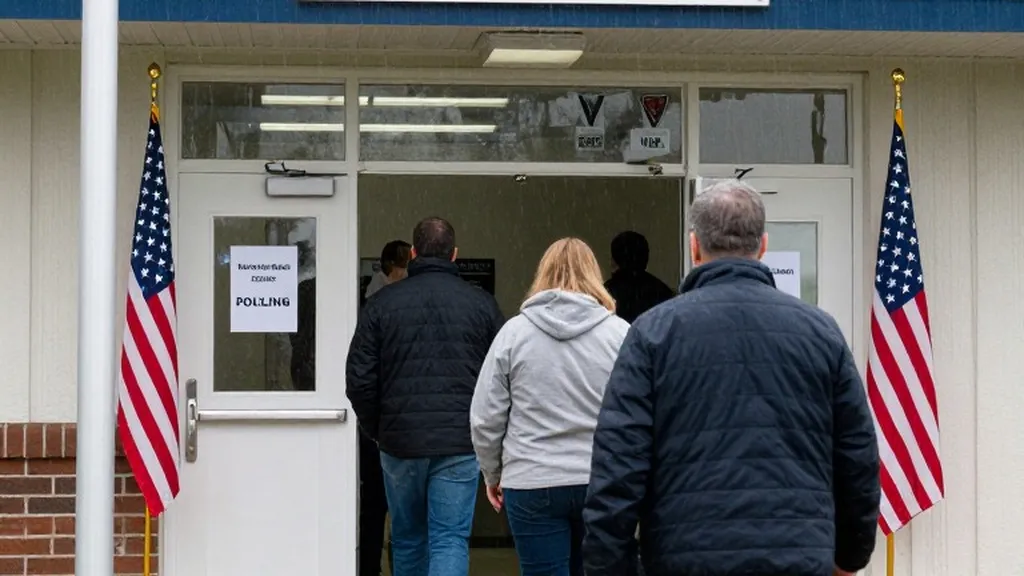
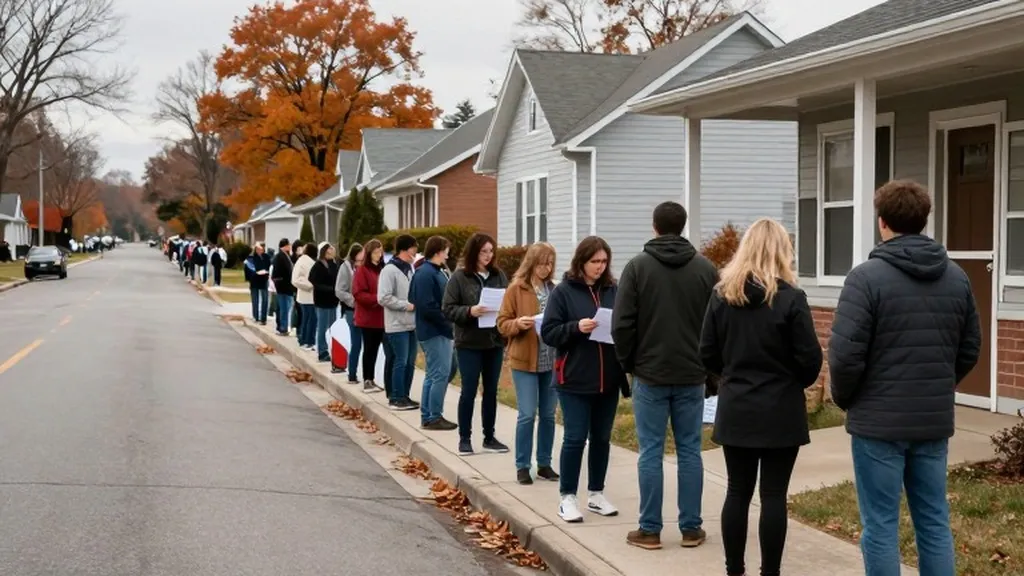
Voters across the United States are casting ballots in 36 gubernatorial races on Tuesday, a contest that has become a central pillar of the midterm elections. The Associated Press reports that the races are effectively even, with each party currently holding 18 of the 36 governorships. This balance sets the stage for a decisive day where the control of state executive branches will shift based on the outcome of a handful of competitive contests.
Ballotpedia data indicates that 19 of these 36 races are for open seats. This high number of vacancies is due to a combination of term limits and strategic decisions by sitting governors. Fifteen governors have reached the limit on the number of terms they can serve. Additionally, three governors chose not to seek reelection: Iowa's Kim Reynolds, Minnesota's Tim Walz, and Wisconsin's Tony Evers. Rhode Island's Daniel McKee also left the race after losing his primary, contributing to the number of uncontested seats by the incumbent.
The Associated Press identifies nine specific governor races as battlegrounds where the outcome remains uncertain. These states are Alaska, Arizona, Georgia, Iowa, Kansas, Michigan, Nevada, Ohio, and Wisconsin. In these contests, the margin between the leading candidates is narrow, and polling data suggests that either party could emerge victorious. The outcome in these nine states will determine whether Democrats can secure a nationwide majority in governorships for the first time since 2010.
Democrats are currently defending five of the governorships in states that voted for Donald Trump in the 2024 presidential election. These states are Arizona, Kansas, Michigan, Pennsylvania, and Wisconsin. The Associated Press notes that holding these seats would demonstrate the party's ability to win in Republican-leaning regions. Conversely, Republicans are defending two governorships in states that supported Kamala Harris in 2024: New Hampshire and Vermont. Retaining these seats would signal strength in traditionally Democratic areas.
Several high-profile matchups are drawing national attention in these governor races. In Georgia, Republican health care executive Rick Jackson is facing Democratic former Atlanta Mayor Keisha Lance Bottoms. They are running to succeed Brian Kemp. In Nevada, Republican Governor Joe Lombardo is challenging Democratic Attorney General Aaron Ford. In Ohio, Republican Vivek Ramaswamy is competing against Democrat Amy Acton. Ramaswamy's campaign recently faced public criticism over an advertisement featuring Acton's estranged mother, a detail reported by the Associated Press.
The Associated Press also highlights Texas, Florida, and Iowa as competitive governor races, although they are not always listed among the primary nine battlegrounds in every analysis. These states are crucial for the overall balance of power. A win in any of these states would significantly impact the final tally. The races in these areas are being watched closely by party strategists who view governorships as a key metric for the health of their party in the years leading up to the 2028 presidential election.
Political observers note that the 18 to 18 split makes the governor races a true test of voter sentiment. Republicans have held a majority of governorships since 2010, and Democrats are hoping to break that streak. The Associated Press describes the mood as one of cautious optimism among Democrats, while Republicans are focused on holding their current numbers. The outcome will provide a clear indication of how voters feel about the state of the nation halfway through President Trump's second term.
Ballotpedia notes that the new congressional maps in several states may also influence how voters approach the governor races. While the governor races are separate from the congressional contests, the same redistricting efforts that affect House and Senate races have created new dynamics in state politics. Voters in states like California, Florida, and Texas are using new maps for congressional races, which may correlate with how they vote for governor. The interplay between these races is a subject of intense analysis by political scientists and party leaders.
The Associated Press reports that more than 57 million people had already voted as of Monday, surpassing the early vote totals from four years ago in many closely watched states. This high level of early participation suggests that many voters have already made up their minds. In the governor races, early voting trends often provide a snapshot of the final outcome. Candidates are monitoring these numbers closely to determine where they need to focus their remaining campaign efforts on Election Day.
Voters in these 36 states are deciding who will lead their governments for the next four years. The races are not just about individual candidates but about the broader direction of state policy. Issues such as the cost of living, healthcare, and economic growth are central to the campaigns. The Associated Press notes that voters are struggling with high prices, a sentiment that is likely to influence their choices in both the gubernatorial and congressional races. The final results will reveal whether voters are seeking continuity or change in their state governments.
The Associated Press highlights the importance of turnout in these races. RNC Chairman Joe Gruters stated that everything depends on turnout, suggesting that if Republican voters participate in sufficient numbers, their party will succeed. DCCC Chair Rep. Suzan DelBene countered that the American people are angry and want change. These statements reflect the different strategies each party is employing to mobilize their bases. The governor races will serve as a bellwether for the overall success of these mobilization efforts on a national scale.