Trump's Rally Tour Clashes with Candidates' Quiet Push for Distance
With approval ratings low and fraud claims persisting, the president's active campaigning creates a complex dynamic for the midterm race.
By Harper Foster ·
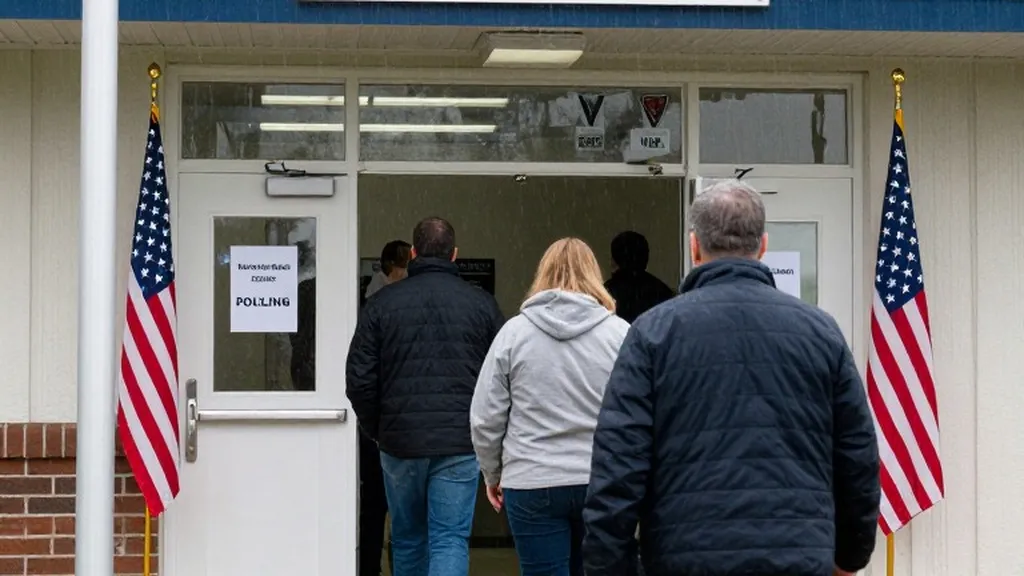
As polling places open across the country on Tuesday, November 3, 2026, the political atmosphere is defined by a distinct tension between the executive branch and the legislative candidates running under their party banners. President Donald Trump has maintained a relentless schedule, holding dozens of rallies throughout the final days of the campaign. This high-profile presence contrasts sharply with the more cautious approach taken by many of the Republican candidates seeking office, a dynamic that has become a central feature of this midterm election.
The Associated Press notes that many Republican candidates have kept their distance from the president during this final stretch. This strategic separation reflects a broader effort to appeal to voters who may be sympathetic to the GOP message but are wary of the president's current public standing. The president's approval numbers have become a significant factor in the race, with recent polling indicating that 35 percent of U.S. adults approve of his job performance. Furthermore, only 25 percent approve of his handling of the economy, a key issue given that about seven in ten voters say the country is heading in the wrong direction.
Trump has continued to emphasize his personal brand during these events, telling crowds at his final rally in Salina, Kansas, on Sunday that he really wants them to pretend he is on the ballot. This direct appeal highlights the weight of his name in the race, even as his administration faces criticism over its handling of election administration. The president has made false claims about voting fraud, including assertions that noncitizens vote in large numbers, which has led to legal challenges and tensions with local officials in states like Alaska and California.
The Associated Press describes this election as a referendum on the president's second term, with voters struggling with high prices and anger over an unpopular war with Iran. This context explains why the president's active role is both an asset and a liability for his party. While his rallies energize the base, the low approval ratings on economic issues pose a challenge for down-ballot candidates. The president's schedule included stops in Mississippi, South Carolina, and Texas, where he sought to turn out voters for the Republican ticket.
On the Democratic side, the mood is described as cautiously optimistic. Party leaders argue that the American people are angry and want change, a message that resonates with voters like James Moore, a librarian in Raleigh, North Carolina, who cited higher taxes and healthcare costs as primary concerns. The Democratic Congressional Campaign Committee Chair, Rep. Suzan DelBene, emphasized that the party's strategy relies on mobilizing this sentiment of dissatisfaction with the status quo. This stands in contrast to the Republican strategy, which focuses on turnout and protecting the party's current majority in the House.
The financial aspects of the campaign also reflect the president's influence. According to an analysis of AdImpact data by the Associated Press, 88.1 percent of Republican general election TV ad spending went to states and districts that Trump won in 2024. This includes more than 850 million dollars spent in areas where he won by ten points or more. While Republican committees outraised and outspent their Democratic counterparts at the committee level, Democrats outraised their opponents at the candidate level, a testament to the effectiveness of local fundraising efforts independent of the presidential brand.
The legal landscape surrounding the election has added another layer of complexity. The Trump administration has sued in Alaska and California regarding election certification and ballot segregation, moves that critics say risk disenfranchising eligible voters. A federal judge temporarily barred the administration from carrying out a plan to prevent noncitizen voting, a decision that has drawn praise from Democrats who fear interference and intimidation. The Justice Department's threats to prosecute local election officials have further heightened tensions in the final days before the polls close.
Voters are casting their ballots for all 435 House seats and 35 Senate seats, with the outcome determining who controls Congress for the president's final two years. The stakes are high, as a Democratic victory in even one chamber would likely lead to increased investigations and possible impeachment proceedings. House Democratic Leader Hakeem Jeffries has outlined a 100-day agenda focused on the cost of living and oversight, signaling the party's intent to use its legislative power if it gains a majority. Republicans, meanwhile, are fighting to hold the Senate and limit the House losses to maintain a legislative foothold.
The election also serves as a test for the midterm pattern, which historically sees a president's party lose seats. Republicans attempted to counter this trend through redistricting, but new maps in states like Florida and Ohio may not yield the expected results. The Associated Press notes that one or two seats could tip either chamber, making this a close race that will likely require a high turnout to determine the final balance of power. As of Monday, more than 57 million people had already voted, surpassing the early vote totals from four years ago in many closely watched states.
In the end, the election is a measure of public confidence in the current administration's direction. Voter Mark Barker of Palm Beach Gardens, Florida, expressed support for the president, stating that he has been following Trump the whole time and thinks he is doing an awesome job. Conversely, other voters like Moore in North Carolina are motivated by economic pressures and a desire for a shift in leadership. The results will reveal whether the president's personal popularity can offset the low approval ratings on key issues and whether the candidates can successfully distance themselves from the administration's controversies.