Trump Orders AI Data Centers to Pay Local Energy Dividends
The president demands that hyperscalers return excess power to communities to offset rising utility bills and win local approval.
By Wei Zhang ·
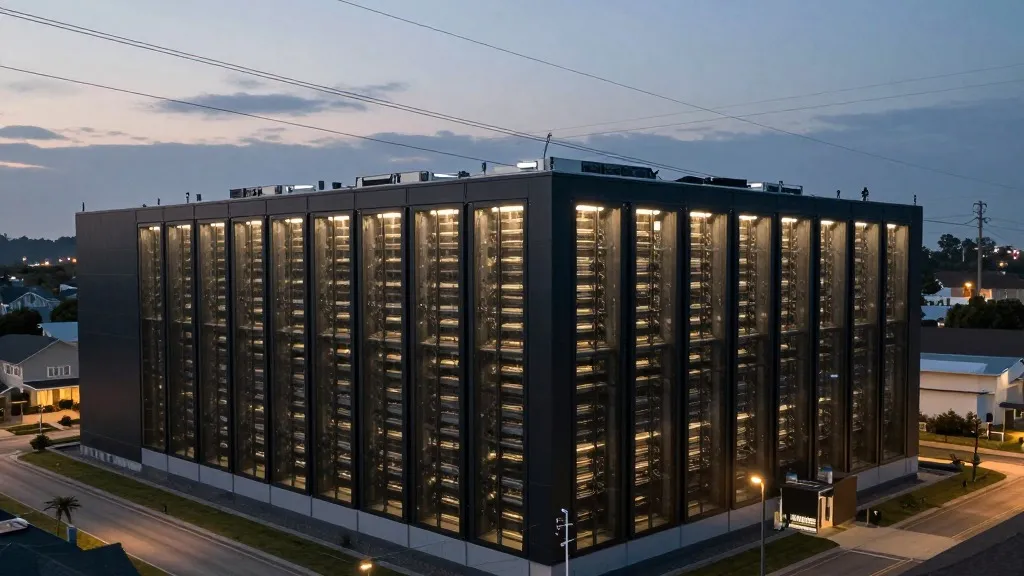
President Donald Trump has issued a direct mandate for AI data center operators to pay financial dividends to the local communities hosting their massive facilities. In a statement published on Truth Social today, the President outlined a new requirement that these technology giants must not only generate their own electricity but also return or sell any excess power back to the local grid. The primary goal of this directive is to mitigate the surge in electricity costs that has sparked widespread protests across the United States, with the administration hoping to either stabilize or lower rates for nearby residents.
The move comes in response to growing friction between large-scale data centers and the small towns where they are often located. Residents in various parts of the country have organized against these projects, citing significant burdens such as noise pollution, air quality degradation, water shortages, and deforestation. By demanding a tangible financial benefit for locals, the Trump Administration aims to make these facilities more acceptable to the public while maintaining the United States’ competitive edge in the global AI race against China.
The President emphasized that financial incentives are a proven method for gaining community support. In his post, Trump noted that data centers which were previously unpopular in specific areas have become well-received once a financial deal was secured. He urged builders to “MAKE DEALS, and get them built!!!” to ensure the continued expansion of AI infrastructure. This strategy aligns with previous administration orders that required data centers to be self-sufficient in their power generation, a rule designed to prevent them from drawing heavily on the existing public grid.
Under this new framework, the excess electricity generated by data centers could be used to offset the rising utility bills that many local households are currently facing. This approach complements a recently passed act that obligates data centers to cover the costs of necessary grid upgrades, ensuring that local taxpayers do not bear the financial burden of expanding infrastructure to support these high-energy facilities. The administration views this energy dividend as a direct alleviation of one of the most significant pain points for communities surrounding these sites.
However, the practical implementation of this mandate faces several hurdles that remain unresolved. While the economic aspect of the dividend is clear, it addresses only one facet of the broader issues associated with AI data centers. Concerns regarding enormous water consumption, ecological damage, and persistent pollution remain major challenges that a financial payout may not fully resolve. The term “dividend” also raises questions about corporate profitability, as new data center builds typically require recouping high construction costs before becoming profitable, a period during which traditional dividends are often not paid.
Critics and observers also point to the nature of the power generation currently being installed at these sites. Short-term solutions often rely on gas-powered generators, which can be noisy, polluting, and less efficient than conventional power plants. This could limit the perceived benefit for locals living in close proximity, as the immediate environmental impact may outweigh the financial gain. Furthermore, without strict regulatory requirements beyond this initial mandate, there is an open question about whether companies will have sufficient incentive to go beyond the path of least resistance in their dealings with local communities.
Ultimately, whether this energy dividend will be enough to win over skeptical communities is yet to be seen. The administration is betting that a direct financial benefit will shift public sentiment and accelerate the construction of new AI hubs. As the US continues to invest heavily in artificial intelligence, the balance between technological expansion and local community welfare remains a critical and evolving negotiation.
For now, the focus is on how these deals will be structured and enforced. The administration’s strategy suggests a shift toward a model where local communities are active stakeholders in the AI infrastructure boom, rather than passive recipients of its externalities. The coming months will likely reveal whether this mandate translates into tangible relief for residents or remains a symbolic gesture in the broader battle for AI dominance.
Source: Tom's Hardware