Midterm 2026: The High-Stakes Battles for Senate and Governor Seats
With polls open, voters in key states are deciding control of Congress and statehouses in a race defined by economic concerns and partisan tension.
By Lorenzo Marshall ·
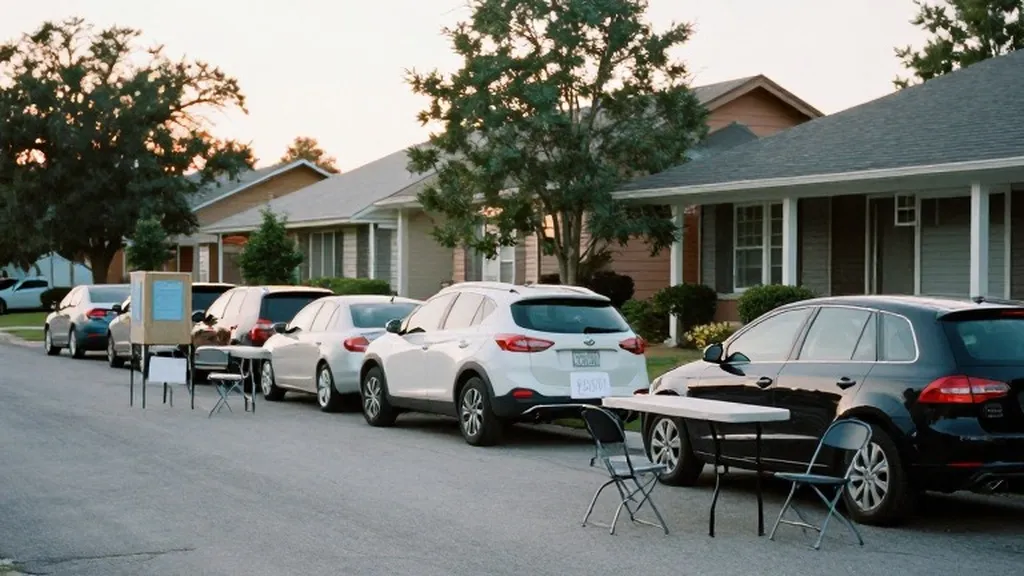
It is Election Day, Tuesday, November 3, 2026, and the nation is engaged in a midterm election halfway through President Donald Trump's second term. The results will determine who controls Congress for the final two years of the administration. All 435 seats in the U.S. House and 35 seats in the U.S. Senate are up for grabs, along with 36 governorships. Republicans currently hold a majority in both chambers, but Democrats are looking to seize control of at least one house. The Associated Press describes the election as a referendum on the president's performance, with voters facing high prices and dissatisfaction with the ongoing war with Iran.
In the House, Democrats need a net gain of three districts to achieve a majority, while Republicans can afford to lose no more than two seats. Ballotpedia has identified 46 battleground districts, with 25 held by Democrats and 21 by Republicans. In the Senate, Democrats need to win four seats to take the majority, whereas Republicans can lose only two. Eleven senators are not running for re-election, including four Democrats and seven Republicans. The winners of these Senate races will begin their six-year terms on January 3, 2027. The administration and opposition parties are watching these races closely, as one or two seats could tip the balance of power in either chamber.
The governor races are equally critical, with 36 offices on the ballot. Republicans currently hold 26 governorships and Democrats 24, but 19 of the races have no incumbent on the ballot. Democrats would need a net gain of two governorships to achieve a nationwide majority, a feat they have not accomplished since 2010. The Associated Press notes that the governor races in Texas, Florida, and Iowa are competitive. In Georgia, Republican health care executive Rick Jackson faces Democratic former Atlanta Mayor Keisha Lance Bottoms. In Nevada, Republican Governor Joe Lombardo is up against Democratic Attorney General Aaron Ford. In Ohio, Republican Vivek Ramaswamy is running against Democrat Amy Acton, with the race marked by recent campaign ads and media attention.
Several Senate races are particularly close and will determine the balance of power in the upper chamber. In Maine, Senator Susan Collins faces Democratic former state Senate President Troy Jackson in a race rated as a toss-up. The Associated Press notes that economic strain and tariffs have made the state competitive. In Michigan, Republican former Representative Mike Rogers is running against Democrat Abdul El-Sayed, a race that has seen shifting endorsements and intense campaigning. In North Carolina, Democratic former Governor Roy Cooper is challenging former Republican National Committee chair Michael Whatley for the seat vacated by retiring Senator Thom Tillis. These races, along with contests in Iowa, Kansas, and Alaska, are central to the fight for Senate control.
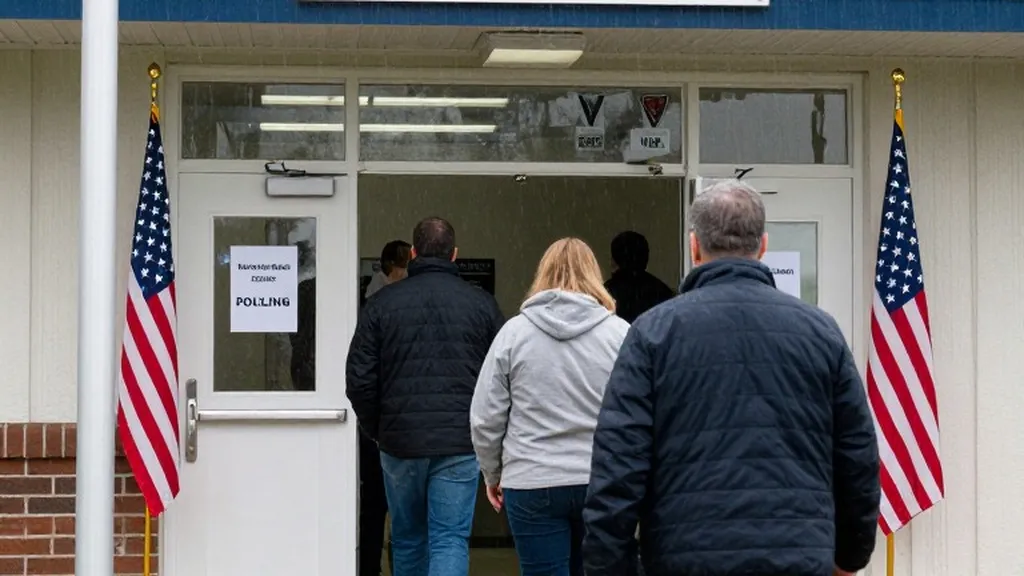
Voters are expressing a mix of frustration and hope as they head to the polls. More than 57 million people had already voted as of Monday, surpassing early vote numbers from four years ago in many closely watched states. A federal judge temporarily barred the Trump administration from a plan to prevent noncitizen voting, a move critics say risks disenfranchising eligible voters. The U.S. Postal Service has added hours and staff to ensure mail ballots are counted on time. Wall Street is also watching the results, as they could impact investor concerns about AI spending and debt ceiling negotiations. The mood is tense, with Republicans bracing to lose the House and Democrats cautiously optimistic about their chances.
The cost of the 2026 elections is likely to be the highest in history, with Republican committees outspending Democratic committees at the national level. However, Democrats outraised their opponents at the candidate level. According to AP analysis of AdImpact data, 88.1% of Republican general election TV ad spending went to states and districts Trump won in 2024. This spending strategy reflects the administration's focus on consolidating support in key areas. Meanwhile, Democratic campaigns are emphasizing the cost of living and oversight, with House Democratic Leader Hakeem Jeffries outlining a 100-day agenda if his party gains the House. The stakes are high, as a Democratic victory in even one chamber would likely lead to investigations and possible impeachment proceedings.
Voters in states like Florida, Georgia, and Ohio are making their choices with an eye on both local and national issues. In Florida, the special Senate election is a key contest, with Republican Ashley Moody facing opposition in a state that Trump won by 13.1 points in 2024. In Georgia, Senator Jon Ossoff is running against Republican Representative Mike Collins, with the race rated as likely Democratic. In Ohio, Democratic former Senator Sherrod Brown is challenging Republican Senator Jon Husted in a special election. These races highlight the complex dynamics of the midterm, where state-level issues intersect with national political trends.
The election also marks a shift in congressional maps, with six states using new districts after mid-decade redistricting. California, Florida, Missouri, North Carolina, Tennessee, and Texas are among the states with new maps, while Ohio also uses a revised district layout. These changes may impact the outcome of House races, as new districts may not vote as originally drawn. The administration tried to beat the midterm pattern, where a president's party almost always loses seats, through redistricting efforts. However, the effectiveness of these changes remains to be seen as voters cast their ballots today.
As polls close in various states, the focus shifts to what happens next. If Democrats win even one chamber, it could boost potential 2028 candidates such as Gavin Newsom, JB Pritzker, and Pete Buttigieg, while complicating the path for Vice President JD Vance. The election is not just about who controls Congress but also about the direction of the country in the final two years of Trump's term. Voters are making their decisions based on their views of the president's job performance, the state of the economy, and the future of their communities. The results will provide a clear signal of the public's sentiment as the administration moves into its final stretch.