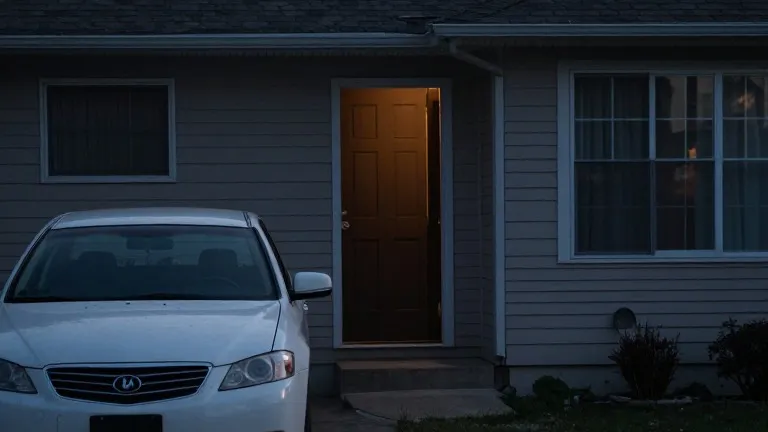
Trump Administration Intervenes in Legal Battle Over Evanston Housing Grants
Federal courts have allowed the Justice Department to challenge a $25,000 grant program in Illinois, part of a wider push to test race-based local reparations.
By Lorenzo Marshall ·
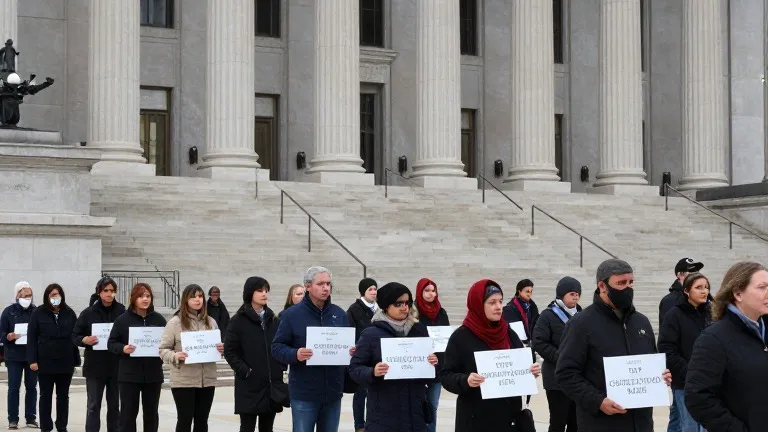
The fight over local reparations has moved into the federal courts, with the Trump administration joining a lawsuit designed to challenge the legality of race-based housing grants in Evanston, Illinois. The intervention marks a direct escalation in the government's effort to limit municipal programs that provide financial aid specifically to Black residents.
Robin Rue Simmons, who goes by the name N'nanba, helped establish Evanston's $25,000 housing grant for Black residents affected by discriminatory policies. Now a former city councilwoman and chair of the city's Reparations Committee, she is assisting more than 100 communities in replicating the program. Despite the federal pushback, she said the group still views federal redress as its collective north star.
The legal challenge stems from a lawsuit filed by Judicial Watch, which argues the city distributes funds based on race without identifying specific harm. Michael Bekesha, the attorney for the plaintiffs, stated that the Constitution bars governments from picking winners and losers based entirely on race. A federal judge recently granted the Justice Department permission to intervene in the case.
The Justice Department contends the Evanston program violates the 14th Amendment's equal protection clause and the Fair Housing Act. Kiersten Pels, a department spokeswoman, asserted that race-based government benefit programs are often unconstitutional. In a similar move last year, the department sent a warning letter to leaders in Asheville and Buncombe County, North Carolina, who were considering their own reparations initiatives.
William Darity, a scholar who co-wrote a book on the topic, noted that no president has historically supported comprehensive Black reparations. He observed that President Trump speaks the word with hostility, echoing a September speech where Trump told supporters they want to steal money for reparations and that the effort is going nowhere. This stance aligns with the administration's broader campaign against diversity, equity, and inclusion programs.
The pressure extends to higher education. Georgetown University continues to offer admission consideration to descendants of enslaved people, and Juan Woolfolk, a 36-year-old descendant, is using a $10,000 scholarship to study museum studies at Southern University at New Orleans. Virginia Theological Seminary also makes annual cash payments to descendants, funded by an endowment that has grown to $2.8 million since 2019.
However, new initiatives have stalled in other institutions. Richard Cellini, who led a Harvard project that identified nearly 500 living descendants of people enslaved by the university's past leaders, said his team was fired days after Trump's January 2025 anti-DEI order. Kirt von Daacke, a historian at the University of Virginia, reported that he sees no new scholarship programs since the president returned to office.
More News · Georgetown news · Report a business · Got a Story?