Regulators Outline Cyan Light Proposal
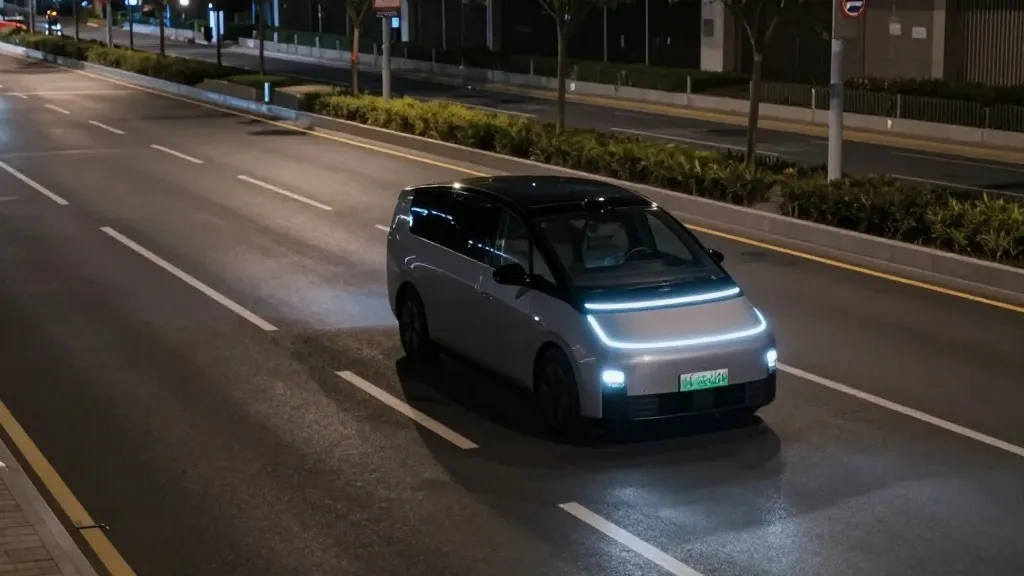
The federal government has proposed a specific blue-green marker light to clearly indicate when an autonomous driving system is operating a vehicle.
By Rebecca Dawson ·
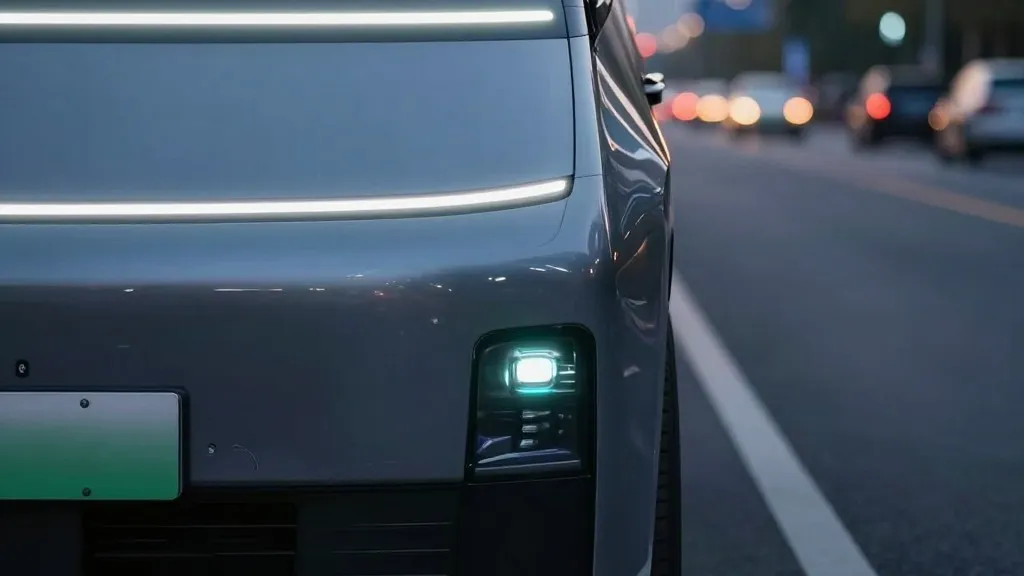
Federal regulators have proposed a specific blue-green light to serve as the visual confirmation that an autonomous driving system is at the controls. The National Highway Traffic Safety Administration is seeking to establish a uniform national standard for this indicator, a move designed to resolve the debate over how driverless cars should signal their operating status to law enforcement and other road users on public roads.
The proposal outlines specific details regarding the appearance and placement of these lights. The agency wants to standardize the color, brightness, and location of any marker lamps used to signal autonomous operation. By defining these technical parameters, the government aims to prevent a confusing mix of different colors and signals from various manufacturers, ensuring a consistent and legal setup for any vehicle equipped with such indicators.
The choice of a specific shade for this purpose is rooted in the existing visual language of the road. The automotive industry already utilizes red, amber, white, and flashing blue or red lights for functions such as braking, turning, headlights, and emergency vehicles. A distinct blue-green light could theoretically fill a visual gap without confusing road users or interfering with these established signals.
The proposal is part of a broader effort by the Department of Transportation to streamline the deployment of autonomous vehicles. Regulators are seeking to update federal motor vehicle safety standards to accommodate vehicles designed without human drivers. This includes removing requirements for physical components like hazard switches, manual beam shifters, and turn levers, which do not apply to a vehicle without a human operator.
The government is also proposing to update a 12.8-volt testing standard, which would allow automakers to build around modern LED architectures without administrative hurdles. Additionally, the agency is considering removing requirements that dictate whether high-beam lights must be positioned above or below low-beam lights, further easing the path for manufacturers developing autonomous vehicle designs.
While the proposed light would be optional for manufacturers, the agency wants to create official federal standards for its color, brightness, and location. The goal is to ensure that any automaker who chooses to add such a light uses a consistent, legal setup instead of a confusing mix of different colors and signals. This move would create a uniform national standard that robotaxi operators and automakers can adopt.
The proposed rulemaking is part of a larger administrative push by the Department of Transportation to facilitate the deployment of autonomous vehicles. The government aims to make it easier for manufacturers to build cars that lack traditional controls, such as a steering wheel and pedals, which are designed for vehicles operated by human drivers. This initiative aligns with the goal of reducing red tape for human-free vehicle designs.
While regulators are working to streamline rules for autonomous vehicles, they are also enforcing existing standards. Last month, the agency opened an audit query into the Tesla Cybercab to examine the process and technical data used to certify the vehicle. The inquiry addresses the absence of design features such as sideview mirrors, pedals, and a steering wheel, which are required under current federal motor vehicle safety standards.
The proposal is part of a broader administrative push by the Department of Transportation to streamline the deployment of autonomous vehicles. The government wants to make it easier for automakers to build cars without traditional controls, like steering wheel and pedals, that are meant for vehicles that are operated by human drivers. That said, regulators are also still enforcing the rules as they are written.
Source: The Verge