Lunar Logistics: NASA Finalizes 2028 Moon Landing Strategy
New orbital docking protocols and revised launch schedules aim to streamline the path for astronauts to return to the lunar surface.
By Noor Haddad ·
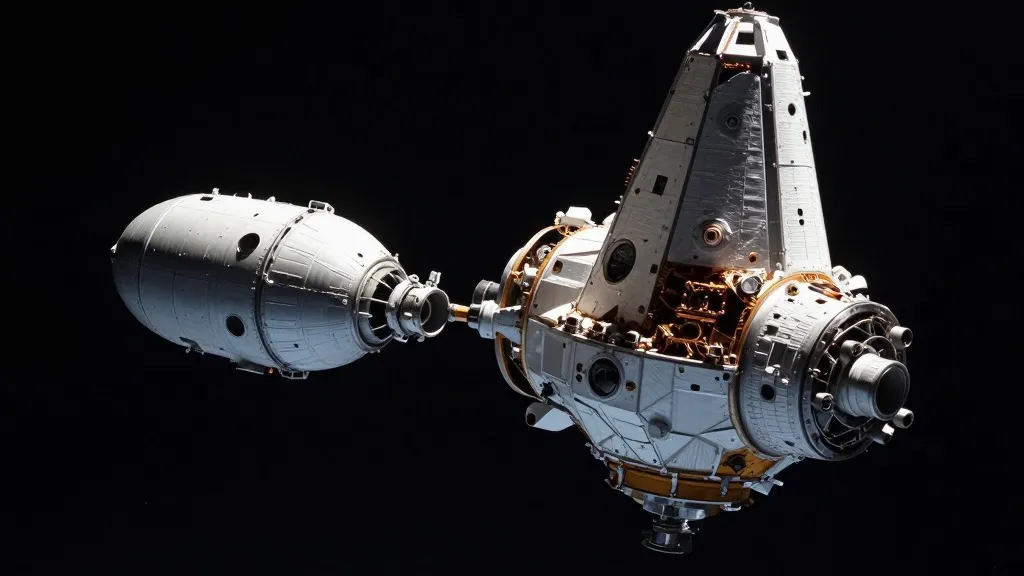
For those tracking the return of human spaceflight, the mechanics of how astronauts reach the Moon have just become significantly more defined. On Friday, NASA offered its most detailed roadmap yet for the Artemis Program, confirming a target window for crewed lunar landings as early as 2028. While many details had circulated in industry reports, this presentation marked the first official acknowledgment of substantial shifts in the mission architecture. These changes directly affect the timing and safety protocols for the next generation of space travelers, moving the program from theoretical planning to executable logistics.
The core of the new strategy involves a shift in where critical spacecraft meetings occur. For SpaceX, the revised plan dictates that the Orion crew capsule will dock with the Starship lunar lander in high-Earth orbit. This connection happens before the combined vehicle travels to the Moon. In contrast, the architecture for Blue Origin relies on four separate launches of the New Glenn rocket. Notably, this path does not require any refueling operations between spacecraft. The Blue Origin sequence also allows for the Blue Moon lander to rendezvous with Orion in low lunar orbit, providing a flexible approach to the final descent.
NASA officials outlined a clear timeline during the briefing. They anticipate launching Artemis III, a demonstration mission focused on docking with both the Blue Moon and Starship vehicles near Earth, by the summer of 2027. Following this test, the agency is tracking toward a 2028 launch for Artemis IV, which will involve the actual landing of astronauts on the lunar surface. Jared Isaacman, the NASA Administrator, emphasized the feasibility of this schedule. He stated, “This is an achievable path we are on right now. We have the mandate, we have the resources, and the support from our stakeholders to be able to execute, and that’s what we intend to do.”
The recent architectural updates were driven by specific engineering challenges faced by the contractor teams. Early in 2026, SpaceX engineers raised a significant concern with NASA leadership. They requested the removal of a requirement to dock with Orion in a near-rectilinear halo orbit around the Moon. This specific orbital path demanded excessive energy and introduced operational difficulties that threatened the mission timeline.
The cancellation of the Lunar Gateway project earlier this year inadvertently resolved this issue for SpaceX. By eliminating the need for that specific orbital maneuver, the agency simplified the trajectory for the Starship vehicle. This adjustment allows for a more direct and energy-efficient path to the lunar surface. The decision reflects a broader effort by NASA leadership to remove bureaucratic and technical hurdles that could delay the program. By aligning the mission requirements with the capabilities of the commercial partners, the agency aims to maintain momentum toward the 2028 goal.
The stakes for this new approach are high. Success depends on the ability of both SpaceX and Blue Origin to deliver their vehicles on schedule while adhering to the new docking protocols. The 2027 demonstration mission will serve as the critical test of these new procedures. If the docking maneuvers go smoothly, it will validate the path for the crewed landing in 2028. Any delays or technical failures in the near-term tests could push the timeline back, but the current plan represents the most streamlined version of the Artemis architecture to date.
Source: Ars Technica