Democrats Win Texas, Kansas, Ohio
Voters in five states Trump won in 2024 elected Democratic candidates for Senate and governor, marking a sharp departure from recent election results.
By Aiko Petrov ·
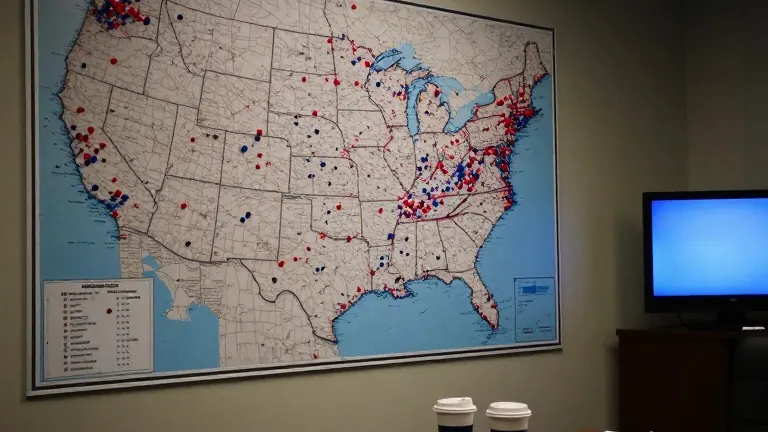
Democratic candidates won statewide races in Kansas, South Carolina, Texas, Ohio, and Iowa on Tuesday, states that President Donald Trump won by large margins in the 2024 presidential election. The results ended decades of Republican dominance in several of these regions. In Texas, no Democrat had won a statewide office since 1994.
The shift began with a series of unexpected victories in the Midwest and South. Adam Hamilton, a Methodist pastor, defeated Republican Senator Roger Marshall in Kansas. This marked the first time the state elected a Democratic senator since 1932. In South Carolina, pediatrician Annie Andrews unseated Republican Senator Darline Graham, becoming the first Democrat to hold that seat since 1998.
Texas saw the deepest wave of change. James Talarico defeated Attorney General Ken Paxton for the U.S. Senate. Gina Hinojosa won the governor's race against Greg Abbott, and Vikki Goodwin defeated Lieutenant Governor Dan Patrick. Nathan Johnson also won the attorney general position, defeating Mayes Middleton. Dan Patrick acknowledged the scale of the loss, stating, "This was a wave election in Texas and across the country."
Former battlegrounds also flipped to Democratic control. Iowa voters chose Rob Sand for governor and Josh Turek for senator. In Ohio, Amy Acton won the governor's race, and Sherrod Brown secured the Senate seat. Brown previously lost his Senate seat to Republican Bernie Moreno in 2024 but defeated current Republican Senator Jon Husted in this cycle.
Florida Governor Ron DeSantis, who is concluding his second term, described the current political climate as a volatile era. He will be succeeded by Republican Representative Byron Donalds, who won a narrow victory in a state long viewed as a conservative base. DeSantis told reporters that leaders must recognize how quickly things shift and avoid assuming past campaign strategies will work in the future.
Senate Majority Leader Chuck Schumer of New York called the outcome a generational remake of the Senate map. The results raise questions about whether this represents a permanent change in partisan alignment or a temporary reaction to living costs and presidential unpopularity. The final tally of seats will determine the balance of power in Washington for the next two years.