Ukraine's Starshield Slowdown Highlights SpaceX's Near-Monopoly in Orbit
Ukraine's military suffered from a sudden slowdown in Starshield, revealing the power SpaceX holds in orbit.
By Luis Fernandez ·
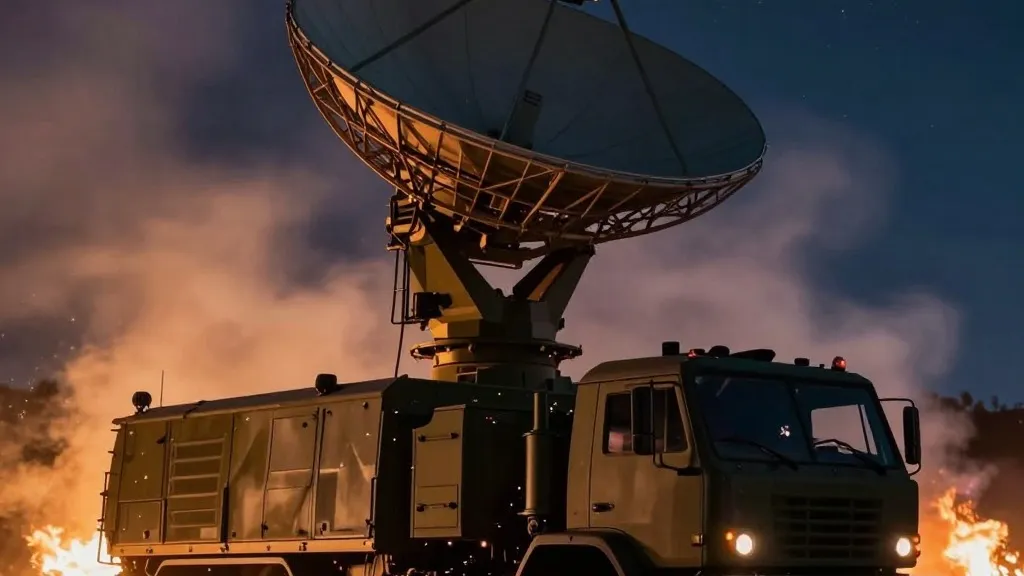
Ukraine's military faced a sudden slowdown in Starshield, the military version of SpaceX's Starlink, last week. This affected their ability to counter Russian bomb-carrying drones at high speed, making it easier for Russia to strike Ukraine's energy infrastructure, resulting in two deaths and at least 17 injuries. The Ukrainian military said it received no advance notice of the move, and President Volodymyr Zelenskyy described the slowdown as a direct message from the United States, as tensions grow between him and President Donald Trump. The sudden cutoff drew broad public criticism, aimed at Trump for abandoning Ukraine and at SpaceX CEO Elon Musk for enabling him.
The explanations for the slowdown have since shifted. Musk first said SpaceX has no control over Starshield and that the US military makes such decisions, while the White House denied taking action. Later reports said Musk proposed the slowdown to Trump, who accepted it, and then that Musk ordered the restrictions himself. Access has since been restored in Ukraine.
Ukraine depends heavily on US technology such as Starlink and Starshield for its defense, and access has been limited before, including in 2022, when coverage was not extended to support a counterattack in Crimea. Experts say the episode shows how much geopolitical leverage has accumulated in the hands of a single unelected executive, a result of so much of the space industry being concentrated in one company.
Wendy Whitman Cobb of the School of Advanced Air and Space Studies at Maxwell Air Force Base said SpaceX effectively has a monopoly on launch. Rivals such as United Launch Alliance, Blue Origin and Rocket Lab exist, she said, but none comes close in frequency, mass, scale or cost. Space economist Oğuz Karasu of the Oxford Space Initiative said the monopoly is practical rather than legal. Launch is about 8 percent of the space industry, he said, but the rest cannot function without it.
SpaceX has built a network of more than 10,000 Starlink satellites in low Earth orbit by launching them cheaply on Falcon 9 rockets. Andrew Reddie of the University of California, Berkeley called the situation almost an antitrust issue, since SpaceX launches support constellations SpaceX owns, leaving little incentive to launch competing ones. SpaceX has launched some Amazon Kuiper (now Leo) satellites. Whitman Cobb and Karasu said they have heard complaints that Falcon 9 prices, particularly for low Earth orbit, are rising, and Starlink prices have climbed since its 2020 beta.
Source: The Verge