Javadi Bets on Democratic Switch in Costly Oregon House Contest
A former Republican state representative faces a tough challenge from a local farmer in a race that has become one of the most expensive in the state.
By Andre Williams ·
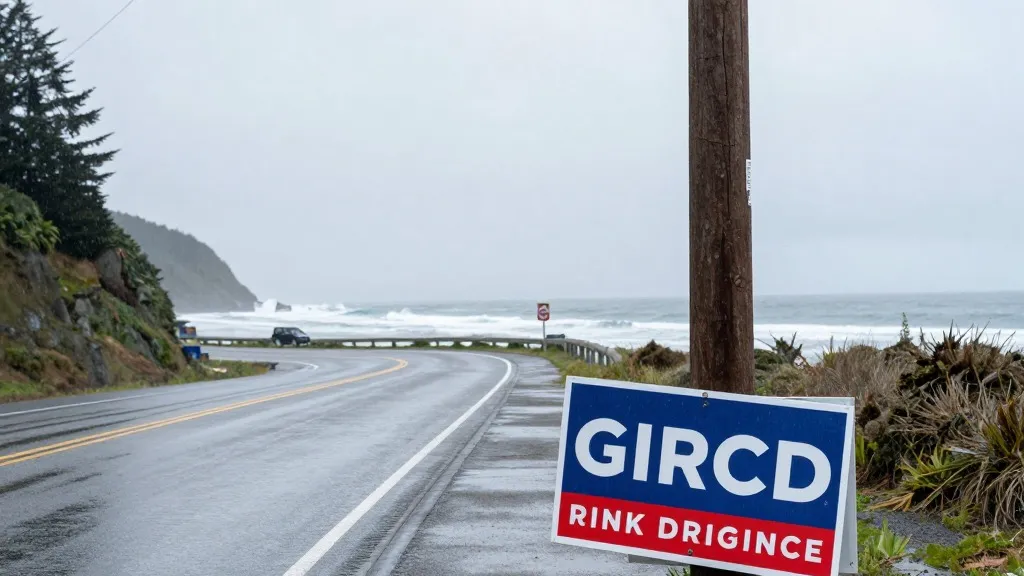
Cyrus Javadi is attempting a high-stakes political gamble by seeking reelection as a Democrat in a district where he previously won twice as a Republican. This unexpected pivot has transformed his campaign into a focal point for observers of state politics.
The financial stakes are significant, with both major candidates raising more than one million dollars. This funding level may make this the most expensive House race in Oregon this year. The money has allowed both sides to purchase advertising space in the Portland market, which covers the coastal district.
Javadi, who is 49 years old, represents House District 32, a region stretching from Astoria to Neskowin. He changed his party registration to Democrat last year after providing the decisive vote for Governor Tina Kotek’s transportation tax package. That package included a 6-cent gas tax increase that many voters disliked. Javadi stated that new funding was necessary to repair roads damaged by wind and rain. His opponent is Max Sherman, a 69-year-old farmer and retired high school teacher from Hebo. Sherman highlights his background in agriculture, fishing, and forestry as key to understanding the local economy. He positions himself as an anti-tax candidate while also supporting the Oregon Department of Transportation.
Local political figures have reacted sharply to Javadi’s move. Lisa Lamping, chair of the Clatsop County Republicans, who helped elect Javadi in previous cycles, now calls him an opportunist. She noted that local Republicans feel a mix of anger and relief. Betsy Johnson, a former Democratic legislator, has also endorsed Sherman in television advertisements. Sherman argues that many voters have lost trust in Javadi due to his shifting positions. He describes the race as a total toss-up that could end in a very close margin.
The district contains roughly 55,800 registered voters, with nonaffiliated voters outnumbering both major parties. This independent bloc could determine the winner. Javadi argues that his evolution is a strength, citing his upbringing in a conservative Mormon family in Utah. He said he found Republican arguments less convincing over time. He recently supported a bill making it harder for school districts to ban books, citing his gay son, and helped argue for a measure using healthcare taxes to raise federal Medicaid funding.
Voters rejected the specific tax package Javadi supported by a landslide in May. He believes the state still needs more money for roads but says the election showed voters want repairs without the specific gas tax increase. He notes that the topic rarely comes up during his door-to-door canvassing, where he meets dozens of people daily. His campaign emphasizes that he stands by his core values, and some local Democrats have welcomed his switch. Javadi, who writes lengthy posts on Substack to explain his views, says he uses artificial intelligence mainly as an editor while writing most of the content himself. He plans to continue knocking on doors until Election Day.
Source: OPB