Tonto Creek Floods: Four Arizona Hatcheries Impacted After Water Levels Spike
Rainfall of over two inches caused Tonto Creek near Roosevelt Lake to rise from 4 feet to 16 feet, damaging infrastructure at multiple state fish facilities.
By Aiko Petrov ·
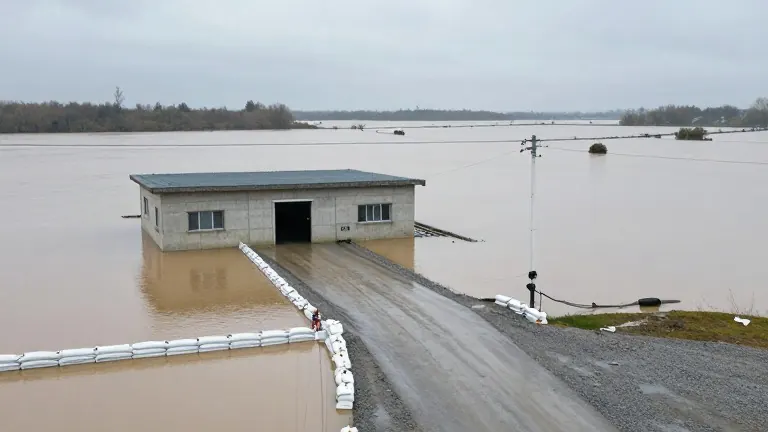
Water levels on Tonto Creek near Roosevelt Lake jumped from 4 feet late Saturday night to 16 feet by Sunday afternoon. This spike followed a weekend of heavy rain that delivered more than 2 inches of precipitation to the region. The rapid rise in water caused structural damage at several Arizona Game and Fish Department facilities.
The Tonto Creek Hatchery northeast of Payson suffered the most extensive damage. Wayne Jones, the hatchery program administrator for the Arizona Game and Fish Department, confirmed that water rushed into the feed room and bunkhouse. The flooding also washed out roads surrounding the facility, specifically causing major washouts on Spring Road that exposed the spring line. Jones noted that the road below the hatchery was also washed out, which temporarily trapped staff on the property.
Jones stated that his team used sand and salt bags to manage the rushing waters, but the effort could not prevent damage to buildings and roads. Consequently, the Tonto Creek Hatchery is closed to the public. Although all staff worked around the clock and were present when the floodwaters arrived, Jones reported that no employees were injured at any location.
Three other state hatcheries are currently closed to the public or have limited access due to the weather. The Canyon Creek Hatchery remains closed because floodwaters have not yet receded. The Silver Creek Hatchery has closed access to Silver Creek after water crested the banks. At the Bubbling Ponds Hatchery, floodwaters from Oak Creek reached and inundated the bass house. Additionally, the Sterling Springs Hatchery experienced a power outage that remains unresolved.
The Arizona Game and Fish Department operates six hatcheries across the state. These facilities produce an average of 400,000 pounds of fish annually, resulting in 3 million fish being stocked into 118 locations. Jones said the fish themselves are safe, with no issues reported in the rearing infrastructure. The raceways holding thousands of fish remain intact, and there has been no effect on fish stockings. Staff are currently monitoring water levels at all sites and coordinating response efforts as conditions change. Officials are considering adding flood prevention measures to existing renovation plans for the hatchery sites.
The department confirmed that the hatcheries raise all types of salmonids and some largemouth bass. Jones emphasized that the rearing infrastructure remained functional despite the external damage to roads and buildings. The closure of four sites marks a disruption to public access, but production targets remain unaffected by the event.