SpaceX declines military work while Spanish rocket nears final checks
The space company turned down three Space Force contracts, and a Spanish startup is preparing its first small-lift rocket for a flight test before mid-2027.
By Rafael Ortega ·
The commercial space sector is facing a week of significant operational shifts as major players adjust their strategies for both military and civil missions. On the civil side, engineers are grappling with complex fuel logistics for lunar ambitions, while on the commercial side, a leading firm has chosen to remain focused on its core business by rejecting new government work. These developments highlight the ongoing tension between expanding government partnerships and maintaining private sector independence. Meanwhile, international competitors are making steady progress in their own launch vehicles, signaling a growing global competition in the small-lift market.
SpaceX has formally declined three launch contracts offered by the United States Space Force. This decision marks a notable turn for the company, which has historically been a primary contractor for military payloads. By saying no to these specific opportunities, the firm is signaling a preference to concentrate its resources on other priorities. This move comes as the company continues to refine its capabilities for civilian space travel, including the development of its Starship vehicle. The rejection of these military contracts suggests a strategic focus on maximizing efficiency in the commercial sector rather than diversifying into new government roles immediately.
A NASA safety panel has highlighted the technical challenges associated with the Starship program. The panel indicated that the vehicle may require up to 22 refueling operations to support a lunar landing mission. This figure underscores the complexity of orbital refueling and the precision required for deep space exploration. The requirement for such a high number of tankers or refueling events adds a layer of logistical difficulty to the timeline for crewed lunar missions. As engineers work to optimize these processes, the focus remains on ensuring that the refueling stages can be executed safely and efficiently in orbit.
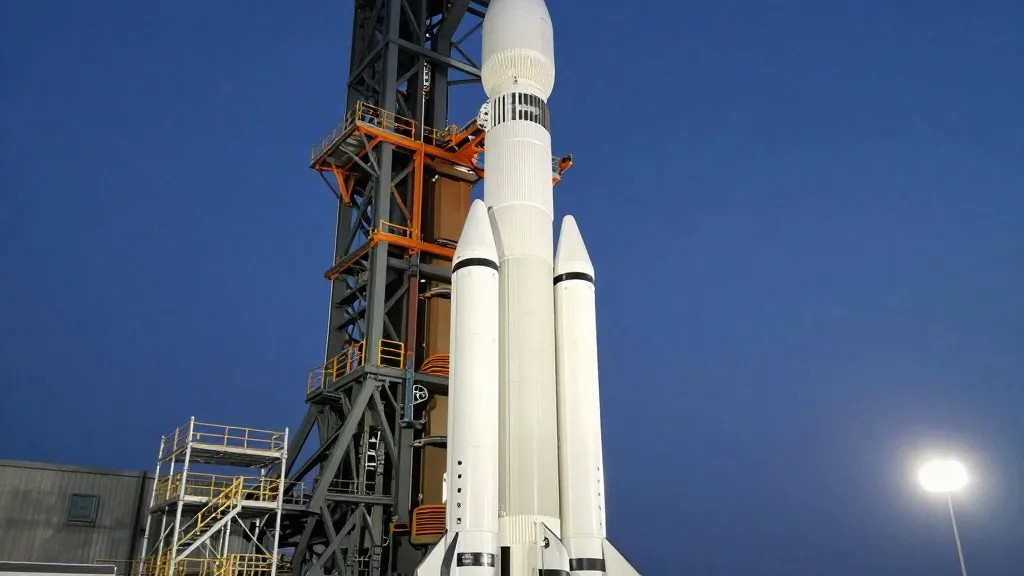
In Spain, PLD Space is advancing its Miura 5 rocket toward its inaugural flight. The company states that the vehicle is nearing final integration, a critical step before it can be launched. PLD Space has already manufactured three of these small-lift rockets, with two of them intended to qualify key system elements. The company targets a first flight for the vehicle before mid-2027. This timeline reflects a steady pace of development for a European launch provider aiming to compete in the small-lift segment. The progress on the Miura 5 indicates that the company is moving from the testing phase to the final preparation for its operational debut.
Raúl Torres, the CEO of PLD Space, noted that manufacturing the three vehicles has allowed the team to work continuously across different production stages. He explained that lessons learned from each qualification campaign are being applied directly to the launch vehicle. One second stage of the Miura 5 is now fully integrated to begin system-level testing under representative operating conditions. This stage is located at the PLD Teruel test facility, where it will undergo a wet dress rehearsal and a static hot-fire test. These tests are essential for verifying the reliability of the rocket's upper stage before it is ready for its first orbital attempt.
Across the Atlantic, Canadian startup Reaction Dynamics is seeking to raise $350 million to expand its workforce. The company aims to grow its staff from 68 to more than 350 people with the new funding. Reaction Dynamics is developing the Aurora rocket, a small-lift vehicle that it hopes will reach orbit in 2028. Additionally, the company has announced plans to build a medium-lift rocket called Borealis, which is targeted for a debut by 2031. This expansion effort highlights the continued investment in new launch capabilities in North America. The dual approach of developing both small and medium-lift vehicles positions the company to address a broader range of customer needs in the coming decade.
Source: Ars Technica