New cookbook uses WWII survival stories to anchor 30-plus home recipes
Chef Alon Shaya pairs oral histories from prisoners and partisans with dishes like candied yams and smashed potatoes to foster conversation at the dinner table.
By Harper Foster ·
Chef Alon Shaya has published a historical cookbook that links World War II survival narratives to specific home-cooked dishes.
The volume, titled Memories of a Good Meal: Recipes of Resilience Inspired by Stories of World War II Survival, compiles accounts from soldiers and civilians who endured the conflict. Shaya, who owns the New Orleans restaurant Saba, developed the content after leading the Rescued Recipes initiative at the United States Holocaust Memorial Museum.
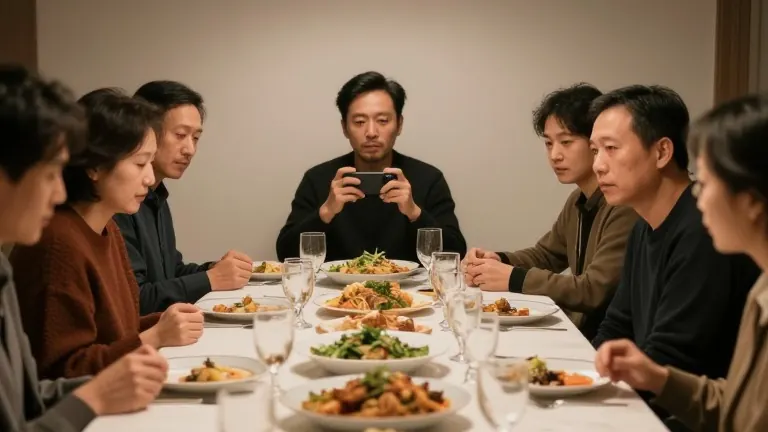
The book contains more than 30 recipes, each tied to a documented story of resilience. Shaya intends for readers to cook these meals as a prompt for discussion. He told NPR that he wants people to gather, put their phones down, and recount the histories of the people who created these dishes.
One chapter details the experience of Roddie Edmonds, a U.S. Army master sergeant captured in the Battle of the Bulge. Edmonds was imprisoned in a German POW camp, where he and other detainees discussed home-cooked meals to cope with their circumstances. Edmonds posthumously received the Congressional Medal of Honor earlier this year for refusing to surrender his Jewish troops to concentration camps.
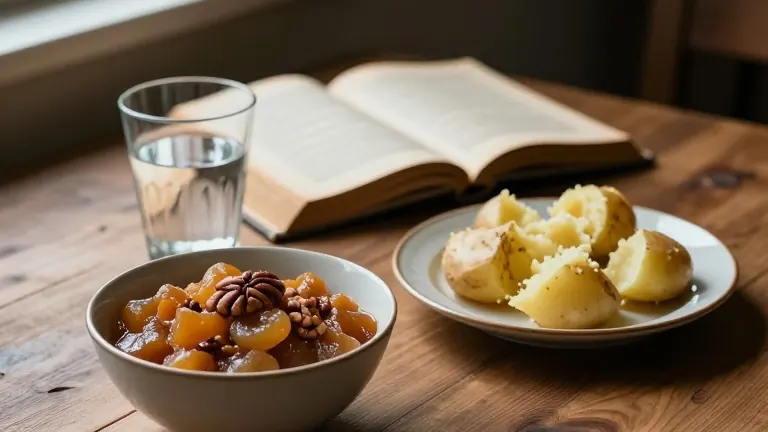
The prisoners sketched plans for a fictional restaurant called the Jolly Chef, where they would serve dishes like candied yams with pecans and whipped marshmallow. That specific dish appears in the cookbook. Shaya noted that the men used these mental images of food to maintain hope for their eventual freedom.
Other sections of the book cover Polish partisan fighters who hid in underground bunkers and sabotaged Nazi infrastructure. A recipe associated with their story features smashed potatoes flambéed in vodka. Shaya explained that vodka served as currency and a celebratory item for these fighters, making the cooking process a reflection of their daily realities.
The collection also includes stories from Hungarian Jews whose cook preserved a family recipe book before they were sent to Auschwitz, a French village that sheltered Jewish children, and Navajo code breakers. It further documents the incarceration of Japanese Americans in U.S. military-style camps.
June Hersh, a food historian who collaborated with Shaya on the project, described the act of remembering recipes as a form of resistance. She stated that while captors could impose labor or starvation, they could not erase a person's culinary memories.