New Cookbook Features 12 Recipes Tied to Specific WWII Survival Stories
Chef Alon Shaya pairs dishes like candied yams and vodka flambé with accounts from POWs, partisans, and code breakers to preserve the history of food during the war.
By Lorenzo Marshall ·
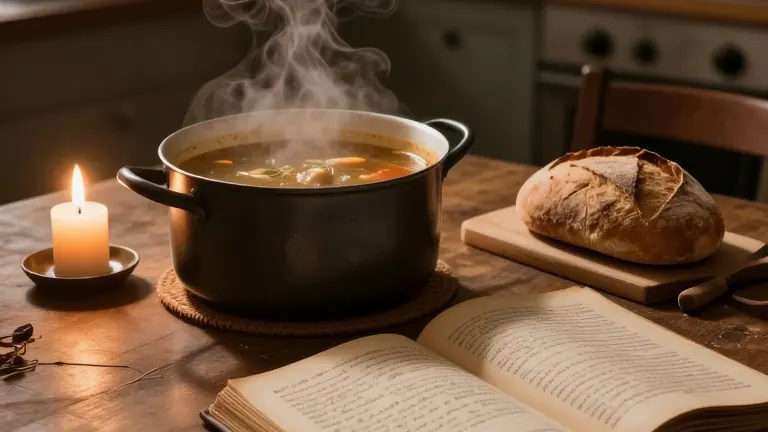
Food has long served as a medium for connection and resilience, a view held by Chef Alon Shaya of the New Orleans restaurant Saba.
Shaya, who previously led the Rescued Recipes initiative at the United States Holocaust Memorial Museum, has released a new historical cookbook titled Memories of a Good Meal: Recipes of Resilience Inspired by Stories of World War II Survival.
The book collects twelve specific recipes, each linked to a distinct narrative of survival from the global conflict.
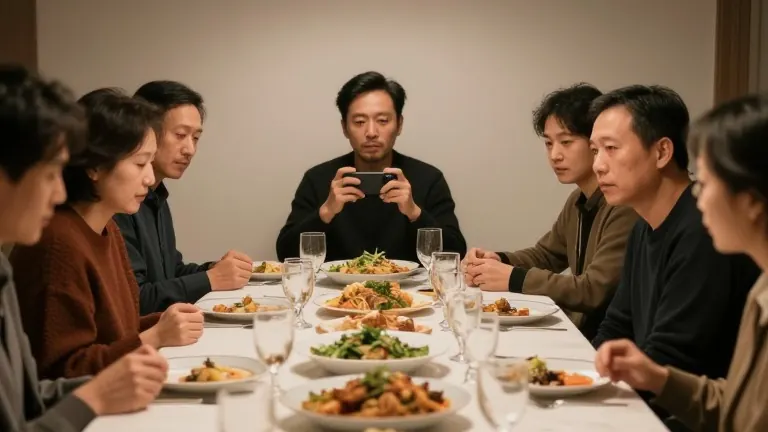
Shaya stated that he wants readers to use the recipes as a catalyst for family dinners, encouraging them to put away phones and discuss the stories behind the food.
One chapter details the experience of Roddie Edmonds, a U.S. Army master sergeant captured during the Battle of the Bulge. Edmonds was posthumously awarded the Congressional Medal of Honor this year for refusing to hand over his Jewish troops to German concentration camps.
While imprisoned in a German POW camp, Edmonds and other soldiers coped by discussing the meals they missed from home, such as spaghetti sauce and hot cakes.
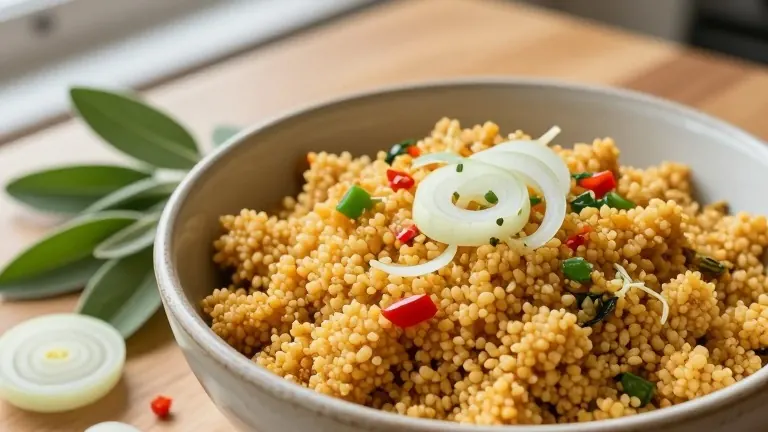
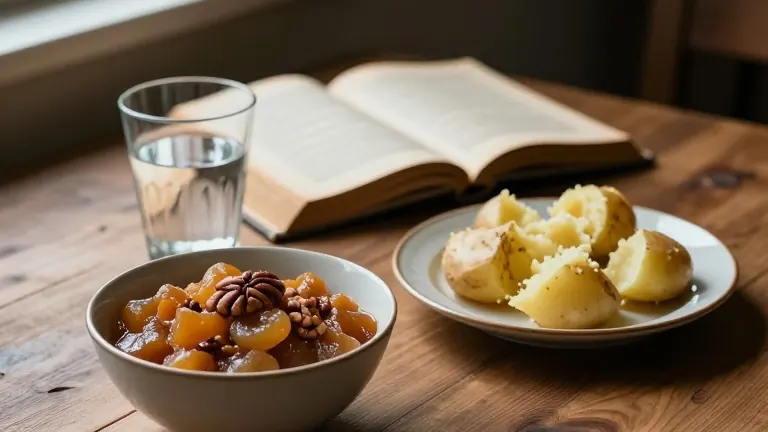
The prisoners planned a fictional restaurant called the Jolly Chef, where they imagined serving dishes like candied yams with pecans and whipped marshmallow. Shaya included that specific recipe in the book, noting that the act of planning the meal helped the soldiers maintain their hope for freedom.
Another section focuses on Polish partisan fighters who operated from underground bunkers. These resistance members sabotaged Nazi infrastructure by derailing trains and destroying ammunition plants.
Shaya included a recipe for smashed potatoes flambéed in vodka to reflect the partisans' use of alcohol. He explained that vodka served as a form of currency and a tool for celebration within the group.
The book also covers other groups, including Hungarian Jews whose non-Jewish cook saved their family cookbook before they were sent to Auschwitz, and a French village that hid Jewish children from Nazi forces.
Additional chapters feature Navajo code breakers and Japanese American prisoners who were held in U.S. military-style camps despite being convicted of no crimes.
June Hersh, a food historian who collaborated with Shaya on the project, described the act of remembering recipes as a form of resistance. She noted that preserving food memories allowed individuals to maintain a sense of triumph amidst tragedy.