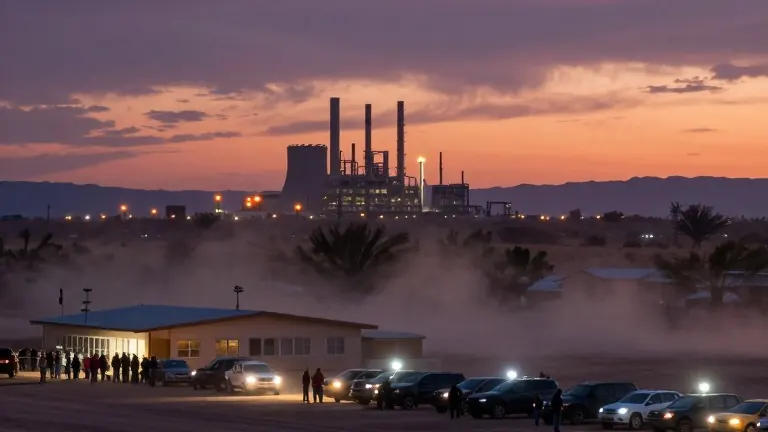
Levin pushes to move 3.55 million pounds of nuclear waste from San Onofre
New railcar testing and state interest in hosting facilities aim to accelerate the removal of spent fuel from the shuttered California plant.
By Lorenzo Marshall ·
The San Onofre Nuclear Generating Station in California currently stores 3.55 million pounds of spent nuclear fuel and debris in canisters on the coast. Representative Mike Levin of San Juan Capistrano stated on Wednesday that recent developments offer a path to move this material to a permanent location. The plant, operated by Southern California Edison, is undergoing an eight-year dismantlement process.
Levin cited two primary factors driving recent momentum. The U.S. Department of Energy signed memoranda of understanding with five states, including Idaho and Utah, to consider hosting nuclear lifecycle innovation campuses. These facilities are designed to manage the nation's full nuclear fuel cycle, which includes finding disposal sites for the 95,000 metric tons of radioactive waste accumulated across 35 states.
On the transportation front, the Atlas Railcar System is nearing the completion of its certification tests. This specialized 12-axle railcar is designed to ship heavy casks of spent fuel. A final cross-country test run is scheduled for around April 2027. If successful, the railcar could transport a canister from the North Anna Power Station in Virginia to the Idaho National Laboratory in the third or fourth quarter of next year.
Levin argued that these moves address the two main obstacles to waste removal: finding a willing host and ensuring safe transport. He contrasted this approach with the federal government's 1987 approval of the Yucca Mountain site in Nevada, a project that received $15 billion in funding before the Obama administration withdrew support in 2011. Levin pointed to Finland's consent-based model for its Onkalo repository, which is scheduled to open at the end of 2026, as a successful alternative.
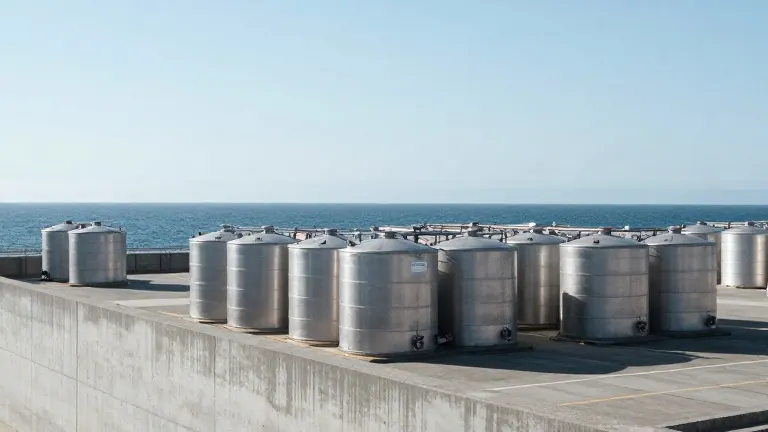
The specific waste at San Onofre is stored in two facilities at the north end of the plant, approximately 100 feet from the Pacific Ocean. One site holds 73 stainless steel canisters in vertical cavities, while the other contains 50 canisters stacked horizontally. An additional 13 canisters holding material from dismantlement efforts are also in the horizontal facility. Levin released a 19-page report on the site last week.
Legislative efforts are also underway to change how waste is prioritized for transport. Levin is advocating for the Spent Fuel Prioritization Act, which would give priority to waste at decommissioned sites near large populations with seismic risks, such as San Onofre. Under the current system, the oldest fuel is moved first. Levin noted that San Onofre's waste falls in the middle of the queue, which could delay removal by two or three decades.
Levin estimated that the first canister from San Onofre could be moved toward the end of the 2030s if current plans succeed. Without the prioritization legislation, he warned that removal could not occur until the 2050s. To date, crews at the plant have removed 54 of 66 structures and shipped more than 750 million pounds of waste off-site.
Source: The San Diego Union-Tribune
More Business · Watch Your Wallet · Report a business · Got a Story?