Bolivia: President signs decree to free up resources for El Nino crisis
The measure authorizes additional rescue deployments as drought affects 78,000 families and floods continue to threaten the Santa Cruz region.
By Lorenzo Marshall ·
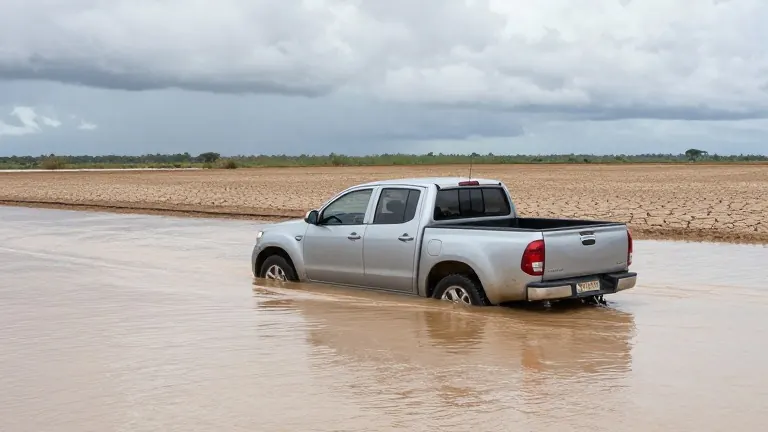
Bolivia declared a nationwide state of emergency on Saturday to allocate additional resources for managing the effects of the El Nino weather phenomenon. President Rodrigo Paz signed the decree, which also mandates further deployments of rescue teams to areas severely impacted by both flooding and drought. Paz stated that the current cycle will bring very severe impacts, necessitating cooperation from all government institutions.
A government report released this week indicates that drought conditions are currently affecting 78,000 families across six of the country’s nine departments. The dry weather has also resulted in the loss of more than 75,000 cattle. While drought dominates the current crisis, Bolivia remains vulnerable to heavy rainfall. In December 2025, floods in the Santa Cruz region killed dozens of people, a pattern that officials fear will recur as the weather cycle intensifies.
The El Nino event is a natural climate cycle that typically occurs every two to seven years. Warming in the Pacific Ocean during this period alters global wind, pressure, and rainfall patterns, often leading to extreme weather. The intensity of this specific cycle is under close observation because it could be the strongest recorded to date. Scientists note that while impacts vary by geographic location, the global consequences are substantial.
Neighboring regions are experiencing similar effects. Santiago, the capital of Chile, recorded its rainiest October on record. In Peru, wildfires killed at least 12 people last month. These regional events illustrate the widespread nature of the weather shift affecting South America.
Meteorological agencies predict that El Nino will peak at the end of 2026, with impacts potentially lasting well into 2027. The World Meteorological Organization reported in early September that there is a nearly 100 percent likelihood the phenomenon will continue through February 2027. Global estimates suggest the cycle could cause more than 450,000 deaths, with the poorest nations facing the greatest risk.
Source: Al Jazeera