GOP Senate Leaders Stall on Thune Vote After Midterm Defeat
Senators delayed a leadership election following a loss of at least seven seats, with members debating whether to retain the current chair or seek a new direction.
By Lorenzo Marshall ·
Senate Republicans failed to select a new floor leader on Tuesday morning, leaving South Dakota Sen. John Thune’s future in the party’s hands as they process a severe midterm election defeat. The caucus spent two hours in a closed-door session but left without a resolution, planning to reconvene in the afternoon to finalize the vote.
The delay comes one week after the party lost its majority in the Senate. The defeat cost the Republicans at least seven seats, a result that has triggered internal debate over whether the current leadership team should remain in place. While Thune is expected to be reelected in the secret ballot, the lack of an immediate decision signals a period of reassessment for the minority party.
West Virginia Sen. Jim Justice described the atmosphere as one of caution. He stated that the group wants to be thoughtful and do the right thing. Justice noted that while no obvious alternative had emerged, there is a legitimate argument for changing leadership after such a heavy loss. He also defended the current team, saying they did not cause the problem and do a good job.
Some members pushed to postpone the election entirely. Wisconsin Sen. Ron Johnson circulated a letter asking for a delay so the conference could engage in real soul-searching. He acknowledged that no one else is currently on the ballot, joking to reporters that part of the problem is that few want the job. Missouri Sen. Josh Hawley also advocated for waiting, arguing that rushing to ratify the same leadership sends the wrong message.
Hawley told reporters that he is not aware of anyone else running for leader but suggested that candidates might emerge if the vote were delayed. He questioned the logic of keeping the status quo after losing a minimum of seven Senate seats. Hawley characterized the morning’s discussion as frank and honest, noting that members discussed their individual election results, both wins and losses.
Thune, who took the role in early 2025 after replacing Mitch McConnell, has been listening to colleagues rather than making his case yet. Before the meeting, he promised a fulsome conversation about the path forward. He is expected to emphasize his collaborative approach and point to accomplishments such as tax and spending cuts legislation and efforts to streamline the annual spending process.
The leadership question is complicated by the ongoing relationship between Thune and President Donald Trump. Thune has managed to back the president on most policy while refusing to scrap the filibuster to pass a voting bill requiring proof of citizenship. That position frustrated Trump but Thune maintained the role. Trump called Thune a very fine man on Monday and left the election to the Senate.
Oklahoma Sen. Jim Lankford said there is widespread support for Thune among Republican senators. He argued for holding the elections on Tuesday because many new senators are already in Washington for orientation. Lankford described the leadership role as complicated and noted that no one wants the job. South Dakota Sen. Mike Rounds said most senators are ready to move forward and have leadership in place.
Two additional Senate races in Alaska and Mississippi remain uncalled, which could further change the partisan math. Democrats, who may hold up to 56 seats, are also debating their leadership. New York Sen. Chuck Schumer faces potential challenges from Maryland Sen. Chris Van Hollen and Michigan Sen. Elissa Slotkin, though neither has announced a run. New York Sen. Kirsten Gillibrand predicted Schumer will win enough support to remain leader.
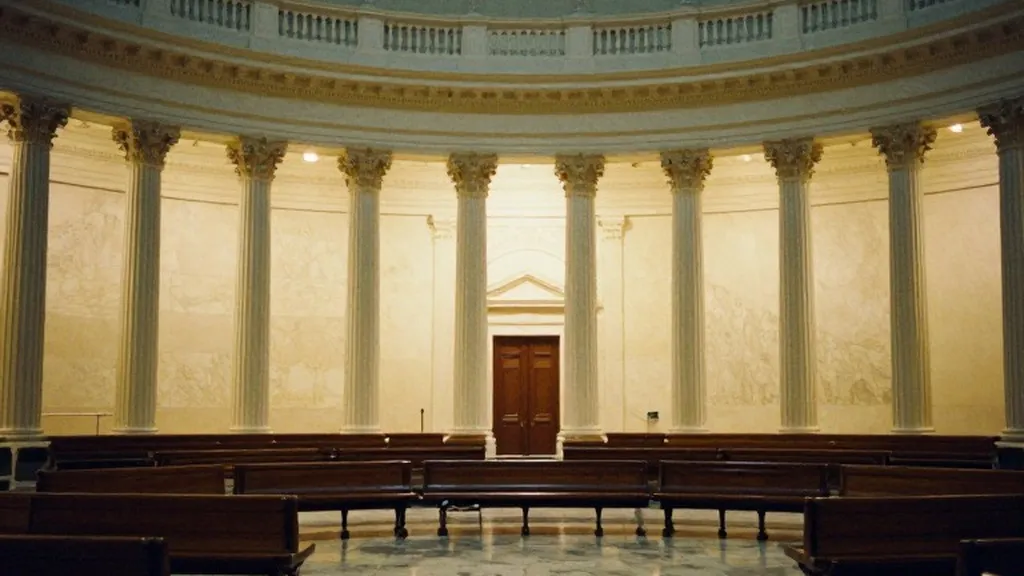
The leadership elections are held in the Old Senate Chamber. Senators will return to the floor in the afternoon to determine if they will proceed with the vote or seek a formal postponement. The outcome will set the tone for the party’s strategy as it enters a minority position and works with Democrats on issues like government funding and energy permitting.