2026 Midterm Results: Democrats Control Congress as Voting Logistics Take Center Stage
Voters navigated complex ID rules and mail ballot timelines to elect a new majority, marking a significant shift in federal power.
By Harper Foster ·
Midterm elections took place on November 3, 2026, for federal, state, and local offices across the country. The results have confirmed a significant shift in the balance of power in Washington. Democrats won majorities in both the U.S. House and the Senate. They picked up at least 43 House seats and seven Senate seats. All of these Senate seats were previously held by Republicans. The House gains included 42 seats previously held by Republicans and one seat previously held by an independent.
As of 4:00 PM Eastern Time on November 6, 2026, Democrats hold at least a 250-157 majority in the House. They also hold a 54-44 majority in the Senate. These numbers reflect the final tallies for the majority of contests. The results indicate a strong performance by the opposition party. This outcome places the 2026 election in the top 20 percent of election years in terms of seat swings against a president’s party. This threshold is often defined as a wave election.
The logistical aspects of voting played a critical role in ensuring high participation. Voters in all 50 states followed specific poll hours that varied by jurisdiction. Many states required voters to present specific identification documents at the polls. The rules for acceptable ID ranged from driver’s licenses to utility bills. These requirements were clearly communicated to the public through official channels. The goal was to make the process as accessible as possible for all eligible citizens.
The website Vote.gov served as a central hub for voter information. It provided detailed guidance on registration deadlines and early voting locations. The site also offered tools for checking the status of mail ballots. This resource was particularly useful for voters who preferred to cast their ballots from home. The integration of digital tools with traditional polling places helped streamline the process. Voters could easily verify their registration status before heading to their assigned location.
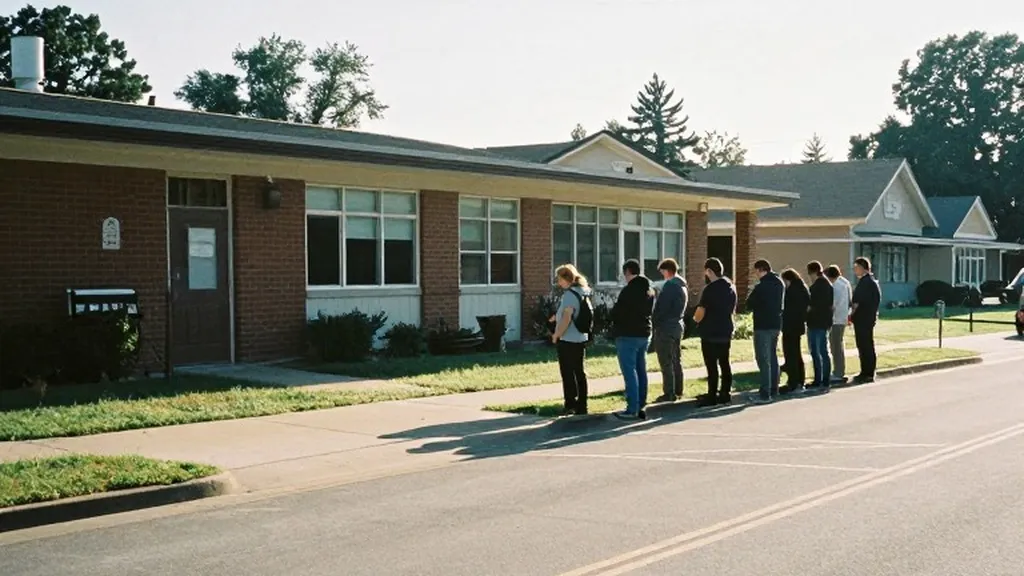
Waiting in line was a common experience for many voters on election day. Long lines formed at polling stations in several high-turnout areas. The Postal Service worked to ensure that mail ballots were counted if they were postmarked by the deadline. This requirement provided a safety net for voters who faced unexpected delays. The coordination between local election offices and federal postal services was essential to the process. It ensured that every valid ballot was accounted for in the final count.
Democrats won a plurality of state government trifectas and state legislative chambers. They also won a majority of governorships for the first time since before the 2010 elections. This broad sweep of victories indicates a strong mandate from voters at the state level. The results in state races mirrored the federal trends. Voters consistently chose Democratic candidates in key governorships. This shift in state leadership will influence policy and legislative agendas across the country.
The net loss of at least seven U.S. Senate seats for Republicans was a decisive factor. This margin secured Democratic control of the upper chamber. The House results also favored Democrats, although the net loss of 42 seats was short of the 48 seats needed to qualify as a wave election in that chamber. Uncalled races could still change this total. However, the current numbers suggest a solid majority for Democrats in the lower chamber as well.
Voters engaged with the election through a mix of in-person and mail-in voting. The practical details of how to vote were front and center in the days leading up to November 3. Understanding the specific ID rules in each state was crucial for first-time voters. Many voters checked their status on Vote.gov to avoid confusion at the polls. The emphasis on clarity and accessibility helped reduce barriers to participation.
The Postal Service’s role in handling mail ballots was a key component of the election infrastructure. Deadlines for postmarking and receiving ballots varied by state. Voters needed to be aware of these specific timelines to ensure their votes were counted. The system was designed to accommodate both early and same-day voters. This flexibility allowed citizens to find the most convenient way to participate in the democratic process.
Looking ahead, the new Democratic majorities in Congress will begin organizing for the upcoming session. The party now holds the power to shape legislative priorities. The results of the 2026 midterms represent a clear signal from the electorate. Voters have chosen a new direction for federal leadership. The transition of power in Congress will be a focus for political observers in the coming months.
The election process concluded with a comprehensive review of all ballots. Every state completed its certification of results by November 6. The final tallies reflect the will of the voters. The combination of rigorous ID rules, clear communication through Vote.gov, and efficient mail ballot processing ensured a smooth election. The 2026 midterms stand as a testament to the resilience of the voting system in a complex political landscape.