RTD A-Line Fare May Hit $14, Adding $6M Annual Revenue
The agency seeks to close budget gaps by raising airport transit costs, though riders argue the hike undermines affordability against rideshare options.
By Harper Foster ·
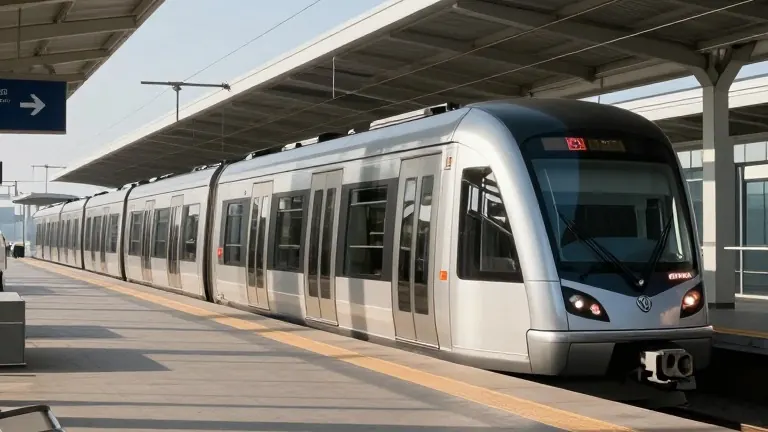
The Regional Transportation District is considering raising the price of its A-Line airport service from $10 to $14. This potential four-dollar increase aims to generate between $2 million and $6 million in additional annual revenue.
On Tuesday, an RTD committee voted four to two to advance a study on the proposal. The vote clears the way for a full board review scheduled for December 1. If the study is approved, RTD will assess the impact on riders before finalizing any fare changes.
RTD staff data shows that airport fares currently generate approximately $15 million, representing about 25% of the agency's total fare revenue. In 2025, riders purchased 1.48 million airport passes. The proposed rate would align the daily pass cost closer to other transit alternatives, though it remains lower than the $45 Uber fare or the $20 daily parking fee at Denver International Airport.
Executive Manager Jack Kroll argued that demand for the A-Line is price-insensitive. "Folks that are traveling to the airport are probably going to be traveling to the airport regardless of the fare RTD charges on that route. Raising or lowering it does not necessarily have an impact on ridership," Kroll told the committee.
Riders and some board members questioned that assumption. Margarita Lopez, an RTD rider, noted the trip often requires multiple transfers. "It's a lot for the trip. We have to take two or three connecting things to even take the A-line. Then we'd have to consider and weigh if it's going to be worth the money," Lopez said. She expressed concern that the increase could make the service less financially responsible for regular users.
District A Director Chris Nicholson proposed adding group discounts to help the fare compete with rideshare apps. "While it may be a reasonable thing to take RTD to the airport as a single person, if the other option is going with three or four friends in a car, even an Uber is going to be cheaper," Nicholson said. A staff report also indicated that monthly pass prices and EcoPass programs used by over 8,000 airport employees could be affected by the change.
If the board approves the study on December 1, RTD will proceed with the impact review. The new fare structure would not take effect until May or June of next year.