Low-cost fixes help seniors stay home
Experts advise checking for trip hazards and installing simple sensors to prevent falls in elderly households.
By Lorenzo Marshall ·
Household adjustments costing little to no money can reduce the risk of falls for older adults living alone. Tara Ballman, executive director of the National Aging in Place Council, identified specific areas in the home that require immediate attention to maintain safety. These changes range from removing physical obstacles to updating lighting fixtures.
The first priority is identifying trip hazards. Ballman noted that throw rugs often become unstable over time, with their edges curling up. She advised homeowners to inspect rugs, electrical cords running to lamps, and shoes piled near entryways. Clutter left by pets or robot vacuums also contributes to the risk. Ballman suggested that individuals take a fresh look at their living spaces to spot these dangers, a process that requires no financial investment.
Lighting represents the second critical area for improvement. Aging eyes respond differently to light sources, often requiring brighter illumination in certain rooms. Conversely, light that is too intense can create glare, which presents its own safety risks. Ballman recommended reviewing lighting levels to ensure they are balanced for the resident's visual needs.
Long-distance caregivers should monitor specific routine changes in their loved ones. Ballman suggested asking whether an elderly parent is sleeping in a bed or on a sofa in the living room. She also recommended checking if they are using a shower or resorting to sponge baths at a sink. These small shifts in daily habits can indicate that the home environment is no longer supporting the resident's needs.
Technology offers a way to monitor safety without installing surveillance cameras. Ballman described age tech as a set of affordable tools that help people remain in their homes longer. Options include door sensors that track how often a door opens, which can verify if a resident is letting pets in and out. Other devices include countertop medication dispensers that deliver doses on schedule. Smart toilet seats can measure blood pressure, heart rate, and oxygen levels based on posture. Pressure-sensitive grab bars and floor mats can also detect extra weight or a fall in the bathroom.
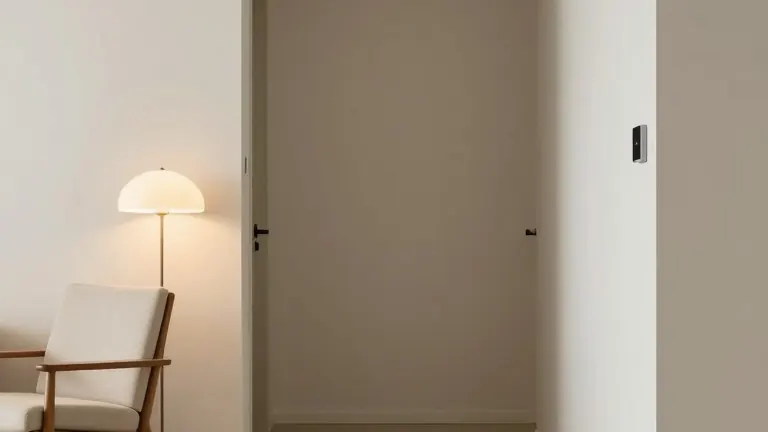
Gerontologist Sam Cradduck stated that the goal of these technologies is to preserve dignity and longevity while maintaining safety nets. Ballman emphasized that automatic lighting is essential for the path from the bed to the bathroom at night. She also recommended automatic sensors at doorways and on multiple levels of the home. These sensors should work with ceiling fixtures, floor lamps, and under-floor lighting.
Ballman encouraged families to discuss safety options before a crisis occurs. She advised individuals to research available solutions and payment options in advance. This preparation provides more choices when an accident happens, rather than forcing a decision under pressure. She described this approach as gaining power through knowledge, which helps families manage the situation effectively.
The program provides educational information and does not constitute medical advice. Individuals should consult a licensed physician for personal health concerns. The information serves as a guide for home safety adjustments but does not replace professional medical guidance.