Maine lobstermen face rising costs and political split ahead of midterms
Fuel prices and tariff disputes with Canada are squeezing fishermen while complicating a tight Senate race between Susan Collins and Troy Jackson.
By Lorenzo Marshall ·
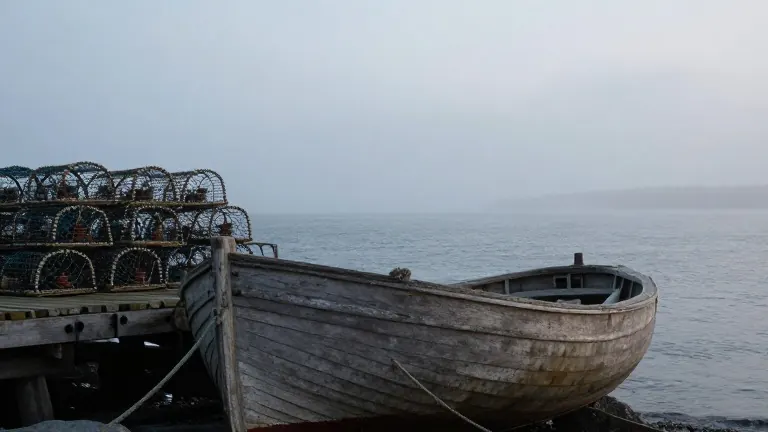
Maine lobster fishermen are grappling with soaring diesel costs and trade friction with Canada as the state prepares for Tuesday's midterm elections.
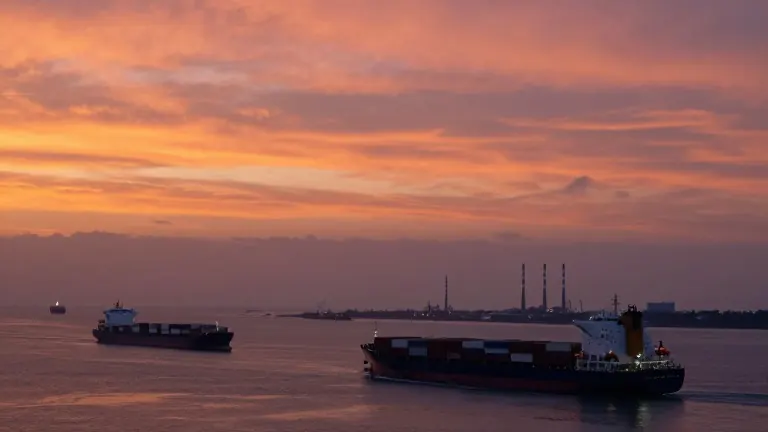
David Horner, a fisherman who has worked the North Atlantic off the Maine coast for 50 years, says the cost of fuel has more than doubled in recent months. Global diesel prices hit record highs in September, rising from an average of $3.08 per gallon before the US war on Iran began to $6.29 per gallon. This spike has increased the daily operating expenses for boats like Horner's, making it difficult to predict whether a day at sea will be profitable.
The lobster industry, which generated $461 million in 2025, is further strained by tariff disputes between Washington and Ottawa. In August, President Donald Trump imposed tariffs on $20 billion worth of Canadian goods, prompting retaliatory measures from Canada. Although seafood was later exempted from the retaliatory levies, the initial trade war disrupted supply chains. Approximately 60 percent of Maine's lobster catch is sent to Canada for processing into tails, meat, and bisque before some of the product returns to the US market.
Justin Snyder, a Democratic strategist who works in the Maine lobster industry, noted that the industry reacted strongly when the tariffs were first announced. He said the threat of tariffs raised fears among processors and fishermen, creating a noisy political environment in both states.
The economic pressures have intensified the Senate race between Republican incumbent Susan Collins and Democrat Troy Jackson. A recent CNN poll shows Jackson leading by four percentage points, while a Marist poll indicates a two-point lead, which falls within the margin of error. Collins has generally aligned with Trump on Senate votes, supporting his agenda in 92 percent of cases during his second term, which began in January 2025. However, she voted to overturn tariffs on Canadian goods in April 2025 and supported a resolution to end global tariffs later that month.
Jackson, a former Maine State Senate president, has criticized Collins for not doing enough to challenge the president's trade measures. During a recent debate, Jackson dismissed Collins's efforts to secure exemptions for products like road salt by stating, "We can't eat road salt." A spokesperson for Jackson described the tariffs as a tax on Maine families and small businesses, arguing that Jackson's experience along the border gives him insight into the economic relationship with Canada.
Tariffs on foreign steel and aluminum have also raised the cost of lobster traps, which are essential for fishing operations. On October 30, the administration removed 50 percent tariffs on certain Canadian goods, including machinery and packaging, ahead of the election. However, it extended tariffs to other items, including certain waste products. Maine Republican strategist Lance Dutson called the Canada tariffs a confusing policy, though he believed voters would not hold Collins personally responsible for the measures.
Longer-term trade dynamics are also affecting the industry. Canadian lobsters face a 7 percent tariff in China, a major global market, while Maine lobsters face a 17 percent levy. Snyder said this disparity gives Canadian competitors an advantage in foreign markets. Additionally, warming waters are pushing lobster populations farther north, potentially benefiting Canadian waters over time. Horner, who plans to vote for Collins, said he supports Trump's rollback of environmental regulations but remains frustrated by the high diesel prices and trade tensions. He stated, "The high diesel fuel is the biggest enemy of the fishing industry."
Source: Al Jazeera
More Business · Watch Your Wallet · Report a business · Got a Story?