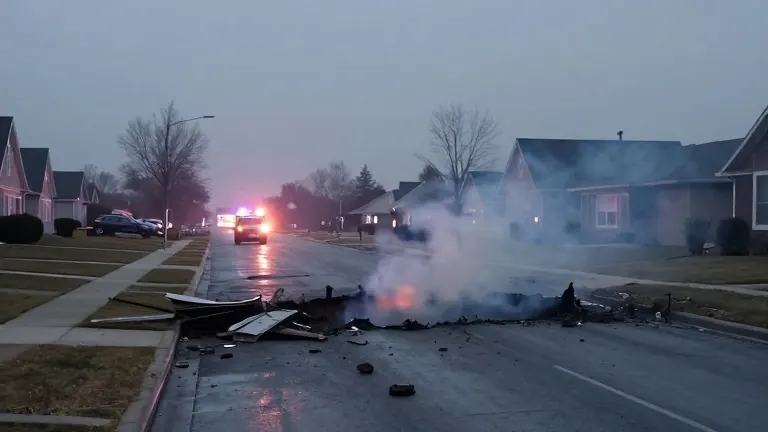
Flash Floods Force Evacuations in Southwest, Threaten Historic Crest in Colorado
Officials in Pagosa Springs warned of a potential 21.9-foot crest on the San Juan River, while communities in Arizona and New Mexico managed widespread evacuations and debris cleanup.
By Harper Foster ·
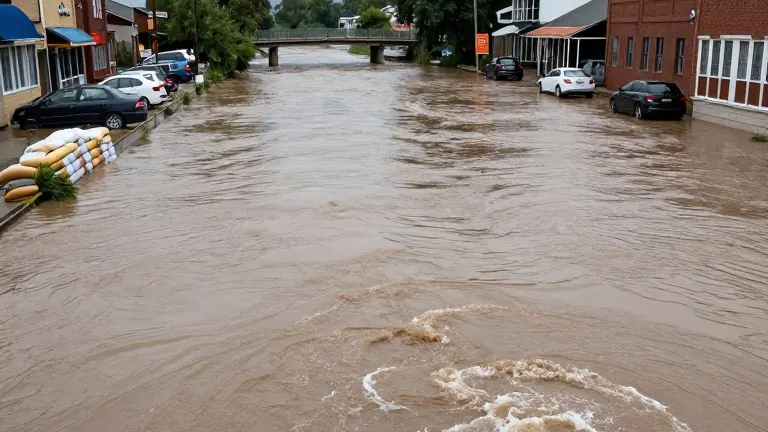
Severe weather systems moved across the Southwest on Sunday, triggering mandatory evacuations and flooding in Arizona, New Mexico, and Colorado. The storm systems delivered months of expected rainfall over a span of just a few days, overwhelming river basins and local infrastructure.
In Pagosa Springs, Colorado, authorities warned that the San Juan River could crest at 21.9 feet late Sunday night. Vicky Schaffer, a spokesperson for Archuleta County, noted that the 1911 flood that devastated the town reached a level of 17.8 feet. By sundown on Sunday, the river had already risen to approximately 14 feet. Officials closed roads into the town and urged residents in low-lying areas to move to a shelter at a local church.
The evacuation order in Pagosa Springs came just days after officials had lifted a previous warning. Katie German, owner of Bruin Coffee, reported that downtown areas were flooded and evacuated. She expressed concern that the single bridge into the town might wash out, which would prevent trucks carrying food and fuel from reaching the community. German stated that the town is a tight community where residents rely on one another during crises.
Across the border in New Mexico, the San Juan County Office of Emergency Management issued alerts for residents within a half-mile of the Animas, La Plata, and San Juan rivers. The office instructed people to move to higher ground as the San Juan River was expected to rise overnight. Elvira Arviso, a resident of Bloomfield, said she was prepared to leave her home, which sits just under a mile from the river. She recalled that recent floods had reached within 200 yards of her property.
In Arizona, mandatory evacuations were ordered in Sedona for residents near Oak Creek. Multiple people were trapped in their homes as water levels rose. Michelle Grimm, a longtime resident, said she had never seen neighborhoods completely submerged or helicopters rescuing people from areas. She noted that the creek was rising perilously close to a pedestrian bridge near the center of town. By Sunday afternoon, the heaviest rain had subsided in the Sedona area, but officials continued to monitor water levels.
Gila County ordered the total evacuation of Gisela, a small community of several hundred residents along Tonto Creek. In Tucson, flash floods and swift boat rescues were reported. Aaron Hardin, a meteorologist with the National Weather Service in Tucson, said the region was receiving two to three months of rain in a couple of days. The wet conditions also forced the closure of several highways across the state. Governor Katie Hobbs said state air rescue crews were assisting with rooftop evacuations and transportation crews were clearing debris.
New Mexico Governor Michelle Lujan Grisham criticized the federal response to the ongoing flooding. She urged the administration of President Donald Trump to authorize additional federal assistance, specifically funding from the Federal Emergency Management Agency. A presidential disaster declaration was issued last week, but it did not include FEMA public assistance funds that reimburse local and tribal governments for up to 75 percent of cleanup costs.
The governor’s office stated that FEMA funding was automatically approved in previous federal disaster declarations in New Mexico. Without that funding, counties and tribal governments are covering the costs of debris removal and emergency protection. At least 10,000 homes in San Juan County remained underwater following the initial floods, and records for river levels set more than a century ago were broken. State emergency officials warned that more flooding is possible as the weather systems continue to move eastward.