120 attacks on shipping spur Turkey's carbon and battery push
Turkey plans a national emissions trading system and battery storage upgrades before hosting Cop31 in Antalya in November.
By Aiko Petrov ·
Shipping disruptions in the Middle East have accelerated Turkey's push for renewable energy infrastructure.
The International Maritime Organisation recorded 120 incidents in the Strait of Hormuz and the Middle East this month. These attacks have affected approximately 20,000 seafarers, port workers, and offshore staff. The Washington Institute for Near East Policy logged 28 confirmed attacks in October and 113 since the US-Israeli war with Iran began on 28 February. The strait serves as a critical route for oil and liquefied natural gas, making its stability vital for energy-importing economies.
Turkey will host the United Nations climate summit, Cop31, in Antalya from 9 to 20 November. Ahead of the event, Ankara is implementing a local carbon trading system and expanding renewable electricity supplies. Energy Exchange Istanbul, or Epias, reported that the country's installed electricity capacity reached 127.3 gigawatts as of 10 October. Renewable sources account for about 62 percent of that total.
Taha Meli Arvas, Epias's chief executive, stated that the next major step is improving battery storage capacity. He explained that the goal is to use stored energy to help renewable sources become baseload. Epias also operates YEK-G, a guarantee-of-origin system that issues and trades certificates linked to renewable electricity production. These certificates allow businesses to document the renewable electricity they purchase.
Turkey is establishing a national emissions trading system that will allow covered companies to trade allowances linked to greenhouse gas emissions. The system will be piloted in 2026 and 2027. The year 2026 serves as a monitoring period where companies must report emissions but will not be required to surrender allowances. The price mechanism will take effect in 2027. Mustafa Aydin, Epias's deputy general director for environmental and minerals markets, noted that participating industries could use revenues from the system to support their transition investments.
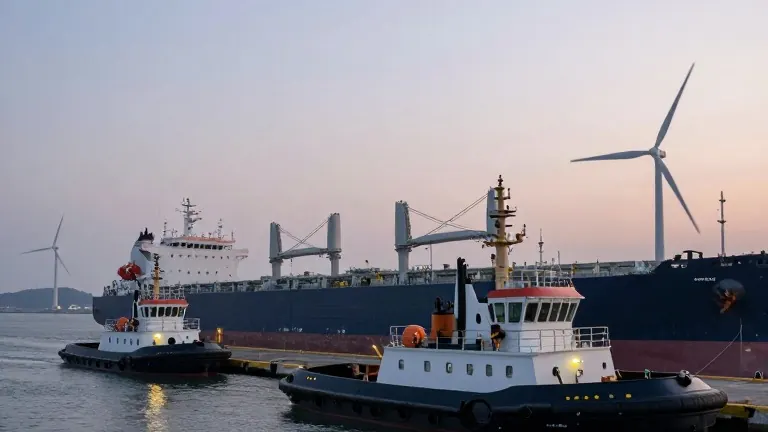
These measures prepare Turkish exporters for the European Union's Carbon Border Adjustment Mechanism. Manufacturers that cannot provide reliable emissions data or demonstrate the carbon embedded in their products may face higher compliance costs. Arvas said Epias is helping domestic companies understand these new requirements. In the maritime sector, Navtek naval technologies in Tuzla has four operational zero-emissions, battery-powered harbour tugboats. These vessels reduce direct exhaust emissions and noise during port operations.
The Zero Waste Foundation, established in 2023, is promoting initiatives focused on food waste, methane reduction, and resource efficiency. Its president, Samed Agirbas, is working to connect cities, businesses, and investors with the climate process. The foundation proposed an Istanbul platform to link zero-waste projects with financing and track commitments made around Cop31. In the Fethiye-Gocek protected area, a digital system maps buoys and moorings to protect seagrass meadows that store carbon in biomass and sediments. The area is home to sea turtles, dolphins, and Mediterranean monk seals.
Source: Middle East Eye
More Business · Watch Your Wallet · Report a business · Got a Story?