UNLV Football Installs Red Light Chambers To Reduce Injuries
Four new units in the training room aim to warm tissue and cut muscle soreness, with the program reporting a lower injury rate since installation.
By Lorenzo Marshall ·
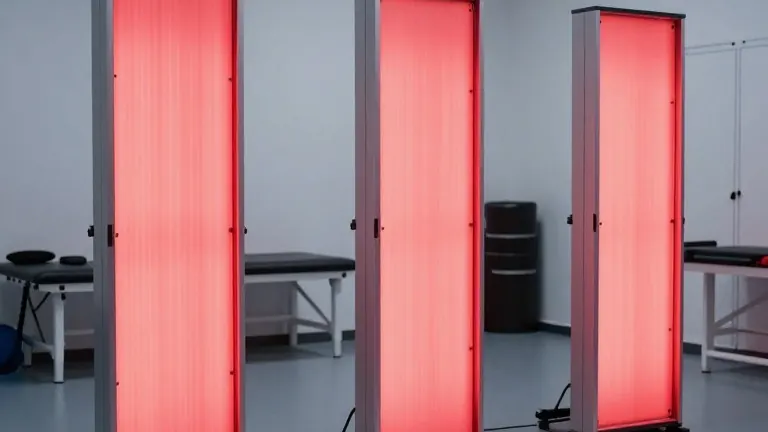
UNLV football has integrated red light therapy chambers into its daily routine, aiming to reduce the frequency of player injuries and accelerate physical recovery. The program installed four of the units in its training facility recovery room a few months ago. The goal is to keep athletes healthy enough to practice and compete consistently.
Head football athletic trainer Fred Donnell stated that the primary objective is injury prevention. He explained that warming up tissue before practice can lower the risk of harm. The team also uses the technology to address delayed onset muscle soreness following sessions. Donnell noted that warmer tissue entering the field is linked to better protective outcomes based on existing research.
Donnell reported a measurable decrease in the team's injury rate compared to the same period last year. He attributed this improvement to the benefits realized within the first four months of using the technology. The reduction in injuries has allowed more players to participate fully in practices, which Donnell described as a major positive for the squad's preparation.
The devices utilize red and near-infrared light through a process known as photobiomodulation. This method is designed to support healing and recovery processes in the body. While the technology has existed since the late 1960s, its application in collegiate football training rooms is a more recent development. A study published in the Journal of Neurotrauma by the University of Utah and BYU found that red light therapy can help protect football players from brain inflammation caused by repetitive head impacts.
The four therapy chambers cost $12,000 each. Private donations funded the purchase, allowing the program to implement the equipment without direct departmental budget allocation. Although the devices are not FDA-approved, the staff views them as a useful tool for their specific needs. Donnell said his staff is paid to ensure players return to the field safely and in a timely manner, and the technology supports that mission.
The football program is currently evaluating the use of red light helmets. This potential addition is under consideration as research in the field continues to evolve. Donnell expressed confidence that the technology will expand to more facilities if the research continues to back its benefits. He believes the trend will grow as more data supports the efficacy of photobiomodulation for athletes.
The implementation marks a specific shift in how the Rebels manage player health. The focus remains on data-driven recovery methods rather than traditional rest alone. The program will continue to monitor player response to the therapy. The current setup includes the four stationary chambers, which players access before and after training sessions.
Source: KVVU-TV