Sri Lanka's tallest wild elephant dies from gunshot wound
Kavantissa, a 45-year-old male standing 11 feet high, succumbed to a leg injury in October, illustrating the high human cost of the island's persistent crop raids and shrinking forest cover.
By Lorenzo Marshall ·
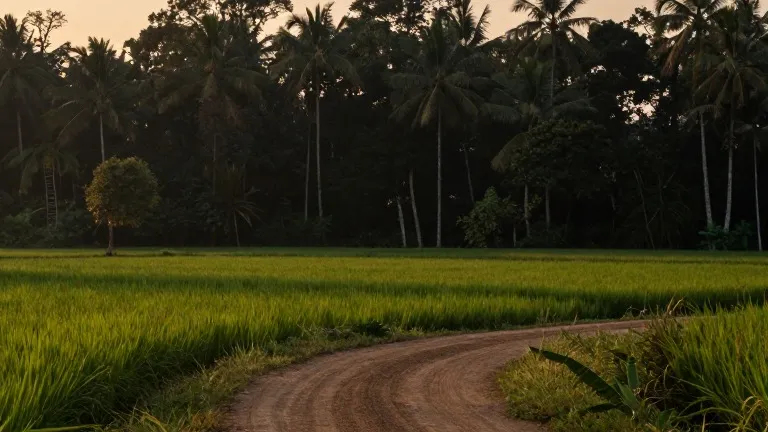
Sri Lankan farmers and residents lost Kavantissa, the country's tallest living male elephant, on October 16. The 45-year-old animal, who weighed approximately 5,500 kilograms and stood 3.3 meters tall, died after veterinary surgeons failed to treat a gunshot wound to his right leg. His death underscores the physical toll of the island's most persistent wildlife conflict.
The incident followed a pattern of escalating tension in the Galgamuwa region of the northwest. Villagers first noticed the tusker limping in late September. A subsequent examination revealed the bullet entry point. Despite immediate medical intervention by veterinary teams, the elephant did not recover.
This loss is part of a long-term trend in Sri Lanka, which records the highest number of elephant deaths annually of any nation. The island also suffers the second-highest rate of human fatalities from elephant encounters globally. Official statistics indicate that since 2019, an average of 370 elephants and 125 people have died each year during these violent interactions. These clashes typically occur when animals move into agricultural zones to feed.
The pressure on these animals stems from rapid population growth and agricultural expansion. The rural population increased from 8.25 million in 1960 to 17.8 million by 2020. As land is cleared for farming, forest cover has declined. The Department of Wildlife Conservation estimated the wild elephant population at 7,451 in 2024. Approximately 70% of these animals now live outside protected areas. Each elephant requires about 150 kilograms of vegetation daily, a demand that drives them toward crop fields.
Ravi Corea, president of the Sri Lanka Wildlife Conservation Society, attributes the conflict to habitat loss and fragmented corridors. He notes that crop damage directly threatens the primary income of rural families, a factor that distinguishes the situation from wildlife conflicts in wealthier nations. Although a national action plan was drafted in 2020, Corea argues it requires a more comprehensive conservation strategy with enforceable habitat protections to curb the rising numbers.
Community-led interventions are attempting to address the immediate friction. In the Wasgamuwa region, Project Orange Elephant encourages farmers to plant citrus trees, which elephants tend to avoid, thereby reducing raids and providing extra income. Electric fencing is also being used to secure settlements and farmland. The "EleFriendly" bus service transports schoolchildren through designated corridors, a measure that has reduced dangerous encounters by more than 90% on its original route.
Kamal Shashendra, an environmental ethics researcher based in Sri Lanka, emphasizes that solutions must protect human livelihoods, human lives, and elephant populations simultaneously. He advocates for scientifically informed land-use planning, protected corridors, community-based fencing, and fair compensation systems for affected families to create a sustainable balance.
The Sri Lankan elephant is listed as an endangered subspecies on the IUCN Red List. National law protects the animals with fines and jail terms for wildlife offenses, yet they continue to be shot, poisoned, or killed by improvised explosives. The death of Kavantissa serves as a concrete example of the ongoing struggle to manage a population that holds about 10% of the world's Asian elephants on just 2% of their natural range.
Source: Deutsche Welle