Spain's 14.70 Euro Lunch Loses One Million Daily Diners
The fixed-price menú del día, a post-war staple, sees weekly sales drop to four million as inflation and modern work schedules erode the tradition.
By Harper Foster ·
A new study reveals that the average cost of Spain's traditional set lunch has risen to €14.70, a price point that is straining the budget of the country's working class.
The menú del día, a fixed-price meal consisting of a starter, main, dessert, and drink, remains a daily fixture in Spanish restaurants. However, sales have declined to approximately 4 million servings per weekday. This figure represents a drop from the peak consumption levels recorded in the early 2000s. The menu originated in the mid-1960s under the administration of Manuel Fraga, the information and tourism minister for dictator Francisco Franco.
Fraga introduced the concept to demonstrate to foreign tourists that Spain offered abundant and affordable food following the post-civil war shortages. The original regulations mandated a soup starter, a protein main course, and a fruit or cheese dessert. Prices were capped between 50 and 250 pesetas. The accompanying wine had to be Spanish, with a minimum alcohol content of 12%, to prevent restaurants from diluting the drink.
In the early 1970s, the government rebranded the offer to appeal to local Spaniards rather than just tourists. Today, many residents are unaware of this legislative origin. Lakshmi Aguirre, a Spanish food journalist who authored a book on the topic, noted that the public reaction to the name Fraga is often one of surprise. She described the menu as a cultural artifact that has mirrored the evolution of Spanish society for over half a century.
Economic pressures are the primary driver of the current decline. Rising energy and food costs make it difficult for small, family-owned establishments to maintain a rotating daily menu. Some restaurants have simplified their offerings to a single dish of the day. Others have incorporated Latin American ingredients to cater to changing demographics. Additionally, time constraints lead many workers to pack lunch from home or heat supermarket meals in office microwaves.
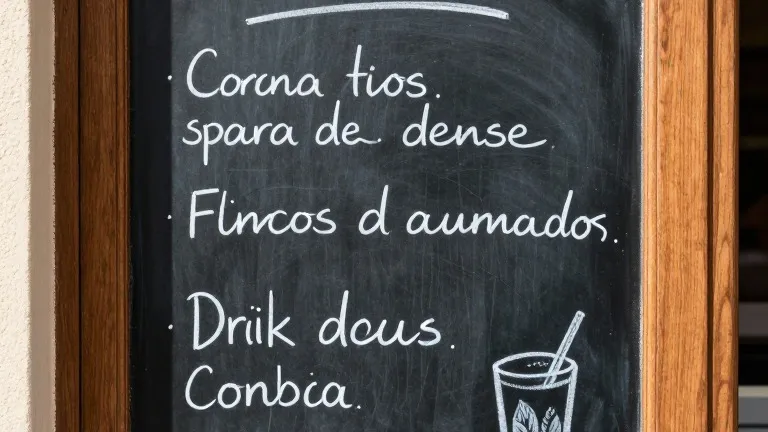
Aguirre observes that nostalgia for the tradition is increasing as the habit fades. She defines a high-quality menú by the presence of simple, non-frozen ingredients and a menu that changes frequently. She suggests that a chalkboard listing items such as avocado, burrata, or sourdough bread is a warning sign for traditionalists. Her ideal meal includes a vegetable stew, hake in green sauce, and rice pudding.
For Aguirre, the loss of the menú represents more than just a cheaper dining option. She describes it as a social meeting point where families with limited budgets can eat out and individuals living alone can find companionship. She argues that the value of the tradition lies in providing the time and space to enjoy a meal, a privilege that is diminishing for many.
The next step in the conversation involves how restaurant owners will adapt to these shifting economics. Some are already reducing portion sizes or raising prices to stay afloat. The future of the €14.70 menu will depend on whether small businesses can maintain their rotating offerings despite rising costs.
Source: The Guardian
More Business · World news · Watch Your Wallet · Report a business · Got a Story?