Rats stripped Southern California garden
A Huntington Beach gardener lost hundreds of freesia corms to urban wildlife over two years.
By Harper Foster ·
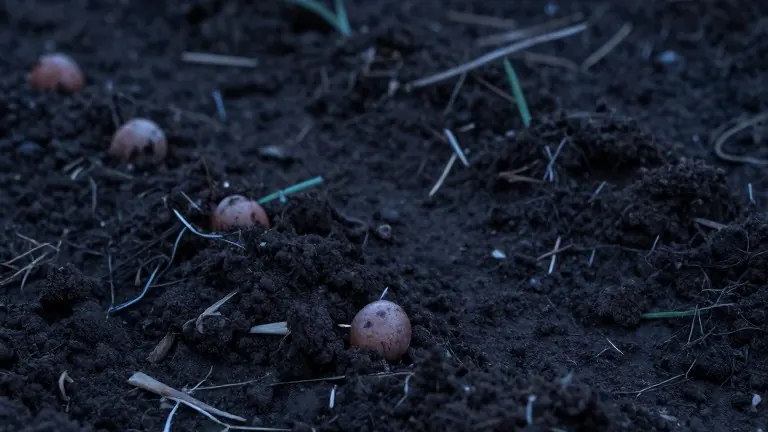
Hundreds of underground corms vanished from a Huntington Beach garden over the past two years. The culprits were rats, squirrels, and other urban animals that raided the beds nightly.
Dena, a local resident, planted freesia corms about four decades ago. She selected varieties in white, yellow, purple, red, and pink. Some blooms were double. She planted them close together to create a dense color display each season.
Over time, the plants cross-pollinated. New hybrid colors emerged, including pale yellow, lavender, and orange. Dena noted that yellow and purple were dominant genes. These colors appeared most frequently in the new hybrids.
The soil was poor. Dena described it as so low in quality that even weeds struggled to grow. She did not fertilize or mulch the area. Watering was minimal.
Two years ago, wildlife discovered the dormant corms. During the day, a hungry squirrel ate many of them. At night, a rat, opossum, raccoon, and possibly a skunk dug them up. Entire sections of the front yard were stripped bare.
Dena moved the surviving corms into pots in her backyard. She hoped the containers would protect the plants. The animals found the new location quickly.
Last year, a different problem appeared. A critter cut down the green shoots at night. It left half an inch of the stem sticking out of the soil. The plants spent weeks regenerating before being cut again. This cycle repeated for months.
The mature corms used up their stored energy fighting for survival. By the end of the growing season, they were nearly exhausted. The specific animal responsible was a rat.
Rats cut the shoots to sharpen their teeth. Their incisors grow continuously throughout their lives. Without constant sharpening, the teeth can curve into the jaw or skull. New shoots provide the resistance needed to file them down.
Dena uses a specific trap method to control the rats. She places a half-inch to three-quarter-inch piece of Slim Jim on the trigger. The meat stick must keep its wrapper attached. The scent and taste attract the rat reliably.
Urban wildlife populations have grown in Southern California. Droughts and fires have shrunk natural habitats. Animals that once lived in hills and canyons now seek refuge in residential areas.
The writer recently saw a large skunk in their backyard in broad daylight. Skunks are typically nocturnal. This suggests a change in local animal behavior or food sources.
Source: Inland Valley Daily Bulletin