Pope tells Argentina its worth is defined by how it treats disabled residents
Visiting a shelter in Buenos Aires, the pontiff offered a sharp critique of the current economic policies under President Javier Milei.
By Aiko Petrov ·
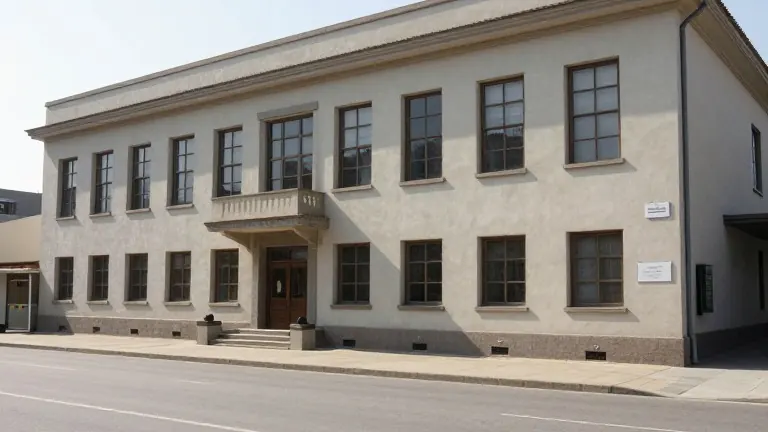
Visitors to the Cottolengo Don Orione in Claypole, a neighborhood in southern Buenos Aires, watched as Pope Leo XIV addressed the 410 adults with disabilities who live there. The visit took place on Monday, marking a key moment in the pontiff’s South American tour that began in Uruguay and will conclude in Peru. For the residents and their supporters, the message was direct: a country’s true progress is measured by how it welcomes those with special needs.
The Pope, who is 71, spoke to the residents and staff about the value of their lives. He stated that their existence is not a burden on society but a blessing. He argued that they help the rest of the country remember the foundation of human dignity and what truly matters in life. This commentary landed in a political environment where the treatment of disabled citizens has become a primary point of contention.
President Javier Milei has faced sustained criticism since taking office in December 2023. His administration’s austerity measures have led to cuts in services for people with disabilities. These reductions have fueled protests and served as a focal point for opposition to his economic strategy. The Church has also questioned the impact of these adjustments on the most vulnerable sectors of the population.
Efforts to stabilize funding for these services have involved negotiations between the Catholic Church, the ruling party, and opposition groups. These talks resulted in a bill designed to guarantee financing for disability benefits. The Chamber of Deputies approved the measure in October. It now awaits a final vote in the Senate.
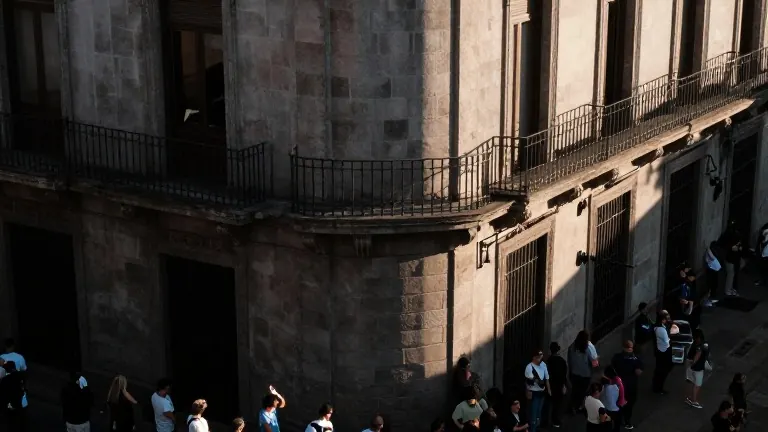
The atmosphere at the shelter was charged with emotion before the Pope arrived. Families and friends lined the route he would take through Claypole starting in the early morning hours. At the entrance to the facility, people embraced and waved flags of Argentina and the Vatican. A local band played in a nearby park, mixing religious songs with prayers to mark the occasion.
Among the crowd was Ana Trucco, a 22-year-old student who found faith through the writings of Pope Francis. She expressed hope that Leo XIV would continue that legacy by speaking to the humble and abandoned members of society. She described the Pope’s arrival as essential for addressing the current social divide.
Inside the facility, the Pope met with residents in an open-air setting. One resident, Marta Donato, shared her personal history with the Pope. Donato is 57 years old and has lived at the Cottolengo for 44 years. She suffers from rheumatoid arthritis. She told the Pope that she initially felt discarded and confused by her circumstances. She explained that she eventually understood the home was what she needed to fill the void she felt.
Pope Leo XIV responded by sharing a wish for the nation. He wanted Argentina to be capable of great works of charity, similar to what he observed at the Cottolengo. He expressed a desire for the love of Christ to triumph over individualism and exclusion. This sentiment resonated with many in the crowd who felt deeply divided.
Later that day, the Pope is scheduled to celebrate Mass in the Palermo neighborhood of Buenos Aires. Thousands of people began lining up in the early morning to gain entry. The crowd included many families with children. Groups of faithful arrived on buses organized by their parishes. In some areas, young people with guitars led the waiting crowds in singing and clapping.
Soledad Troncoso, a 67-year-old retiree, traveled from Wilde in the southern suburbs with her sister and neighbors. Standing on the edge of tears, she spoke about the need for unity in a divided country. She asked that the Pope’s words bring blessing to a nation that suffers greatly. Her remarks captured the sentiment of many who viewed the visit as a call for social cohesion.