Opium Shift: 9,000 Hectares of Poppies Identified in Balochistan
Satellite data and local testimony indicate a major relocation of poppy cultivation into Pakistan and Iran following the Taliban's 2022 narcotics ban.
By Harper Foster ·
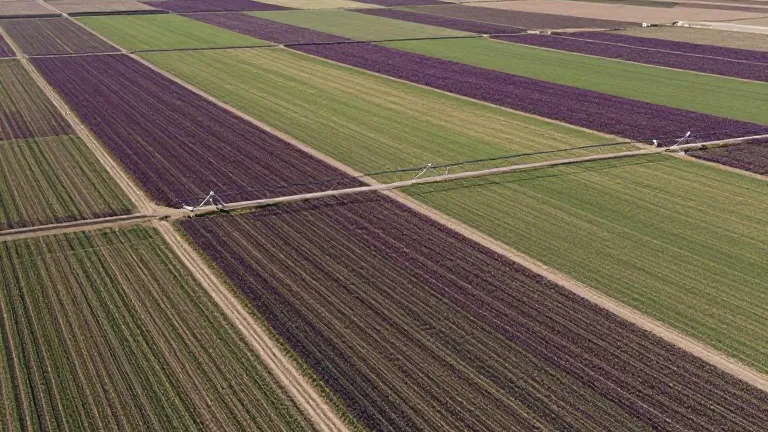
Satellite imagery from the British firm Alcis has identified more than 9,000 hectares of poppy cultivation in Pakistan's Balochistan province. The data, combined with interviews with local farmers, suggests that the center of global opium production is shifting away from Afghanistan and into the borderlands of Pakistan and Iran. David Mansfield, a UK-based expert on illicit drugs, stated that this migration has turned the remote tri-border area into a new global hub for opium production.
The expansion is concentrated in Pakistan's southwestern districts of Loralai and Killa Abdullah. Mansfield noted that cultivation in the region doubled in 2026. He warned that this rapid increase signals that much higher levels of production should be expected in 2027. Similar patterns are visible in Iran's Sistan-Baluchistan province, where satellite images show extensive fields, some utilizing expensive drip irrigation systems that indicate growers planned for long-term cultivation.
Afghan farmers from Kandahar and Helmand provinces are driving the growth by crossing the border to lease land. They bring capital and expertise, investing millions of Pakistani rupees in solar-powered wells. Lala Jan Kakar, a resident of Killa Abdullah, explained that traditional fruit farming has been devastated by drought and flash floods. He stated that the demand for poppies and the resulting income far exceed those from fruits, making the switch to opium difficult to resist.
Local officials in Killa Abdullah have offered conflicting accounts of the situation. Abdul Qahar Wadan, a former National Assembly member, alleged that cultivation is rampant and backed by senior military officials who take commissions. Monawar Hussain, the district's chief administrative officer, rejected this claim, citing a decline in crops after a recent eradication campaign. However, Alcis imagery from 2026 shows no clear evidence that the eradication efforts succeeded. One anonymous farmer alleged that growers plant poppies on barren land to allow authorities to destroy and publicize the effort when media pressure increases.
Pakistan's Interior Ministry and the provincial government did not respond to requests for comment. Islamabad has denied reports of widespread cultivation, insisting that any poppy crops found have been destroyed. The United Nations Office on Drugs and Crime estimated that opium production in Pakistan remains marginal, though the agency acknowledged that sharp rises in eradication figures point to spillover effects from the region.
Inside Afghanistan, the Taliban's 2022 ban has not eliminated production. Cultivation is rebounding in northeastern Badakhshan Province, which accounts for roughly half of national output, and in several southwestern provinces. Mansfield reported that southwestern cultivation almost doubled between 2025 and 2026. A recent directive barring home searches for poppy without a court order may encourage farmers to expand beyond their compounds, potentially leading to a dramatic rise in production in 2027.
Source: RFE/RL