NWS issues coastal flood advisory for Malibu beaches through Saturday noon
West-northwesterly swells are expected to create minor to moderate flooding in low-lying areas along the Los Angeles coast.
By Aiko Petrov ·
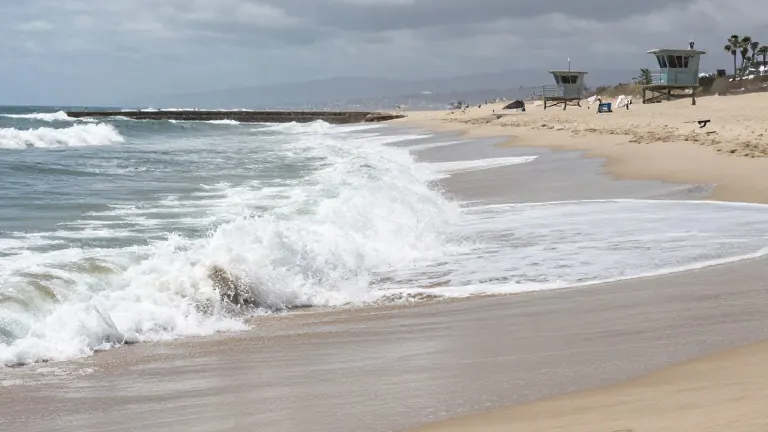
The National Weather Service issued a coastal flood advisory for Malibu and beaches across Los Angeles County on Friday at 5:35 p.m. The advisory covers Saturday, November 14, from 4 a.m. to 4 p.m.
Forecasters predict that a series of west-northwesterly swells will generate large surf conditions into the following week. The highest surf and greatest impacts are likely to peak on Saturday, with a potential secondary peak on Monday. The combination of large waves and high tides poses the greatest risk for flooding.
The service expects minor to moderate coastal flooding in normally dry areas. This may include beach parking lots, bike paths, and harbor walkways. Moderate to significant beach erosion is also likely during this period. While isolated damage is possible, it is not the primary expectation for the event.
Ocean conditions present specific hazards for those near or in the water. Rip currents pose an increased risk of drowning for swimmers and surfers. Large breaking waves can wash people off beaches and rocks and have the potential to capsize small boats near the shore. Rock jetties are identified as particularly dangerous locations during these conditions.
The NWS Los Angeles/Oxnard office distinguishes between different levels of flood alerts to help the public gauge the severity of the situation. A flood advisory indicates that flooding is expected but is not severe enough to warrant a warning. It suggests that residents should be aware of the conditions and take precautions to avoid inconvenience or potential threats to property.
A flood watch means that conditions are favorable for flooding to occur, but it is not guaranteed. A flood warning indicates that flooding is imminent or already occurring, requiring immediate action. A flash flood warning is issued for sudden, violent flooding that develops over minutes or hours, often in areas not directly receiving rain.
Officials advise residents to take necessary actions to protect property in flood-prone areas. Drivers should not go around barricades or through water of unknown depth. People should generally stay out of the water due to dangerous surf conditions, or remain near occupied lifeguard towers if they choose to enter the ocean.
The National Weather Service recommends that individuals in low-lying areas move to higher ground as a first step during flood events. Residents should adhere to evacuation orders and secure their homes before leaving. If time permits, disconnecting utilities and appliances can minimize electrical hazards.
Safety guidelines emphasize avoiding flooded basements or areas where water has submerged electrical outlets. If sparks or electrical noises are heard, occupants should evacuate immediately. People should never walk through floodwaters, as six inches of fast-moving water can sweep a person off their feet. Twelve inches of rapidly flowing water can carry away most cars.
The advisory remains in effect through Saturday afternoon, with the highest risk occurring when the largest surf overlaps with peak high tides.