Nvidia halts new AI chip sales to China despite prior US approval
Interim Nvidia CEO Colette Kress announced the company is no longer shipping Hopper architecture processors to China, reversing a strategy championed by her predecessor.
By Lorenzo Marshall ·
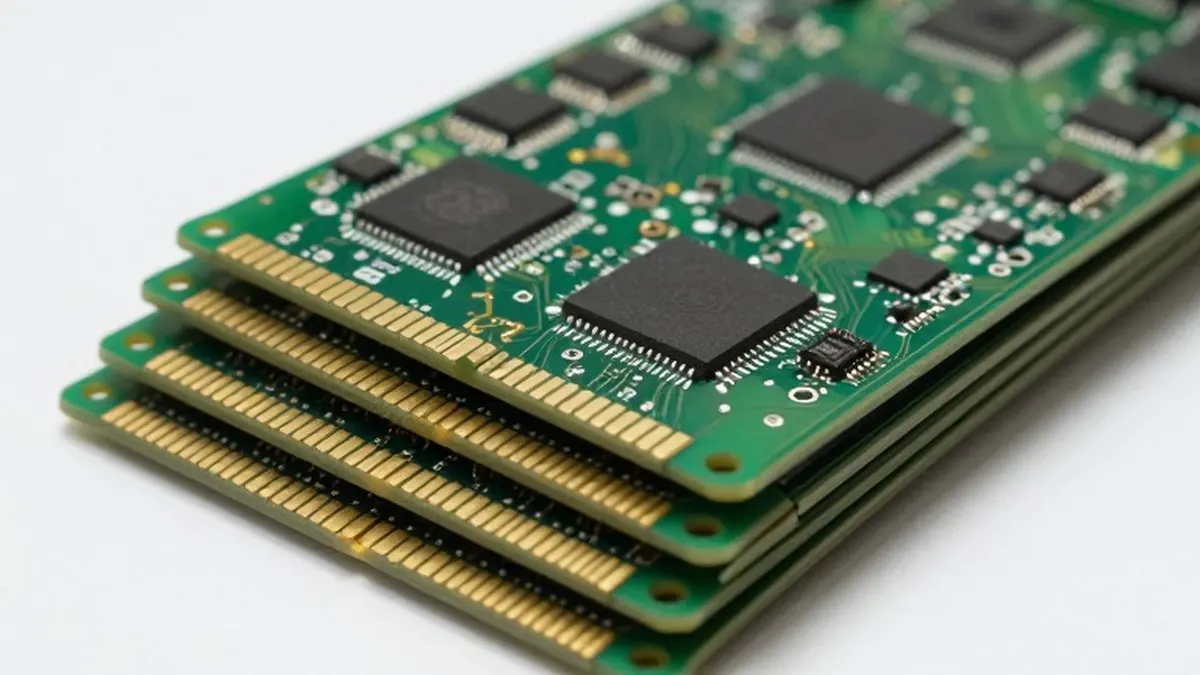
Nvidia has officially ceased selling its advanced artificial intelligence chips to the Chinese market. This decision marks a significant reversal in strategy, as the company had previously secured approval from the White House to conduct these sales in December of last year. The announcement was delivered by interim CEO Colette Kress during an earnings call on Tuesday, November 17, 2026.
Under the leadership of former CEO Jensen Huang, Nvidia aggressively lobbied for the right to ship its powerful Hopper architecture H200 chips to China. Huang viewed the Chinese market as a critical component of Nvidia’s global growth strategy. However, the new leadership is now taking a more cautious approach to its operations in the region.
Kress provided specific details regarding the current state of Nvidia’s inventory and shipments. She stated that the company’s financial guidance no longer includes any licensed Hopper data center products. Furthermore, she confirmed that Nvidia is no longer shipping these licensed Hopper products to China. The interim CEO did not offer a detailed explanation for why the company is stopping the flow of H200 processors. She also did not clarify whether Nvidia intends to pursue other forms of business with China in the future.
This strategic pivot follows a turbulent period for the company’s leadership. Huang stepped down from his position as CEO last week. His departure came after reports emerged regarding multiple extramarital affairs. One of these relationships was with a woman whom US intelligence agencies suspected to be a Chinese spy. The scandal added a layer of complexity to Nvidia’s already challenging relationship with Chinese buyers.
Even before the leadership change and the personal scandal, Nvidia faced difficulties in offloading its AI chips in China. Questions had been raised about the vetting process for Chinese companies. Specifically, there were concerns that approved entities were not being properly screened before being granted access to the sensitive H200 AI chips. This scrutiny intensified as geopolitical tensions rose between the two tech giants.
Logistical hurdles also played a role in the current decision. Reuters reported earlier this month that approximately 600,000 H200 chips were stuck in Hong Kong. These chips remained there because Beijing withheld approval for large-scale imports. The delay highlighted the friction in the supply chain and the regulatory hurdles facing US technology in the Chinese market.
The situation reflects China’s broader effort to reduce its dependency on US technology. By withholding import approvals and scrutinizing buyers, Beijing has signaled its desire to cultivate domestic alternatives. This strategy puts pressure on US chipmakers like Nvidia to navigate an increasingly complex and competitive landscape.
Nvidia’s decision to halt new sales of Hopper chips to China signals a shift in how the company manages its international operations. By removing these products from its guidance, Nvidia is adjusting its financial expectations to align with the current reality of the Chinese market. Investors will likely watch closely to see how this change impacts Nvidia’s overall revenue and its future positioning in the global AI chip market.
The announcement comes at a critical time for the semiconductor industry. As the race to develop superior AI hardware continues, the relationship between US and Chinese tech firms remains a focal point of global economic policy. Nvidia’s move suggests that even with US government approval, market dynamics and geopolitical risks can significantly influence corporate strategy.
While Kress did not specify a timeline for any potential return to the Chinese market, the immediate halt in H200 shipments is clear. This development may encourage other US technology firms to reassess their exposure to Chinese buyers. For now, Nvidia focuses on its remaining customer base while navigating the aftermath of its recent leadership transition.
More News · National news · Report a business · Got a Story?