Lebanon PM says proposal could preserve some UNIFIL duties after mandate ends
Nawaf Salam says France is preparing a resolution that would keep some peacekeeping functions operating while the Security Council considers a replacement.
By Lorenzo Marshall ·
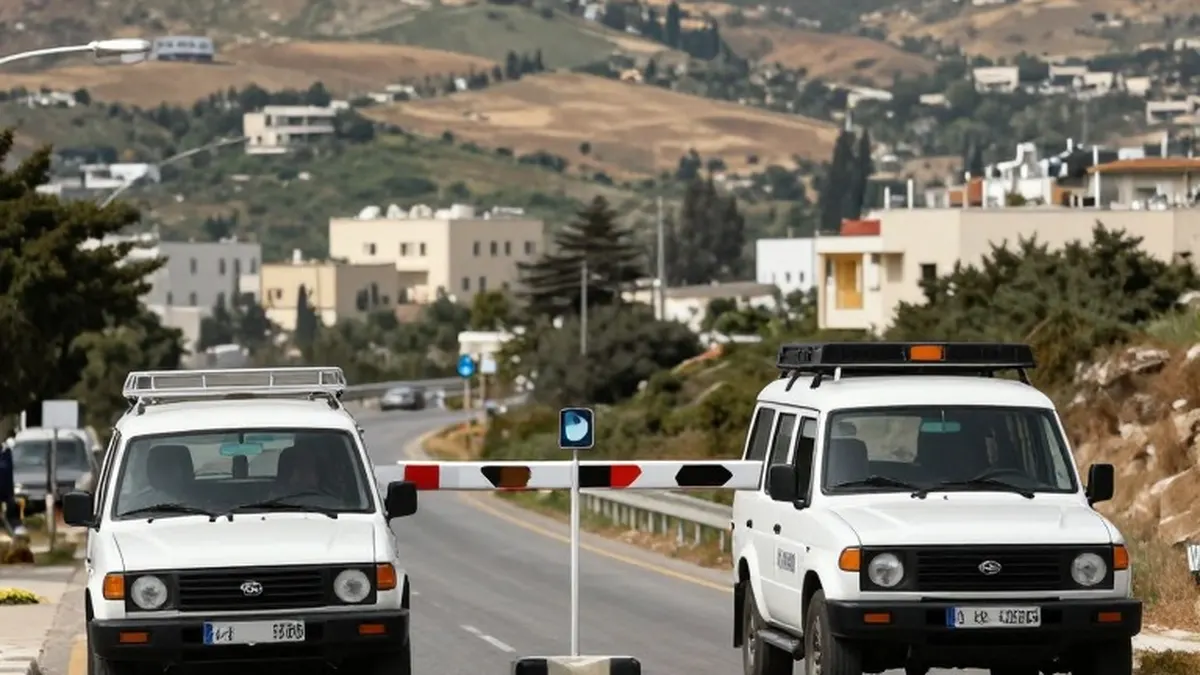
Lebanese Prime Minister Nawaf Salam said Friday that a proposal being developed could allow United Nations peacekeepers to retain some responsibilities in southern Lebanon after their mandate expires on December 31. The arrangement would provide additional time to negotiate what should follow the force, known as UNIFIL.
Speaking to The Associated Press at the government palace in Beirut, Salam said France was preparing a Security Council resolution to preserve duties including mine clearance, humanitarian convoy escorts and monitoring violations during the force’s withdrawal. He said American officials had signaled possible openness to the arrangement. France has not publicly addressed the proposal, but a Western diplomat familiar with discussions confirmed that a slower withdrawal retaining certain missions was among the options being considered to prevent a power vacuum.
The Security Council decided last year that UNIFIL’s nearly 50-year mandate would end in 2026, following pressure from the United States and Israel. Both argued that the force had failed to prevent Hezbollah from building up its presence in southern Lebanon. UNIFIL officials maintain that disarming Hezbollah was never their responsibility and credit the mission with helping keep the border region calm for 17 years before the Hamas-led October 7, 2023, massacre in southern Israel triggered a regional war.
About 7,500 peacekeepers remain deployed in southern Lebanon. Their departure is expected to take roughly six months after the mandate expires, with a year allowed for operations to end completely. Lebanese officials have sought either an extension or a replacement force authorized by the UN. American officials have indicated support for some international presence in a different form, suggesting a civilian force or private defense contractor. Salam insisted that any deployment must receive Security Council endorsement.
Israel invaded and occupied parts of southern Lebanon in March after Hezbollah resumed rocket attacks in response to the war launched by the United States and Israel against Iran on February 28. Hezbollah has rejected demands to surrender its weapons, while Israel says its forces will remain until the group is disarmed.
A June agreement between Lebanon and Israel envisages a phased Israeli withdrawal, the transfer of control to the Lebanese army and Hezbollah’s disarmament. Implementation has begun in some pilot areas, but progress has stalled in recent months. Salam rejected suggestions that the talks had collapsed, saying formal negotiations were paused because of Israel’s elections and uncertainty over its next government.
Salam said regional uncertainty was complicating planning. Israel is still working to form a government after last month’s elections, while the direction of the US-Iran war remains unclear. Although Lebanon’s government considers its negotiations with Israel separate from any agreement between Washington and Tehran, Salam acknowledged that their relationship directly affects Lebanon. Iran is Hezbollah’s principal supporter.
The prime minister said his government maintains communication with both Hezbollah and Iran but would not let Tehran determine Lebanon’s future. He said Hezbollah appeared increasingly reliant on Iran and continued receiving some military and financial support despite restrictions. Arms transfers through Syria have slowed since Bashar al-Assad’s ouster two years ago but have not ceased. With Hezbollah threatening resistance to forced disarmament and the Lebanese army proceeding cautiously, Salam said the government seeks to avoid confrontation while refusing to yield to intimidation.