Film revisits life of Maharashtra's Tamasha star Vithabai Narayangaonkar
The Bollywood musical Eetha brings Vithabai Narayangaonkar's career to the screen amid debate over how it represents the caste identity and struggles of the celebrated performer.
By Harper Foster ·
A Bollywood musical inspired by Vithabai Narayangaonkar, the Maharashtra folk theatre star whose devoted audiences sometimes paid even when she could not perform, is due for release on 4 December. Eetha stars Shraddha Kapoor and draws on Yogiraj Bagul's Marathi book about the singer, dancer and troupe leader, who died in January 2002 after decades of acclaim and financial hardship.
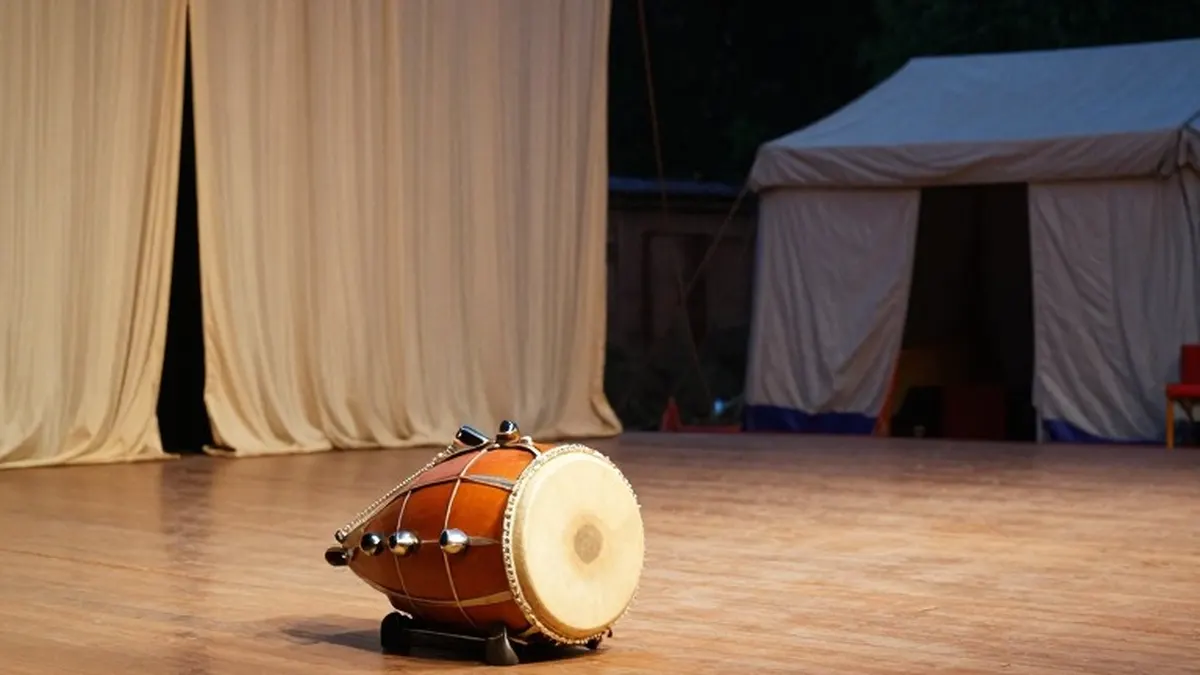
Directed by Laxman Utekar, the film revisits the world of Tamasha, Maharashtra's travelling folk theatre. The tradition grew from devotional poetry into performances combining music, dance, comedy and drama. Central to it is Lavani, whose songs can move from bawdy humour to political commentary, accompanied by the dholki percussion instrument. Kapoor, who had no previous experience performing Lavani, trained with musical anklets weighing 4kg each.
Vithabai's commitment to performing became part of her legend. Her daughter, veteran folk artist Mangala Bansode, told BBC Marathi that during a show in Shikhar Shingnapur in the 1960s, Vithabai went into labour and withdrew to a makeshift tent while the troupe continued. As spectators called for her, she returned carrying her newborn son, her seventh child. The astonished audience left, saying they would see her perform another time.
Born in 1935 during a Tamasha performance herself, Vithabai came from a family with generations of experience in the art. She entered a theatre group aged eight and joined her father's troupe at 13. After her father Bhau and his fellow troupe leader Bapu died in close succession, she assumed leadership with her husband and cousin. Her expressive performances and commanding presence helped earn her the title Tamasha Samradnyi, or empress of Tamasha.
Her career extended beyond Maharashtra. Bansode says she entertained soldiers during India's 1962 war with China in the North-East Frontier Agency, now largely Arunachal Pradesh, despite freezing weather and having given birth three months earlier. Although she appeared in Marathi films and received offers from filmmakers including Raj Kapoor, she remained committed to theatre. According to Bansode, she believed cinema would advance her own career while the troupe sustained about 50 families.
Bagul's book describes the affection she inspired at a Mumbai performance during Diwali in 1971. With rain threatening, spectators bought tickets anyway, telling her the proceeds could serve as their Bhau Beej gift if the performance was cancelled. The festival celebrates the relationship between brothers and sisters. When rain prevented the show, the audience departed chanting the festival's name, without seeking refunds.
Popularity did not bring lasting financial security. Family members say her husband, Maruti Sawant, mishandled troupe finances and borrowed in her name, leaving her deeply in debt when she left him in 1982. She disbanded the troupe in 1990, the year she received the Sangeet Natak Akademi Award. When she died, her family could pay only 4,000 rupees of a 5,900-rupee hospital bill, the Times of India reported. Artists and admirers helped fund the return of her body to Narayangaon.
Eetha has also prompted criticism over identity. Utekar says it is not a biopic, and its protagonist is named Vithabai Bhau Gavkar instead of Vithabai Bhau Mang Narayangaonkar. Critics say the omitted names identify her historically oppressed Dalit community and her family's village roots. Vithabai openly challenged caste discrimination and indignities directed at Tamasha performers, including through her songs.
Marathi writer Pawar argues that removing the caste reference obscures the conditions that shaped Vithabai's achievements. Bansode, however, welcomes the film about the mother she performed alongside for years. “The name doesn't matter to me,” she says.