Maritime attacks in the Strait of Hormuz reach record highs
Verified incidents in the Persian Gulf and Gulf of Oman have surged to their highest levels since the war began in February, driven by escalating Iranian aggression and US economic pressure.
By Lorenzo Marshall ·
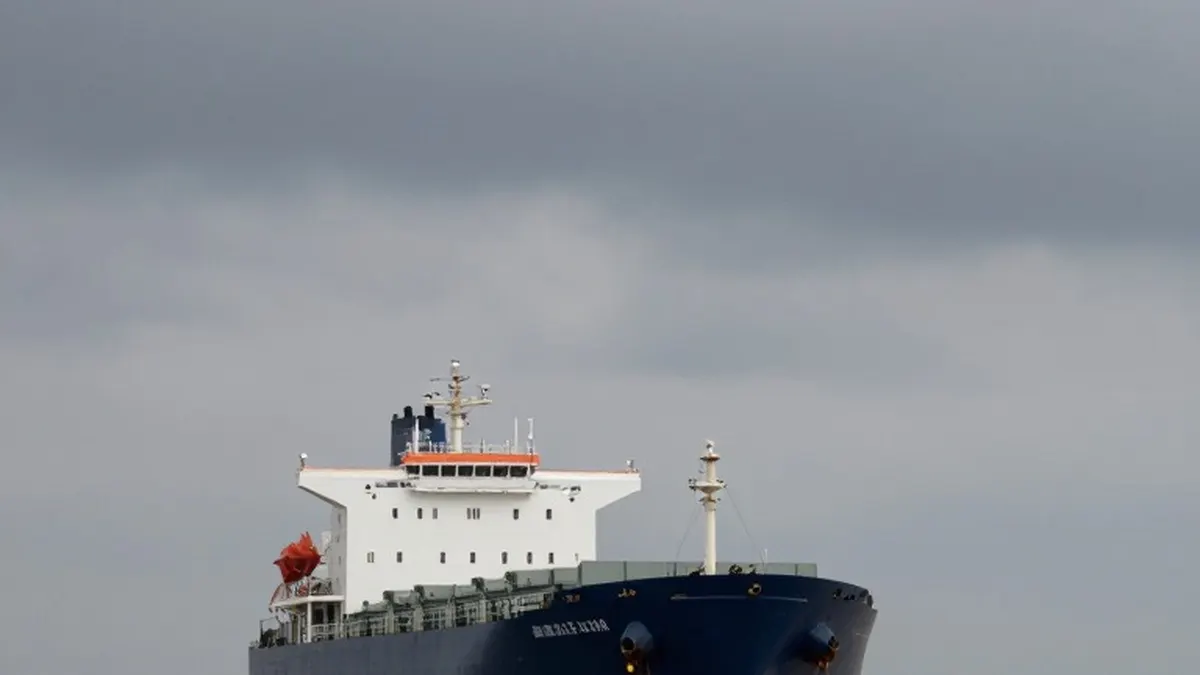
Maritime security in the Middle East has deteriorated significantly, with reported attacks on shipping in and around the Strait of Hormuz reaching their highest levels since the start of the Iran war. According to a report from CNN on Monday morning, which cited maritime data verified by The Jerusalem Post, the frequency of incidents in the region has climbed sharply over the past two months.
Data from the United Kingdom Maritime Trade Operations Centre, an organization affiliated with the Royal Navy, indicates that more than thirty attacks were reported in October. This area includes the Strait of Hormuz, the Persian Gulf, and the Gulf of Oman. This October total represents the highest monthly count since the conflict began in February. As of Sunday, at least twenty-two attacks had already been reported in November, suggesting the trend is continuing.
Experts caution that the official numbers likely understate the true scale of the disruption. The UKMTO only counts incidents that are verified through primary sources. In its weekly overviews for November, the center noted that additional incidents are known but cannot be independently verified. During October, the organization stated it was struggling to accurately report the true number of attacks because the majority of vessels that were attacked refused to report the incidents to the UKMTO.
A significant factor complicating the situation is the number of ships that have gone dark while crossing the strait. These vessels turn off their commercial tracking devices to avoid detection by potential aggressors. This practice makes it difficult for international observers and insurers to track the full extent of the maritime activity and the risks involved in the region.
The increase in attacks coincides with a rise in Iranian aggression as the United States applies economic pressure. Ships in the area have been attempting to bypass efforts by both Iran and the US to block the strait. The Jerusalem Post reported earlier this month that Iran has become increasingly aggressive in targeting vessels within the Persian Gulf and the Strait of Hormuz.
A US official told The Post that the nature of the threats has changed, noting that Iran has started using anti-ship cruise missiles. The official described these weapons as far more lethal than the drones previously used in the region, highlighting a shift in tactical capabilities and risks for commercial shipping.
Economic factors are also driving the conflict dynamics. Iran is feeling the effects of the US blockade, which continues to stop the country from exporting its oil. According to Kpler, a maritime data tracking service, Iran's oil on water outside the blockade zone hit zero in October following its last delivery to China.
The financial impact on Tehran is expected to grow in the coming weeks. Kpler estimated that by mid-December, Iran's oil revenues could drop to zero. This potential cessation of income underscores the severity of the blockade and the ongoing struggle for control over critical shipping lanes.
The situation remains fluid as both sides maneuver to assert dominance in the waterway. The combination of increased missile usage, unreported incidents, and ships turning off their trackers creates a complex environment for international trade. The UKMTO continues to monitor the situation closely, though the gap between verified reports and actual incidents remains a significant challenge.
Amichai Stein contributed to this report, providing context on the evolving maritime landscape and the strategic implications of the recent surge in attacks.