Tortured by an Iran-backed militia, Iraqi environmentalist Jassim al-Asadi refuses to abandon the marshes
Kidnapped, beaten and accused of spying for Israel, the co-founder of Nature Iraq is back monitoring water levels as winter rains revive the Middle East's largest wetlands.
By Harper Foster ·
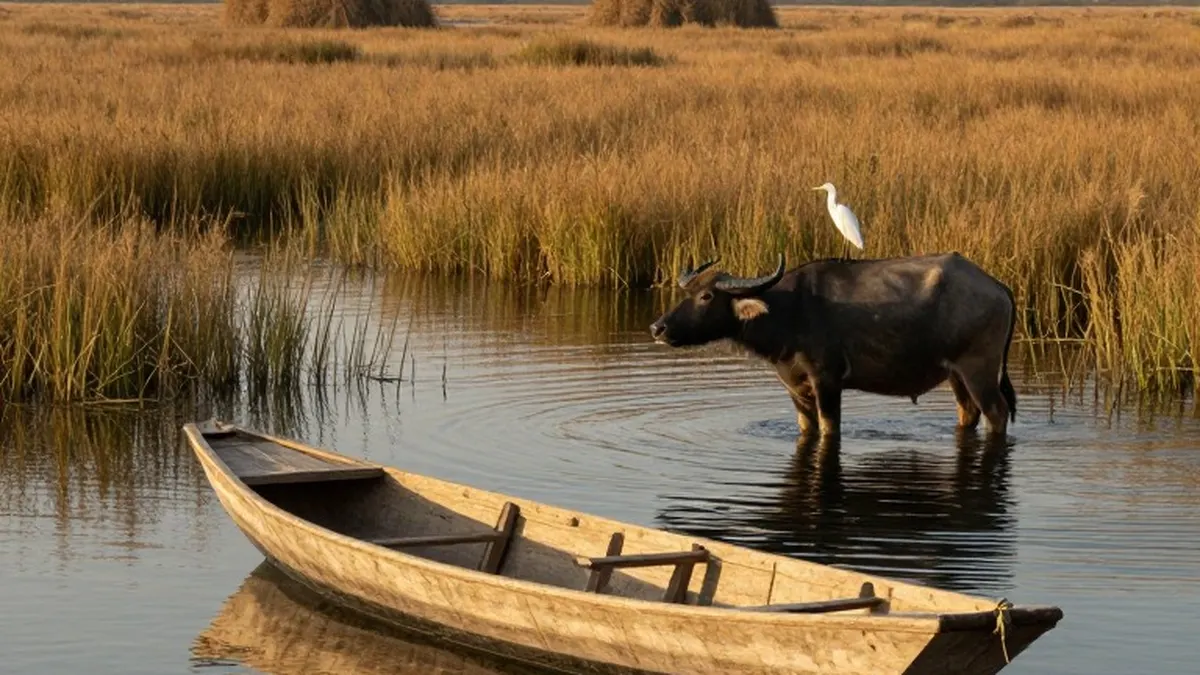
From his long, narrow boat gliding through the Central Marshes of southern Iraq, Jassim al-Asadi still greets every wildlife sighting with the excitement of a first encounter, pointing out a white egret perched on a water buffalo's back and kingfishers flashing blue among the reeds. His enthusiasm belies what he has endured: kidnapping, torture and accusations by an Iran-backed militia that he was an Israeli agent.
Asadi, 69, is one of Iraq's most prominent environmental figures. After Saddam Hussein drained the marshes in the 1990s to punish a Shiite uprising, Asadi and Iraqi-American engineer Azzam Alwash helped residents breach the earthen embankments holding back the Tigris and Euphrates following the 2003 U.S.-led invasion, letting the water flood back in. The two founded Nature Iraq in 2004 and later helped win the marshlands recognition as a UNESCO world heritage site in 2016.
In February 2023, gunmen in pickup trucks and SUVs cut off Asadi's car as he drove home to Chibayish from Baghdad, where he had met the Iraqi president about aid for destitute marsh families. His captors blindfolded him and held him for two weeks, beating him, suffocating him with a plastic bag, plunging his head underwater and running electric shocks through his body while demanding he confess to running a spy network. "When the oxygen ran out I felt like I was going to die," he says.
Asadi says poetry helped him survive. A poet himself since age 13, he recited memorized verses to himself in his cell, returning hundreds of times to In Those Days by Saadi Youssef, an Iraqi poet jailed decades ago before going into exile. Imagining himself as the prisoner in Youssef's poem brought him comfort, he says.
When his masked captors finally gave him an hour to sign a confession or write his will, Asadi chose the will. "I wrote that I love Iraq very much. That I have not done anything wrong, not to Iraq, not to anyone else," he says. Instead of killing him, the militia dumped him by a roadside in Baghdad near where his family waited. Alwash says the kidnappers' vehicle was identified within hours thanks to a license plate memorized by Asadi's cousin, but it was ultimately the Bani Asad tribe, mobilizing some 400 armed fighters, that secured his release. As part of the deal, Asadi did not pursue the case in court.
Offered asylum in Europe after his release, Asadi refused, saying that leaving was exactly what his captors wanted. Instead he arranged asylum for two of his children, now in Sweden, while a third lives in the United States. Alwash, told by the intelligence services of three countries that he too was at risk, has not returned to Iraq since. He says Iranian suspicions about Nature Iraq date to 2016, when the group began a Persian leopard project with Iranian conservationists; two years later Iran arrested nine of them on espionage accusations, and the Iranian-Canadian co-founder of the Persian Wildlife Heritage Foundation died in detention.
The pressure has taken a toll. After undisclosed allegations of misusing public funds in 2018, Iraqi prosecutors froze Nature Iraq's bank accounts, and although the investigation was dropped four years later for lack of evidence, a staff that once numbered 94 shrank to just four members working without pay. "After the kidnapping people were like: 'Why are you working with Jassim? It's dangerous,'" says Muntadher Abedali, a 21-year-old volunteer who taught himself English and vows to stay. "Why should I feel afraid? We are the next generation to protect nature."
The marshes themselves are also fighting back. Five years of devastating drought dried out stretches of the wetlands, left remaining water brackish and killed water buffalo, driving herders toward southern cities. After rains last winter, Asadi says water levels have risen by more than a third, and residents are returning to the floating islands where life has changed little since Sumerian times more than 4,000 years ago. Nature Iraq has built floating islands for buffalo breeders, reed guest houses for tourists and a reed-filled pond that naturally filters sewage-contaminated water, though Asadi says the group is still waiting on a government decision to fund two more needed near Chibayish.
Asadi, born in a boat in the marshes when his mother went into labor early while gathering reeds, says he never imagined he was in danger because Nature Iraq is purely environmental. On a recent day, traveling by mashouf, the same slender boat design depicted in Sumerian art, he asked everyone he met the same question: "How is the water?"
More News · National news · Report a business · Got a Story?