ICC Judge Kimberly Prost Navigates Daily Life Under US Sanctions
The US judge describes how financial penalties and asset freezes are disrupting her personal life and the operations of the International Criminal Court.
By Harper Foster ·
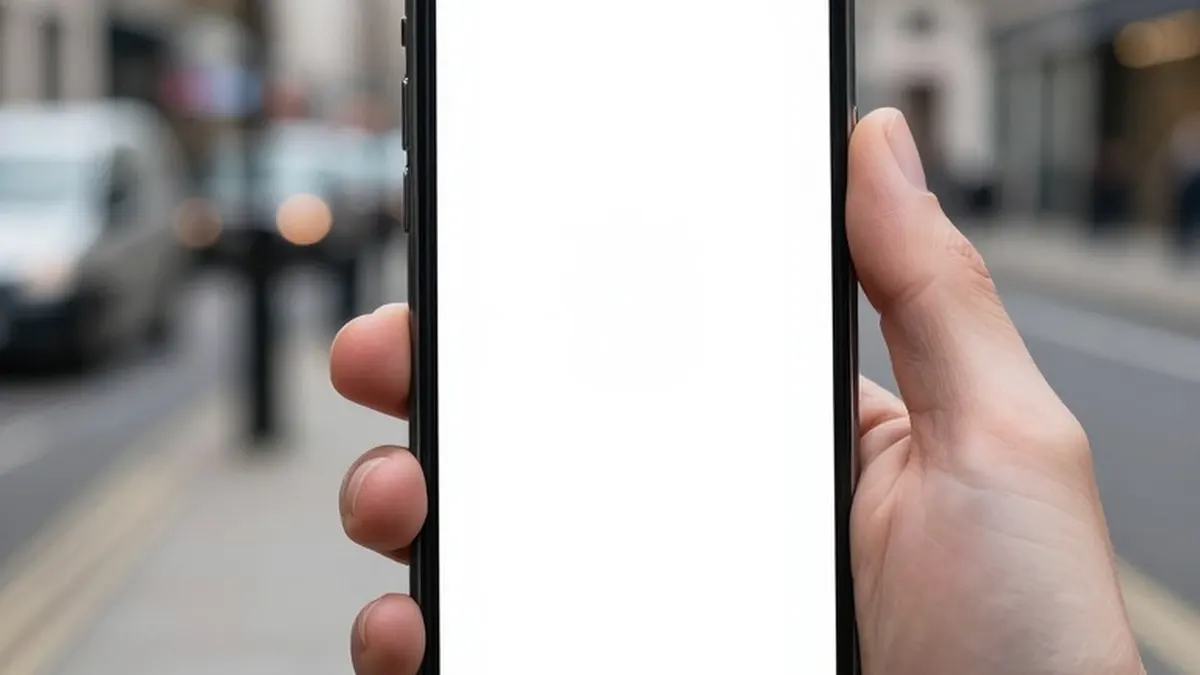
Canadian jurist Kimberly Prost recently found herself unable to access Google Maps while walking through London. The failure of the app was not due to a lack of internet connection but rather the direct impact of United States sanctions. These measures were imposed on Prost and other judges of the International Criminal Court, illustrating how the penalties have begun to affect the daily routines of those targeted.
The sanctions stem from an executive order signed by US President Donald Trump in February 2025. The order authorized the administration to apply financial penalties, freeze assets, and restrict visas for individuals assisting the ICC. Throughout 2025 and into 2026, Washington has targeted specific judges, including Prost, as well as other figures like Francesca Albanese, the UN Special Rapporteur for the Occupied Palestinian Territories. The measures also target the ICC as an institution.
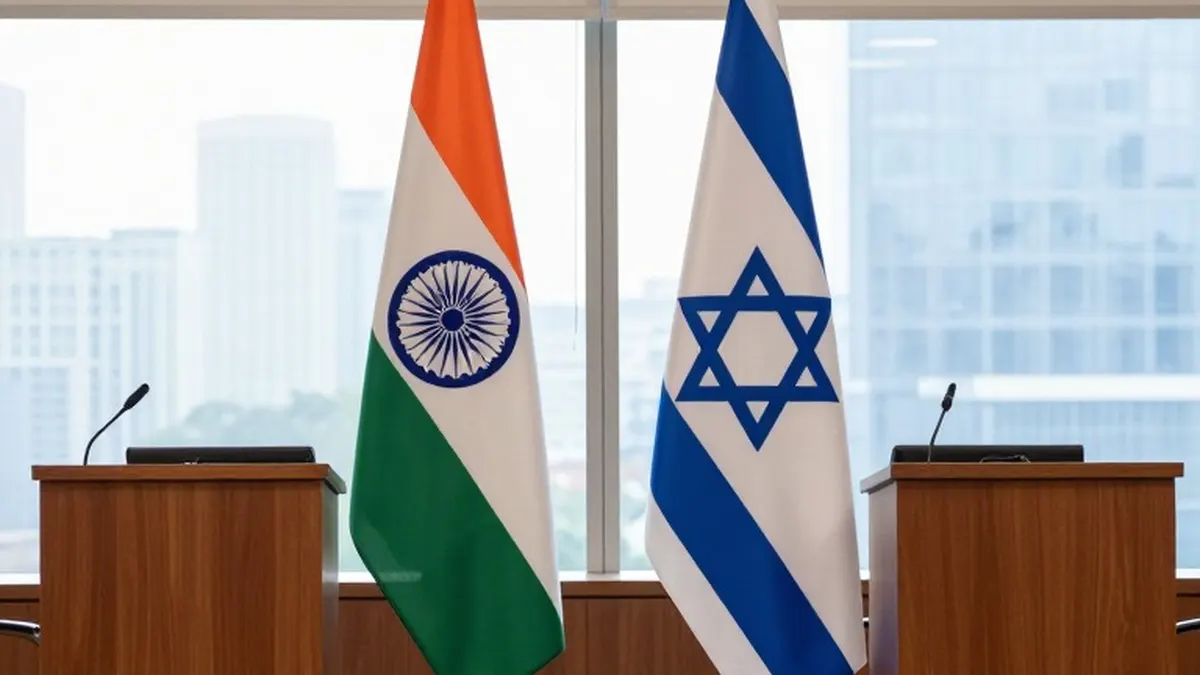
Many observers view these actions as an effort to weaken the court. This is in response to the ICC's attempts to hold US soldiers accountable for alleged war crimes and to prosecute leaders of Israel for crimes in Gaza. Last week, President Trump held a trilateral meeting with the leaders of China and Russia, seeking their support to pressure the court further. He has referred to the ICC as a rogue globalist organization, intensifying the diplomatic standoff.
Prost was present during the drafting of the Rome Statute, which established the ICC in 2002. She has served as a judge on the bench that has tried dozens of individuals for war crimes and genocide. However, recent investigations into the US and Israel have led both nations to claim the court lacks jurisdiction because they are not signatories to the treaty. US Secretary of State Marco Rubio has argued that the ICC is politicized and infringes on the sovereignty of the US and its allies.
Despite these objections, Prost notes that the investigations concern crimes committed in states that are parties to the Rome Statute, such as Palestine and Afghanistan. While 125 states are parties to the treaty, major powers like the US, China, Russia, India, and Israel are not. In his second term, President Trump has expanded the US fight against the court. In July, Secretary of State Rubio stated that the administration aims to dismantle the ICC, brick by brick if necessary.
Living under sanctions has forced Prost to adapt to significant financial hurdles. She described the anxiety of transferring funds, wondering if transactions would succeed or if she would need to avoid using credit cards. In the United Kingdom, she experienced over-compliance by Western companies that froze her funds during transfers. She cited an instance where a wedding gift sent in euros from the Netherlands to the UK in pounds was blocked due to the US presidential order.
The ICC is currently navigating a six-month grace period before some sanctions are fully implemented. The court faces the prospect of frozen assets, travel bans, and suspended telecommunications and enterprise software. To mitigate these risks, the institution has begun moving away from US-based banking and technology systems. However, Prost admits that limitations remain, as private companies and governments often over-comply to avoid US displeasure.
The specific sanctions against Prost followed her role in a 2020 decision to authorize the ICC's investigation into US personnel in Afghanistan. That probe initially covered all armed conflict in the country. After a pause, the investigation resumed in 2022, focusing on the Taliban and ISIL, while allegations against US and Afghan soldiers were deprioritized. Arrest warrants were issued against four Taliban leaders, but progress on other allegations was slow.
In August 2025, the US State Department sanctioned Prost. She remains unapologetic, stating she would make the same appeals chamber decision again based on the evidence. Earlier this month, an ICC bench halted investigations into war crimes allegations against the US military, citing a lack of confidence in the prosecution. The prosecutor's office has appealed the decision, raising concerns among human rights groups about political pressure on the court.
Prost noted that sitting judges are speaking out in an unusual move. She believes this blatant attack is intended to prevent the court from issuing decisions that the US administration dislikes. Despite the intimidation tactics, the court remains committed to its work. Prost emphasized that the court must continue to hear cases and serve the victims, as their cause is too important to ignore.