India's Evolving Role in Israel's Strategic Calculus
Eighteen years after the Mumbai attacks, the India-Israel relationship is shifting from a defense trade dynamic to a deeper strategic partnership shaped by mutual industrial resilience and evolving security challenges.
By Lorenzo Marshall ·
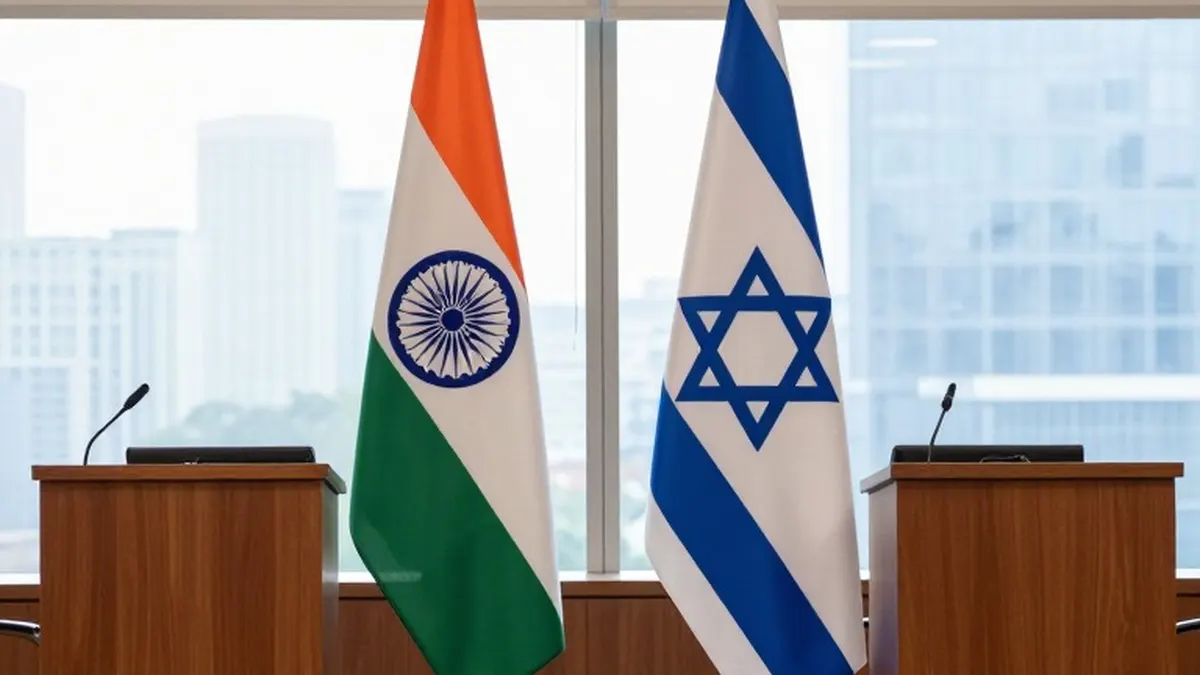
The relationship between India and Israel is undergoing a significant transformation, moving beyond shared memories of terrorism to reflect the distinct strategic changes both nations have experienced since 2008. When Indian Prime Minister Narendra Modi addressed the Knesset in February 2026, he drew a direct parallel between the Mumbai attacks of November 26, 2008, and the events of October 7, 2023. While these references serve as a poignant reminder for Israelis of the Holtzberg family tragedy at the Chabad House, the diplomatic landscape has shifted considerably in the intervening eighteen years.
For decades, the dynamic of the bilateral relationship was largely defined by what Israel could provide to New Delhi, particularly in the realm of security expertise. However, analysts now argue that the value of India to Israel has fundamentally changed. It is no longer just a matter of bilateral cooperation expanding, but rather a recognition of what India’s own evolving security posture brings to Israel’s national interests. This shift requires a reevaluation of how Indian experiences in counterterrorism and defense inform Israeli strategy.
The Mumbai attacks highlighted critical weaknesses in India’s national security architecture, leading to reforms such as the creation of the National Investigation Agency. In February 2026, India further solidified its approach by publishing PRAHAAR, its first comprehensive national counterterrorism policy. This strategy addresses modern threats including terrorist financing, cybersecurity, and emerging technologies. For Israel, India’s institutional adaptation offers a valuable comparative perspective, particularly regarding the gap between intelligence capabilities and strategic warning, a challenge that became painfully familiar after October 7.
A key area of strategic interest for Israel is India’s confrontation with Pakistan, specifically Operation Sindoor in May 2025 following the Pahalgam attack. This military response demonstrated India’s willingness to manage escalation between nuclear-armed states. From an Israeli viewpoint, the significance of this conflict extends to China, which supplied 80 percent of Pakistan’s major conventional arms imports between 2021 and 2025, according to the Stockholm International Peace Research Institute. This high level of Chinese military influence in India’s neighborhood provides Israel with insights into the evolution of modern warfare, including air defense and electronic systems, without the two nations necessarily sharing the same geopolitical adversaries.
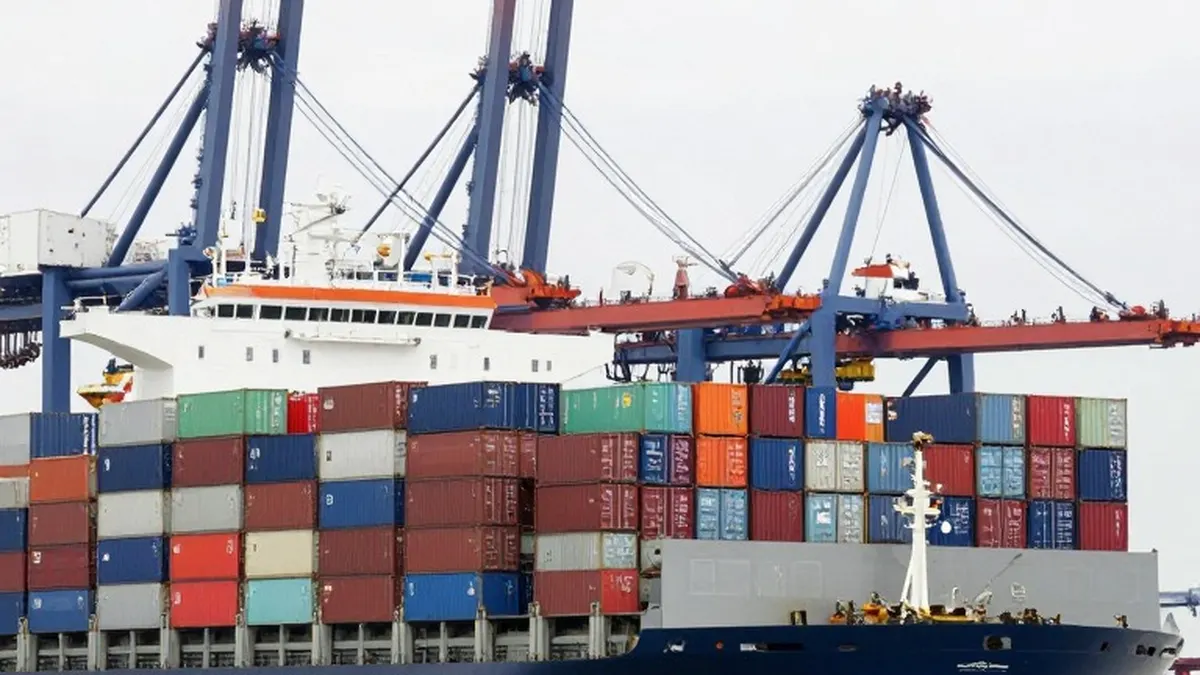
The defense relationship is also shifting from simple arms sales to mutual industrial resilience. India’s push for self-reliance under the Atmanirbhar Bharat initiative is often viewed as a challenge to foreign suppliers, but it creates opportunities for cooperation. Israel, having learned the importance of securing supply chains during prolonged conflicts, can benefit from India’s expanding manufacturing capacity and engineering expertise. This partnership aims to diversify Israel’s defense sector, moving beyond traditional transactions toward joint development, as seen in the Barak-8 air defense program.
Recent diplomatic milestones, including the defense cooperation memorandum signed in November 2025 and the elevation of ties to a Special Strategic Partnership in February 2026, signal this deepening engagement. New mechanisms for joint strategic foresight and a planned cybersecurity center of excellence in India indicate that the partnership is preparing for future crises. These initiatives suggest a move toward identifying emerging risks rather than merely addressing existing ones, though their success will depend on effective implementation.
Understanding India’s strategic autonomy is crucial for Israel. New Delhi maintains complex relationships with Iran, Russia, and the Gulf states, which do not always align with Israeli interests. This is not an anomaly but a core part of Indian foreign policy. India’s ability to maintain connections across geopolitical divides, particularly in the Indo-Pacific and the Global South, offers Israel unique diplomatic access. The maritime dimension is also increasingly relevant, as India’s growing capabilities in the Indian Ocean provide strategic significance for Israel’s economic security, especially in the context of disruptions in the Red Sea.
Ultimately, the maturity of the India-Israel relationship will be measured by the ability to sustain cooperation despite differing geopolitical priorities. India is not seeking to replace Israel’s traditional partners, but rather to offer additional avenues for technological and industrial collaboration. As both nations have evolved their security requirements, the partnership must rest on more than shared tragedy. Recognizing India as an independent strategic actor with its own distinct interests and vulnerabilities is essential for the future of the alliance.