Experts say skip the dishwasher for wood
Cleaning pros advise handwashing wooden spoons and cutting boards to prevent warping and cracking, then conditioning them with food-safe mineral oil.
By Lorenzo Marshall ·
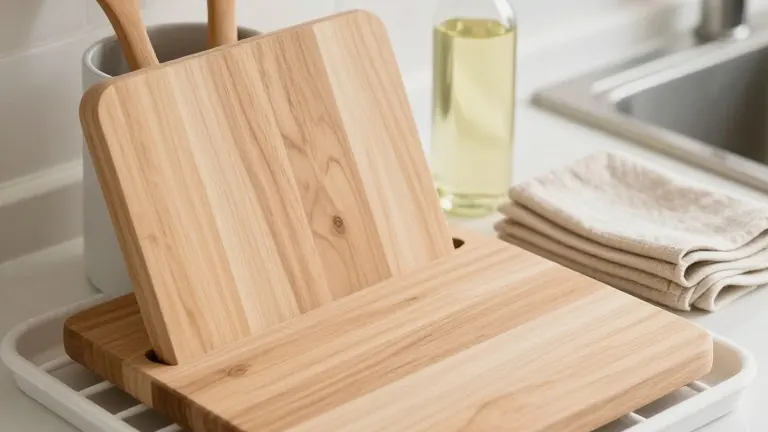
Cleaning experts advise against placing wooden kitchen utensils in dishwashers, even when labels indicate they are safe for the machine. Robin Murphy, chief cleaning officer at Maid Brigade, and Kadi Dulude, owner of Wizard of Homes, both warn that the high heat and humidity inside dishwashers cause wood to warp or split. Murphy notes that water expands as it dries, which leads to cracking and splintering in wooden spoons, spatulas, and cutting boards.
The recommendation to handwash these items stems from the material's sensitivity to prolonged exposure to hot, moist environments. Dulude states that while some utensils may survive a dishwasher cycle, handwashing significantly prolongs their life. This guidance aligns with standard care for wooden surfaces, which require gentle handling to maintain structural integrity and prevent food from becoming trapped in expanding cracks.
Experts recommend a specific routine for daily maintenance. After use, rinse the item immediately with warm water to remove residue. Murphy suggests washing with mild dish soap and a sponge or soft brush, paying close attention to grooves and joints where food tends to hide. She advises rinsing well and drying the item with a clean towel. Dulude adds that items should air-dry completely before storage to prevent mold and mildew growth.
Drying is as critical as washing. Both experts caution against laying wooden utensils flat on wet cloths or in areas with poor air circulation. Instead, they recommend placing items on a drying rack or standing them upright so all surfaces are exposed to air. This method allows the wood to dry rapidly, reducing the risk of moisture absorption that leads to warping.
For utensils that appear dry or faded, conditioning is necessary. Murphy and Dulude recommend applying food-grade mineral oil to the surface. This process is similar to seasoning cast-iron skillets and helps restore moisture without making the food taste oily. They advise against using vegetable or olive oil, which can become rancid over time. The oil should be rubbed into the dry wood with a cloth and allowed to absorb fully before the next use.
Replacement is required when deep cracks appear in the wood. Dulude explains that deep fissures allow food and moisture to get trapped, which can contaminate future meals. Minor roughness can often be fixed by lightly sanding the surface and reapplying mineral oil. However, once the damage is deep, the utensil should be retired from service to ensure hygiene and safety in the kitchen.
Source: NBC News