EU draft hits boxing chief and Kyrgyz crypto hubs
The 22nd sanctions package lists 82 targets, including a visa ban for Umar Kremlev and a freeze on new energy deals in Russia.
By Aiko Petrov ·
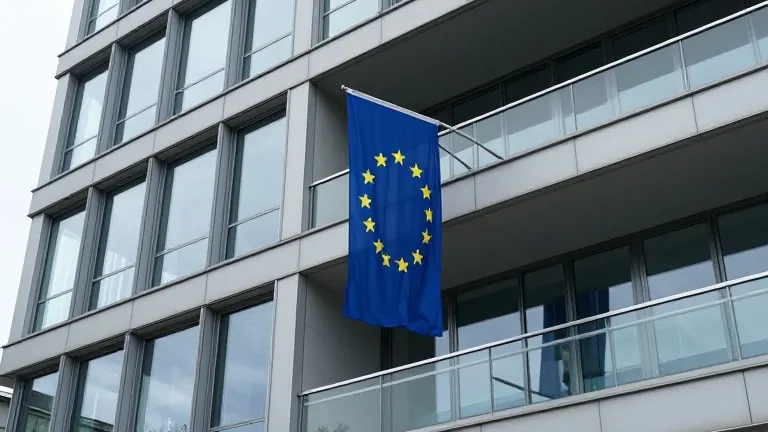
The European Union’s draft 22nd sanctions package proposes a visa ban and asset freeze for Umar Kremlev, the head of the International Boxing Association. The measure marks the latest step in Brussels’s effort to pressure Russia’s war machine, with the document listing 82 people and entities for inclusion in the bloc’s sanctions regime.
The proposal targets specific sectors, including energy and the military-industrial complex, but places a distinct emphasis on sport. It would prohibit the display of official Russian symbols at competitions within the Union. The draft also bans Russian citizens from holding posts on governing bodies of international or national sports federations in the EU. Additionally, it prevents sports clubs and cultural associations in the bloc from receiving funds from the Russian state or its proxies.
Kremlev is described in the documents as a Russian oligarch with interests in JSC Rolf, identified as the country’s largest car dealership group. The EU notes that Rolf heavily services the Russian government. The documents state that Kremlev has supported policies that threaten Ukraine’s territorial integrity. In September, US media reported that he funded Donald Trump Jr.’s post-wedding festivities in the Bahamas, a payment that Trump later said had been repaid.
The draft also names Artyom Gromov, head of the Russian Army’s Central Sports Club, or CSKA. The documents state that CSKA has organized the shipment of humanitarian aid to occupied Ukrainian territories. It has also held sports competitions in those areas. Another notable addition is Sofrino, a manufacturing firm controlled by the Moscow Patriarchate. The text says the company produced religious items and field worship kits for Russian military personnel.
Energy measures in the package would extend the current EU import ban on petroleum products to include fuel oil and vacuum gas oil. The draft forbids EU companies from building or running liquefied natural gas facilities, crude oil refineries, or electricity production in Russia. It also targets 70 new vessels deemed part of the Russian shadow fleet, which brings the total number of blacklisted ships to over 700.
The package proposes an EU-wide ban for current and former Russian soldiers who fought in Ukraine. It requires European consulates in Russia to request documentation, including military handbooks, from citizens applying for Schengen visas. This follows complaints from member states like France, Greece, Italy, and Spain regarding short-term tourist visas. The draft also suggests mirroring Russia’s recent notification requirements for EU diplomats crossing Russian borders.
The sanctions reach beyond Russia to countries perceived as aiding the war effort. The list includes two Turkish fuel distribution companies, Opet Petrolculuk and Akpet Akaryakit. EU companies are barred from doing business with several firms in India, Serbia, Thailand, Turkey, and the United Arab Emirates. A major provision targets Kyrgyzstan, where the proposal suggests a blanket ban on transactions with local crypto platforms. The text notes that public reports indicate Kyrgyzstan has become an international hub for circumventing EU restrictive measures.