UK and EU Prepare to Sign Trade and Mobility Agreements at Brussels Summit
Prime Minister Andy Burnham and EU leaders are set to finalize deals on food exports, energy, and youth mobility, marking a constructive new phase in post-Brexit relations.
By Aiko Petrov ·
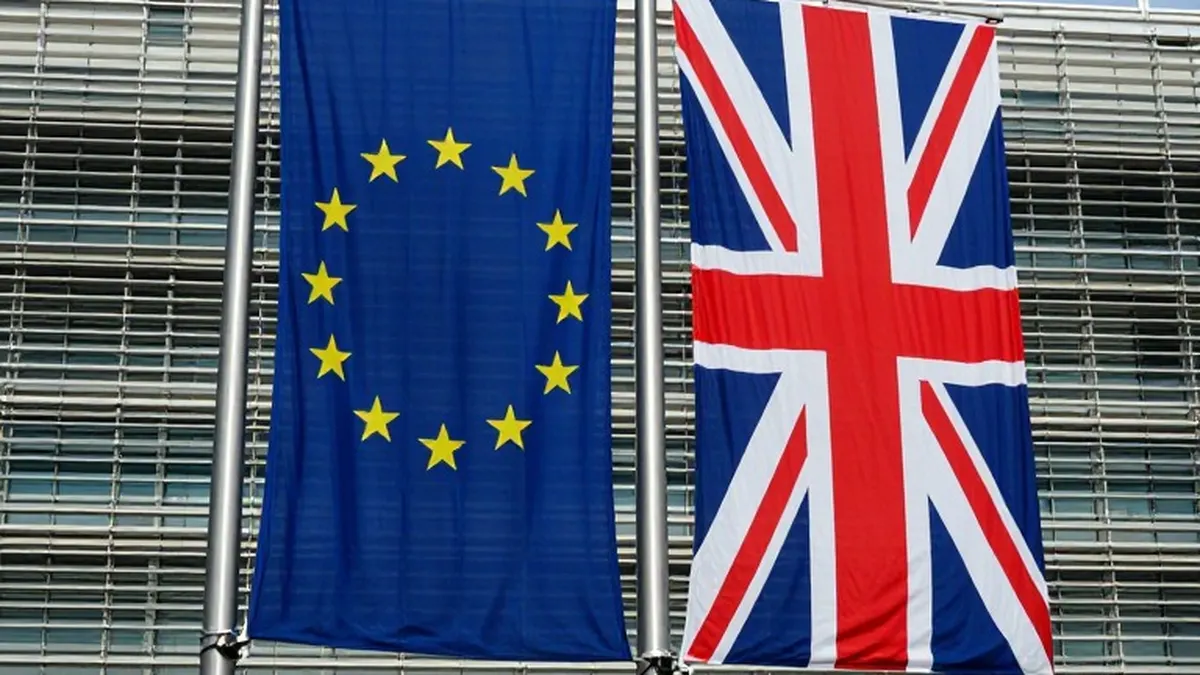
The United Kingdom and the European Union are expected to conclude new agreements on trade, energy, and youth mobility during a summit in Brussels on Friday. This diplomatic milestone represents a significant step in Prime Minister Andy Burnham's broader strategy to reset relations with the bloc following the UK's departure from the union. Burnham, who has publicly expressed a hope for Britain to rejoin the EU within his lifetime, views these specific deals as essential for repairing some of the economic and social damage caused by Brexit.
Since assuming office in the summer, Burnham has challenged long-standing taboos in British politics regarding Europe. While he has floated the idea of future reintegration, the current summit with EU Commission President Ursula von der Leyen and Council President Antonio Costa focuses on more immediate, manageable steps. The prime minister intends to reserve larger strategic decisions for later discussions, aiming to build momentum without overwhelming the process.
Three primary agreements are on the table for signature. The first will reduce regulatory burdens for British food exports to Europe. The second will link the emissions trading schemes of both sides, creating a more integrated approach to climate policy. The third establishes a youth experience scheme, allowing under-30s from both regions to live in each other's territories for up to three years for work, study, or travel purposes.
Burnham stated this week that the summit illustrates a new, non-adversarial approach to European relations. He emphasized the goal of delivering a win-win outcome for both Britain and the EU, noting that a discussion on long-term relationship options would begin immediately after the summit concludes. Although these initiatives were in the pipeline before his arrival at Downing Street, their completion signals a tangible shift in diplomatic posture.
Despite the improved atmosphere, negotiations remained intense until the final hours. EU member states approved the deal package late on Thursday, though final UK sign-off was still pending. A major point of contention involved securing a commitment from London to reduce fees for EU students at UK universities to match those paid by British students. Maros Sefcovic, the EU's chief negotiator, described the mood as very positive despite the detailed and difficult nature of the talks.
Burnham's strategy is influenced by recent polling data showing that a majority of Britons regret Brexit and would vote to rejoin if given the chance. The move also reflects the UK's weakened economy and the changed geopolitical landscape since 2016, particularly Europe's support for Ukraine against Russian aggression. By fostering closer ties, Burnham hopes to build a broad center-left coalition to secure victory in the next general election, which is not expected until 2029.
However, the approach carries political risks. The Labour party remains divided on how far to move toward the EU, and the opposition Conservatives and Reform UK are likely to accuse the government of betraying the Brexit vote. Nigel Farage is scheduled to hold a press conference in Brussels on Friday. Burnham has maintained Keir Starmer's red lines for the current parliament, ruling out an immediate return to the single market, customs union, or free movement.
Within the Labour party, calls to go further are growing, with former deputy prime minister David Lammy urging that EU rejoining be included in the next election manifesto. In Brussels, however, senior diplomats remain cautious about the pace of change. One official suggested that Burnham is likely to continue improving ties through incremental steps rather than taking a dramatic step that could prove politically radioactive. The EU has indicated it is open to the closest possible relationship with the UK.