Moyale fighting disrupts trade as Ethiopia border dispute remains unresolved
Clashes involving regional police and militias have restricted movement, damaged livelihoods and driven residents into Kenya as mediation efforts fail to secure a lasting settlement.
By Lorenzo Marshall ·
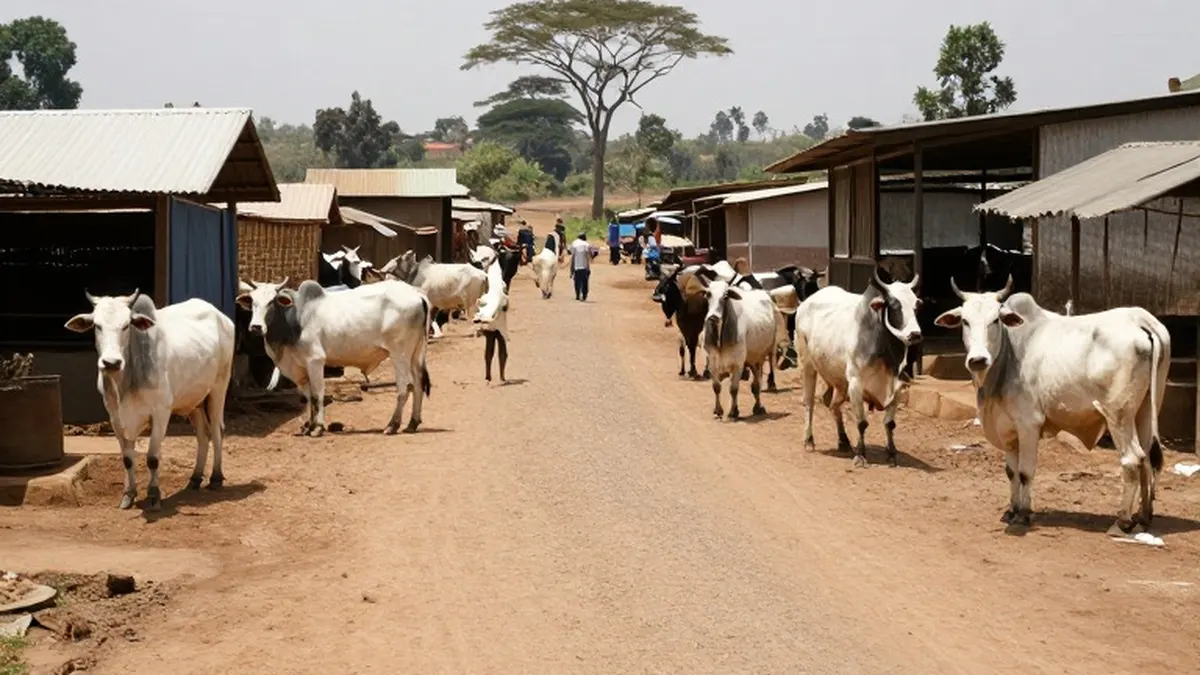
Fighting linked to a territorial dispute between Ethiopia’s Oromia and Somali regional administrations has disrupted livelihoods in the southern Borana Zone. Violence that intensified in Moyale in October has extended to parts of Arero and Wachile districts, affecting transport, businesses and the livestock trade, an important income source for rural communities.
A Moyale resident, speaking anonymously to Al Jazeera because of security concerns, described persistent fear and gunfire, particularly at night. The resident said violence had limited movement and complicated ordinary activities. Livestock producers, businesses and transport operators were affected, with residents unsure when normal life could resume.
The Armed Conflict Location and Event Data organisation, ACLED, traced the latest escalation to October 18. Somali regional police fought ethnic Oromo militia members after a Somali administration office opened and its flag was raised in a disputed part of Moyale. ACLED analyst Jalale Getachew Birru reported that a 13-year-old Oromo girl died. Accounts differed over whether she was caught in crossfire or killed after trying to remove the flag.
Ethiopian National Defence Force personnel stopped the initial confrontation, according to ACLED. The next day, Oromo demonstrators protesting the office and the girl’s death blocked the main road, forcing businesses to shut. Elders and security officials subsequently agreed to remove the flag and suspend the opening. Somali residents protested that arrangement on October 20, again blocking the road and interrupting transport.
On October 22, Somali regional police clashed with Oromia regional police and Oromo militia members at several Moyale locations, ACLED reported. Oromo and Somali militias also fought in parts of Arero and Wachile. A security official familiar with conditions told Al Jazeera that clashes continued and negotiations between the administrations had failed. He called for immediate, direct federal involvement.
The displacement has brought concern from neighbouring Kenya. On November 9, Prime Cabinet Secretary Musalia Mudavadi said he had contacted his Ethiopian counterpart and urged Addis Ababa to restore stability so those who fled could return. Kenya’s The Star newspaper reported that Mudavadi put the number who had crossed into Kenya at approximately 40,000. He said Ethiopia had pledged to work towards normality.
Separately, UNHCR said on October 28 that local authorities estimated up to 50,000 people had entered Kenya since October 22 to escape the fighting. Registration and verification were continuing, making that estimate provisional. Many arrivals were women and children. The agency identified urgent needs for food, drinking water, emergency shelter, sanitation and healthcare.
The conflict has longstanding roots in disagreements over boundaries, political representation, land and natural resources. Ethiopia’s National Election Board said a referendum held on October 24, 2004, sought to determine administrative control over 463 small communities along the regional border. However, Boku Tache’s 2008 doctoral research at the Norwegian University of Life Sciences found that voting took place in Liban and parts of Arero, while Moyale’s status remained unresolved.
Political and security analyst Cameron Hudson, a former US National Security Council director for African affairs, told Al Jazeera that the crisis exposed broader difficulties in Ethiopia’s federal system. He said federal forces faced security demands elsewhere and noted a perception among Somali communities that Prime Minister Abiy Ahmed and his Prosperity Party favour the Oromo, Abiy’s ethnic group.
Hudson linked unsuccessful mediation to the unresolved territorial dispute and said successive governments had responded to outbreaks of violence without adequately engaging communities on underlying causes. For affected residents, restoring security and livelihoods remains the immediate priority, while a lasting agreement between the regional administrations remains elusive.