Ukraine Air Defence Intercepts Majority of Large Scale Russian Drone and Missile Attack
Ukrainian forces downed three missiles and over 200 drones in a combined Russian strike that resulted in impacts at 44 locations.
By Harper Foster ·
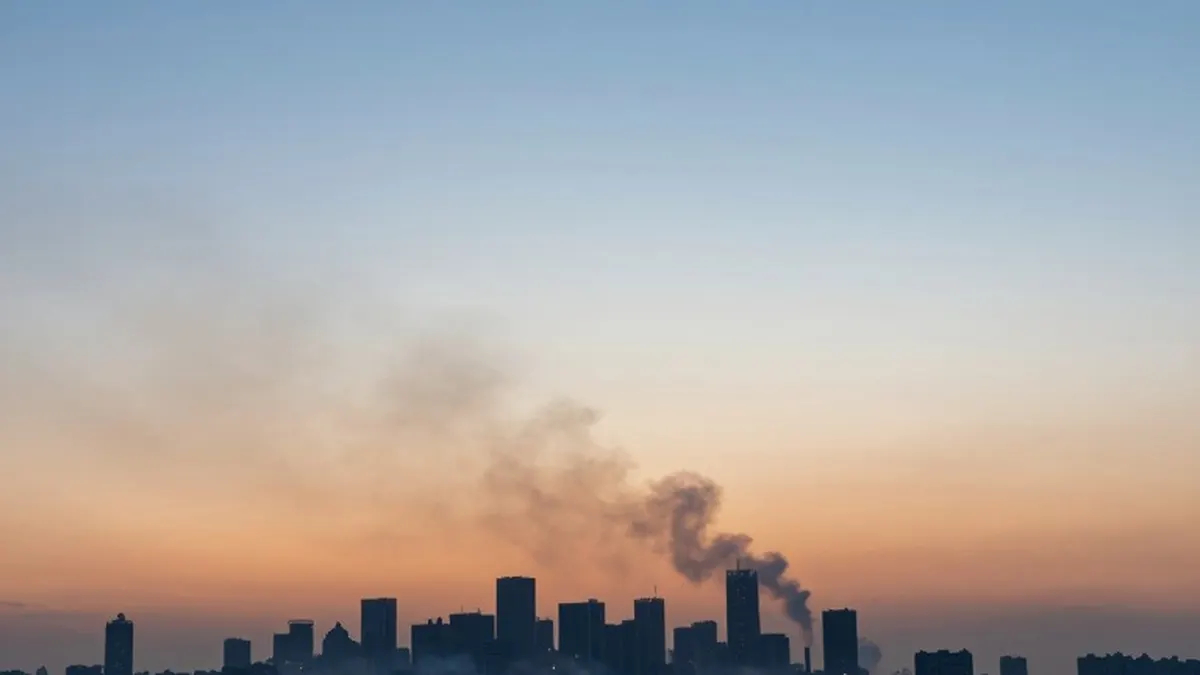
Russia launched a massive combined aerial assault on Ukraine on 17 November, deploying a mix of ballistic missiles, cruise missiles, and hundreds of unmanned aerial vehicles. The attack began in the late hours of 16 November and continued into the morning of the 17th, with the first wave of weapons detected starting at 18:00.
According to data released by the Ukrainian Air Force on social media, the initial Russian wave included Iskander-M, Zircon, and S-400 ballistic missiles. The aggressors also fired Iskander-K cruise missiles and Kh-59/Kh-69 air-to-surface missiles. In addition to these heavier munitions, Russia deployed 306 strike UAVs. This group included 92 jet-powered Shahed type drones, along with Gerbera, S8000 Banderol/Dan-T munitions, and Parodiya-type decoy drones.
Ukrainian defense forces mobilized a wide range of assets to counter the incursion. Aviation units, anti-aircraft missile troops, and electronic warfare teams worked alongside mobile fire groups and unmanned systems units to repel the attack. The coordinated effort aimed to intercept incoming threats before they could reach critical infrastructure or populated areas.
As of 12:00 on 17 November, air defense forces had successfully brought down three Kh-59/Kh-69 air-to-surface missiles. They also intercepted three Banderol/Dan-T drone-launched cruise missiles. The most significant portion of the defense involved the destruction of 205 UAVs of various types, a figure that includes 48 jet-powered models.
Military officials noted that information regarding the status of several cruise missiles and 60 strike UAVs was still being assessed at the time of the report. Despite the high interception rate, impacts from Russian aerial attack weapons were recorded at 44 distinct locations across the country. The Air Force warned that the aerial attack was still ongoing as of the latest updates.
President Volodymyr Zelenskyy provided additional context regarding the strike, reporting that the Russians had specifically targeted key infrastructure in Kyiv during the night of 16 to 17 November. He stated that four ballistic missiles were fired at the Pivdennyi, or South, Bridge. Additionally, three ballistic missiles were directed at the Pivnichnyi, or North, Bridge.
Following the missile impacts on these strategic crossings in the capital, both bridges were temporarily closed to traffic. This closure highlights the continued pressure on vital transport links in the capital city during the ongoing conflict.
The scale of the Russian attack, involving over 300 drones and multiple missile types, underscores the intensity of the aerial warfare. The Ukrainian Air Force's ability to down the majority of the incoming threats demonstrates the effectiveness of their layered defense systems, though the widespread impacts confirm the significant reach of the Russian strike.