Colorado Avalanche Center: Modernizing Accident Reports
Investigators are shifting from dry data lists to structured lessons to help backcountry travelers recognize risk patterns.
By Aiko Petrov ·
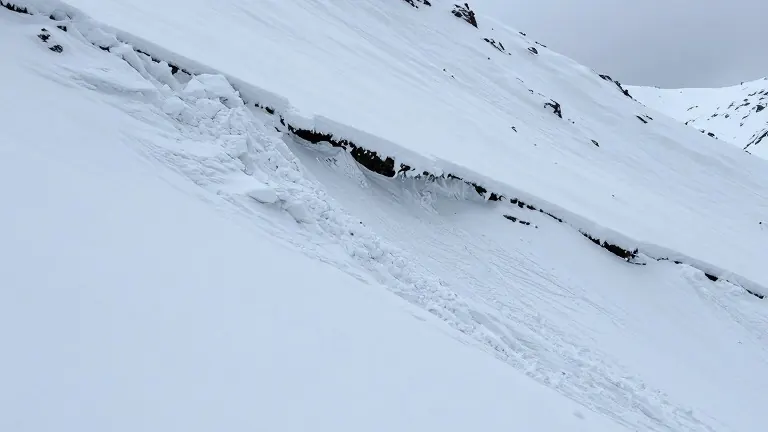
The Colorado Avalanche Information Center begins issuing daily forecasts for the winter season on Sunday. The agency also takes on the task of reconstructing human-involved accidents to identify preventable errors. Deputy Director Brian Lazar oversees this investigative work, which relies on physical evidence and survivor testimony.
Lazar changed his approach to investigations after a 2011 incident on Torreys Peak in the Front Range. A backcountry skier died from traumatic injuries after being caught in a small avalanche. The skier’s family traveled to Colorado from the South to retrieve his gear. Lazar brought his laptop to the family and displayed photographs of the scene. The images allowed the family to visualize the terrain and understand how the accident unfolded.
"I could see how much comfort that brought them," Lazar said. This interaction influenced how the center gathers information. While every report includes standard metrics like crown depth and avalanche dimensions, Lazar found that letting survivors tell their own stories often provided the necessary context. Investigators then fill in the remaining gaps with specific measurements.
The center has evolved its reporting format over five decades. Early reports, found in the American Avalanche Association’s book "The Snowy Torrents," often contained subjective commentary. A 1972 report on the death of skier Meta Burden stated she "knew the dangers involved and ignored them." Lazar noted that modern reports use neutral labels like "skier one" and avoid judging individual decisions unless they offer a clear learning outcome.
Current reports focus on the accumulation of small errors rather than a single major mistake. Investigators examine planning, group dynamics, and environmental conditions. They avoid speculating on why a person made a specific choice unless the evidence supports a concrete lesson. This method helps readers identify how a series of reasonable decisions can combine to create a dangerous situation.
The CAIC digitized its archive, making accident reports from 1951 searchable online. This database allows researchers to track changes in investigative language and methodology. The center continues to use the hotline format for forecasts, a practice it retired about a decade ago. The shift to standardized reporting aims to help backcountry users recognize risk patterns in their own travel.
Source: The Colorado Sun