Citizen Scientists Document Nudibranch Shifts in California Tide Pools
Amateur photographers are using iNaturalist to track how warmer waters are altering species distributions on docks and in intertidal zones.
By Aiko Petrov ·
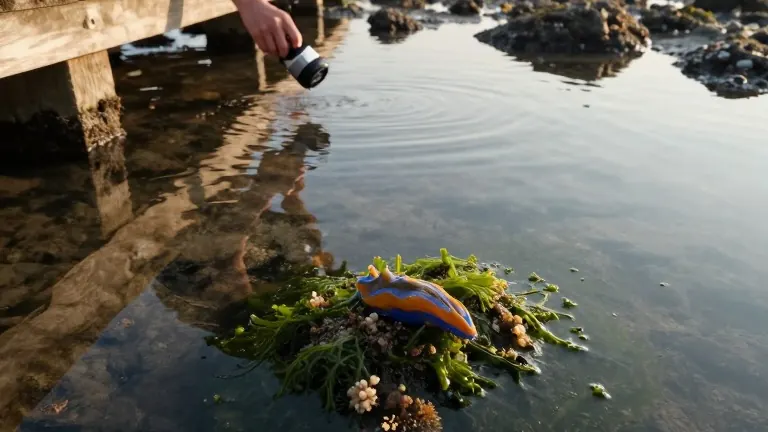
Amateur photographers in San Diego are using high-quality underwater cameras to document subtle shifts in marine ecosystems. Their observations are helping researchers track how warmer water temperatures are altering the distribution of nudibranchs, the colorful sea slugs often mistaken for alien creatures.
Laura Simonato, a cell therapy scientist, has spent the past four years documenting these animals. She recently participated in Doctober, an annual event organized by iNaturalist that encourages participants to log species found on manmade structures like piers and buoys. This year, the global initiative recorded more than 3,000 nudibranch sightings.
Simonato is part of a dedicated group of hobbyists who scour tide pools and docks for hours at a time. They often crouch in shallow basins or hang over the edges of structures to capture images of slugs as small as a fingernail. Their primary goal is to identify species that may be disappearing from or appearing in local areas.
The data collected by these observers provides vital evidence for scientists studying climate change impacts. Terry Gosliner, senior curator of invertebrate zoology at the California Academy of Sciences, noted that many previously unknown species have been identified by ordinary people. He said these community members are providing the evidence needed to understand how El Niño events shift species distributions in real time.
California hosts over 140 different nudibranch species. These animals range from millimeter-sized slugs to specimens the size of a human hand. They possess a variety of appendages and display a wide spectrum of colors, including pink, yellow, and polka-dotted patterns.
The vibrant colors of these slugs serve a biological function. Their hues often contain toxins that act as a warning to predators. Gosliner explained that these chemicals hold potential for developing new medicines. He has discovered nearly half of the known sea slug species and relies on photographs from hobbyists to identify new populations.
Simonato has traveled to Wales and Mexico to find new species. She often spends eight hours a day searching, waking as early as 3 a.m. to observe nocturnal activity. She created a tracking tool called the Tidaldex in 2023, a poster with 143 species stickers. She has sold more than 230 copies since its launch.
The rise of social media has increased public interest in these animals. However, the influx of visitors poses challenges for the fragile intertidal environments. Simonato warned that large crowds during extreme low tides can cause significant impact. She advises visitors to remain patient and avoid touching the creatures to prevent harm.