Army plans Friday lead azide detonation in Iowa
University of Iowa experts warn that wind-borne lead particles from the blast could settle on local surfaces, posing exposure risks to residents, particularly young children.
By Lorenzo Marshall ·
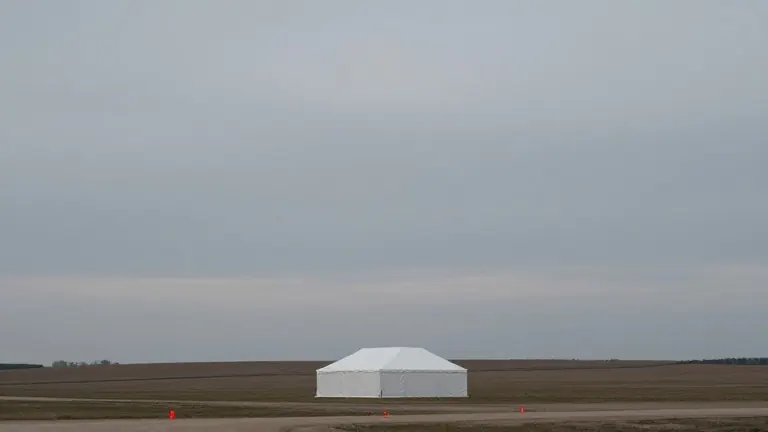
The U.S. Army will detonate a large quantity of lead azide in Middletown, Iowa, on Friday, November 20, 2026. The material is a sensitive explosive and a lead compound. Health officials and researchers say the blast could release lead-containing particles into the atmosphere.
Patrick O’Shaughnessy, a professor of environmental health at the University of Iowa, identified the potential lead plume as a primary concern. He explained that wind can carry these particles over a distance before they settle on soil, buildings, vehicles, and other surfaces. "We inhale things that may get into our bodies; we ingest things, get into our gut. And we have the ability to have a dermal absorption of things that we touch," O’Shaughnessy said.
Lead acts as a neurotoxin that can damage the brain, nervous system, kidneys, and cardiovascular system. Medical experts note that no safe level of lead exposure exists. O’Shaughnessy emphasized that young children face the highest risk due to their behavior. "Maybe the most concerning thing is, say, 2-year-olds that just have this habit of, right, of touching everything and then everything goes right into their mouth, right," he said.
The Army has released a map showing the projected path of the plume. Local officials advise residents to take specific cleanup steps after the detonation. Residents should hose down exterior surfaces, wipe down children’s play equipment, and wash cars to remove any settled dust.
The detonation is scheduled for Friday morning in the Middletown area. The Army expects the blast to be visible and audible from surrounding locations. No other major detonations are currently planned for the region in the coming week.