Apple's iPod Turned 25: The Pocket Revolution That Defined a Generation
Two decades and a half after its debut, the device that fit 1,000 songs into a deck-of-cards-sized package remains a landmark in consumer electronics history.
By Harper Foster ·
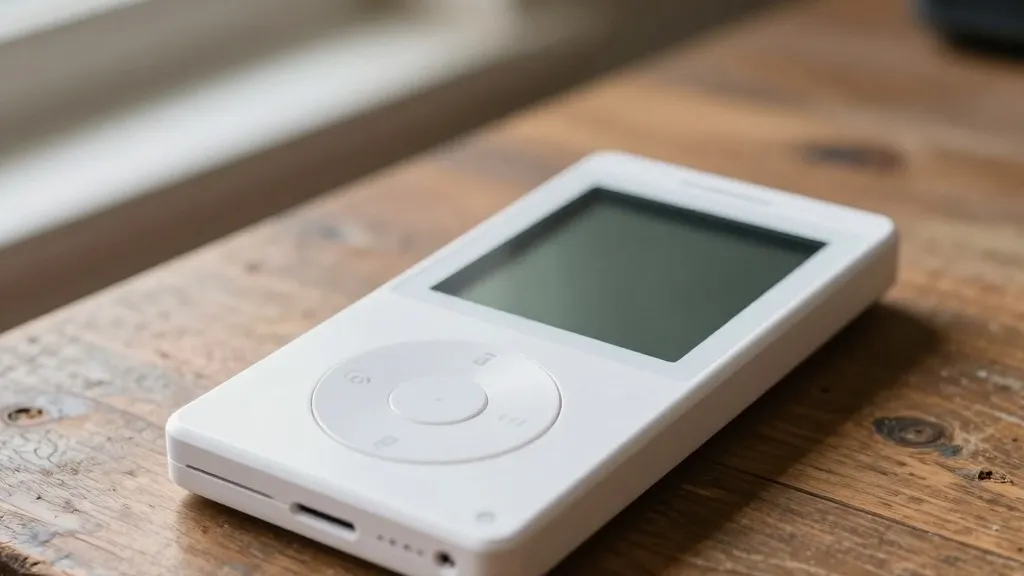
Apple marked a significant anniversary this week as the original iPod reached its 25th birthday. The device, unveiled on October 23, 2001, fundamentally changed how consumers interacted with digital media. At the time of its launch, the pocket-sized player was a radical departure from existing technology, offering a seamless blend of hardware and software that would dominate the personal entertainment landscape for nearly two decades.
The core promise of the initial release was straightforward yet ambitious. Apple positioned the device as a way to carry an entire music collection in one's pocket for $399. The original model featured 5 gigabytes of storage, a capacity that translated to approximately 1,000 standard pop songs encoded at 160 kbps. This specific metric became the defining marketing claim of the product, emphasizing the ability to hold a user's complete library on a single portable unit.
The physical design of the player was a critical component of its success. Measuring 2.4 by 4 by 0.78 inches and weighing just 6.5 ounces, the device was the size of a standard deck of playing cards. This compact form factor was made possible by a 1.8-inch ultra-thin hard drive supplied by Toshiba. Steve Jobs highlighted the portability of the unit, noting it was lighter than most contemporary cell phones while still housing the necessary hardware for high-quality audio playback.
Performance and connectivity were also central to the device's appeal. The player utilized a FireWire 400 connection, which Apple claimed allowed for the transfer of an entire CD's worth of data in as little as five to 10 seconds. This stood in stark contrast to USB connections of the era, which could take up to five minutes for a similar transfer. The device also included a rechargeable lithium-polymer battery that provided 10 hours of continuous playback and could reach 80 percent charge in one hour.
Software integration was the third pillar of the product's strategy. The launch coincided with the release of iTunes 2, which introduced Auto-Sync functionality. This feature ensured that any playlist or library curated on a Mac was automatically synchronized with the player during connection. The interface featured a piezoelectric scroll wheel designed for single-hand operation, allowing users to navigate by artist or playlist with tactile feedback.
While the iPod line eventually faced competition from smartphones, the original model set the standard for the category. The first iPhone did not arrive until early 2007, allowing the iPod to stand alone as the primary portable music device for several years. The product line continued through seven generations of the Touch model, with the final version releasing in May 2019. Apple officially discontinued the entire iPod product line in May 2022, closing the chapter on a device that defined the early 21st-century audio experience.